

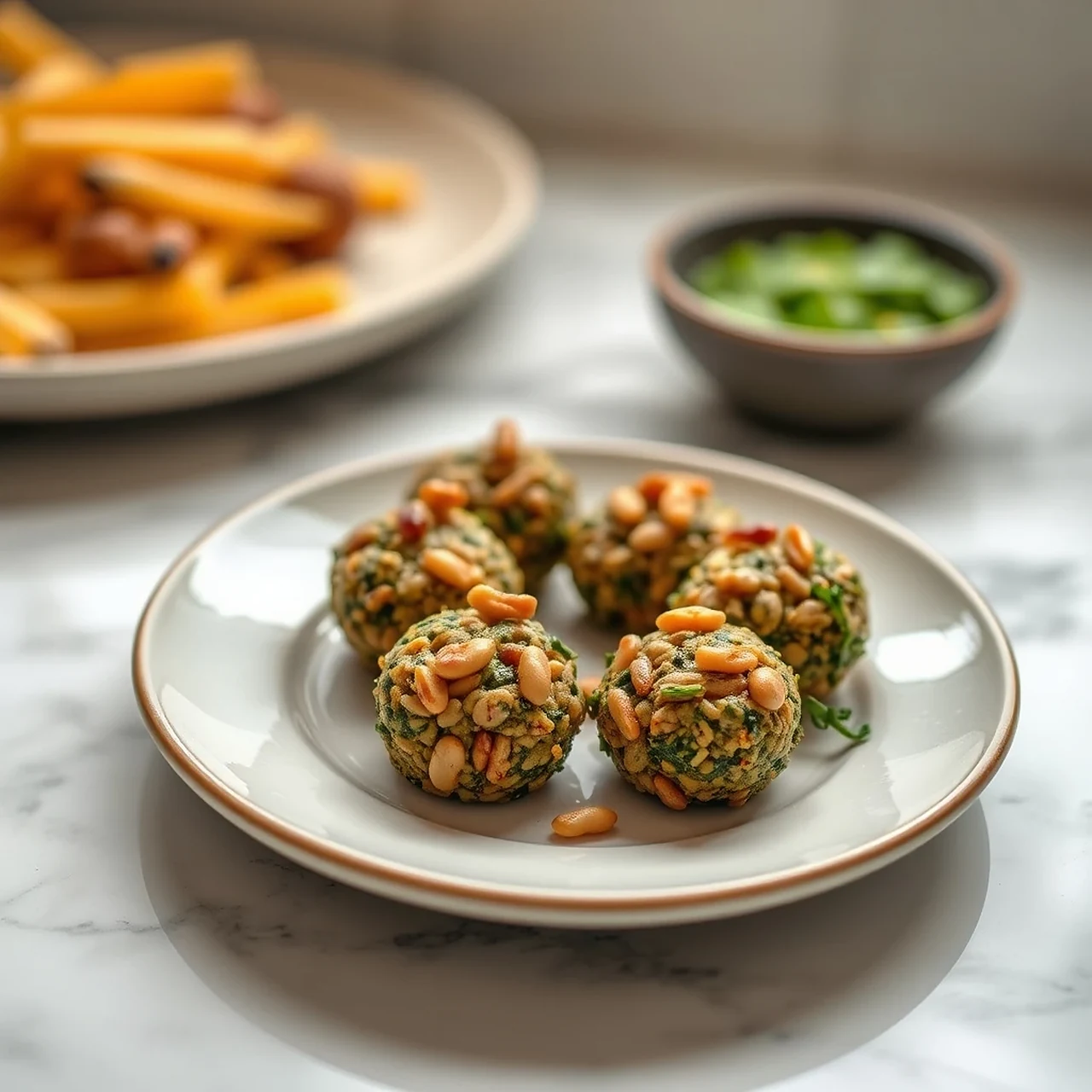
In our quest to provide the very best for our beloved animal companions, the trend toward fresh, whole foods has gained significant momentum. This recipe taps into that desire, offering a remarkably simple yet potent way to boost your pet's diet. Sprouting mung beans transforms these humble legumes into a vibrant, enzyme-rich 'power green' that's easy to digest and packed with bioavailable nutrients. Sprouting is an ancient practice that awakens dormant nutrients within seeds, significantly increasing their vitamin content, enzyme activity, and digestibility. Unlike raw, unsprouted beans, which can be difficult for pets to process, sprouted mung beans are gentle on the digestive system and offer a burst of natural goodness. This makes them an excellent, cost-effective supplement for a wide range of pets, from the smallest hamster to the largest dog. Before introducing any new food or making significant changes to your pet's diet, it is always wise to consult with your veterinarian. They can provide tailored advice based on your pet's individual health needs and ensure this addition is appropriate. With that guidance, you'll be ready to cultivate a truly fresh and beneficial treat right in your own kitchen.
Safety first: Every dog is different: age, allergies, and health conditions all matter, so check with your vet when in doubt.
Foods to avoid
Never feed raw, unsprouted mung beans to your pets, as they can contain anti-nutrients that inhibit digestion and absorption. Ensure proper hygiene during the sprouting process to prevent bacterial growth and mold. If you see any signs of mold (fuzzy patches, unusual colors) or smell anything off, discard the entire batch immediately. Always consult your veterinarian before making any significant changes to your pet's diet, especially if they have pre-existing health conditions.
Ingredients
Instructions
Prepare and Soak the Mung Beans: Begin by carefully inspecting your 1/4 cup of organic whole mung beans. Remove any debris, discolored beans, or small stones. Place the clean beans in your glass jar. Pour 1.5 to 2 cups of filtered water over them, ensuring all beans are submerged with ample room to swell. Let them soak
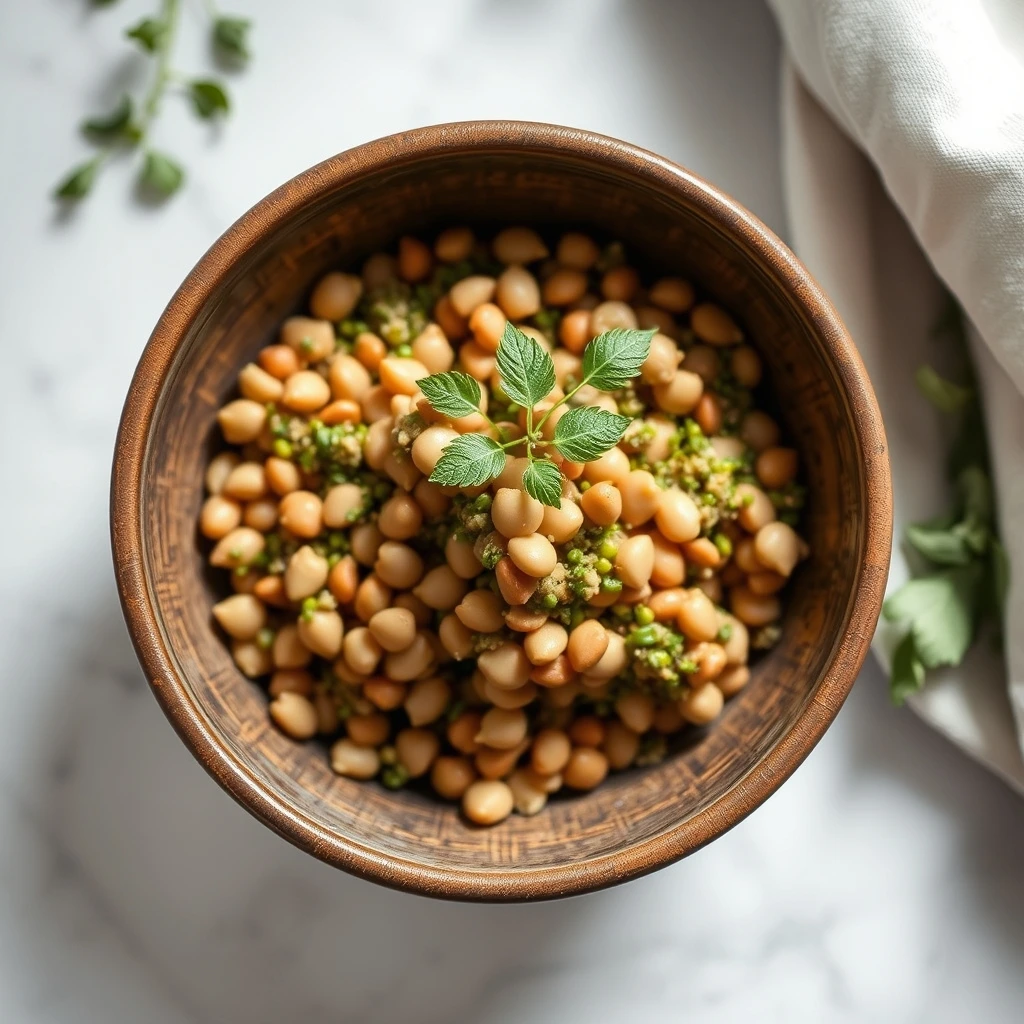
Initial Rinse and Setup for Sprouting: After the soaking period, secure your sprouting lid (or use a fine-mesh strainer with a rubber band) onto the jar. Invert the jar over a bowl or sink to thoroughly drain all the soaking water. Rinse the beans vigorously with fresh, cool filtered water, swirling the jar gently, the
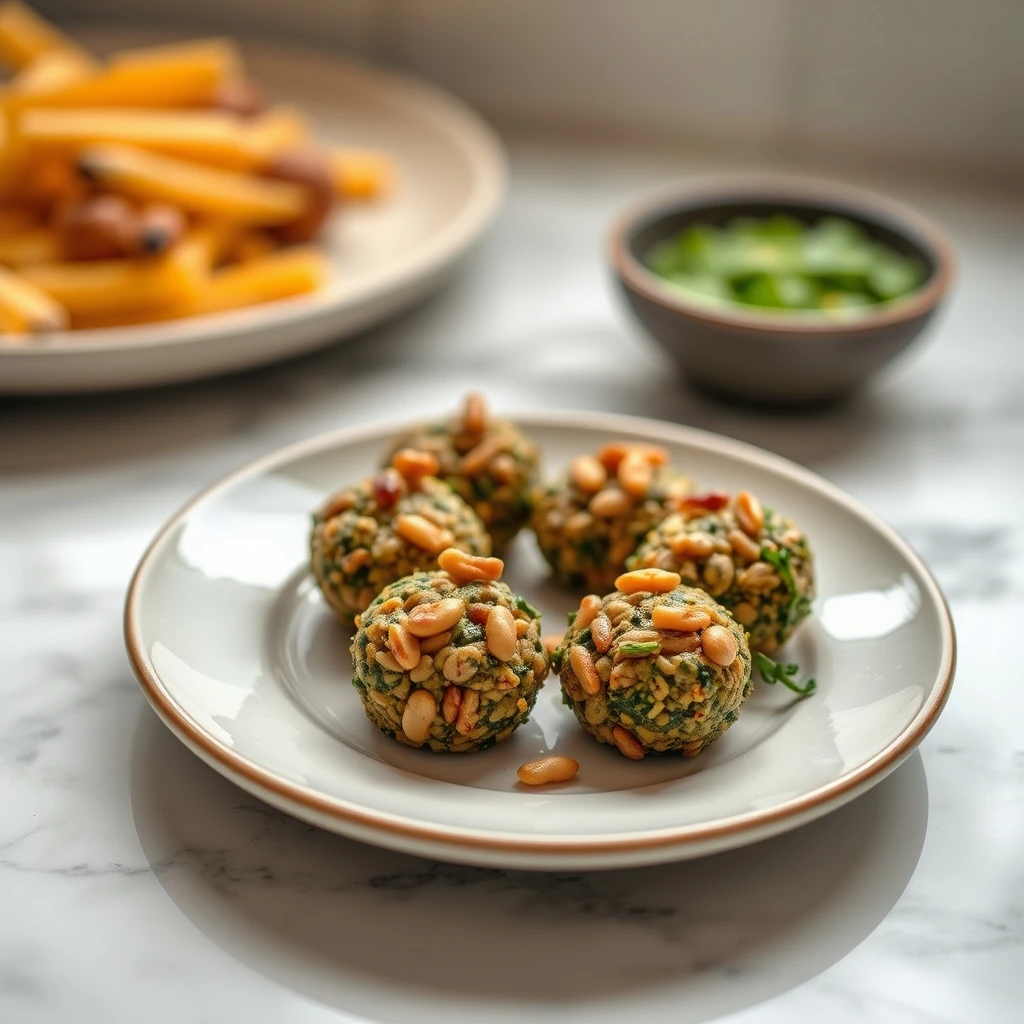
Daily Rinsing Routine: Repeat the rinsing and draining process every 8 to 12 hours (typically twice a day, morning and evening) for the next 3 to 5 days. Each rinse should be thorough: fill the jar with cool filtered water, swirl, then drain completely. Always ensure the jar is tilted for drainage and air circulation a
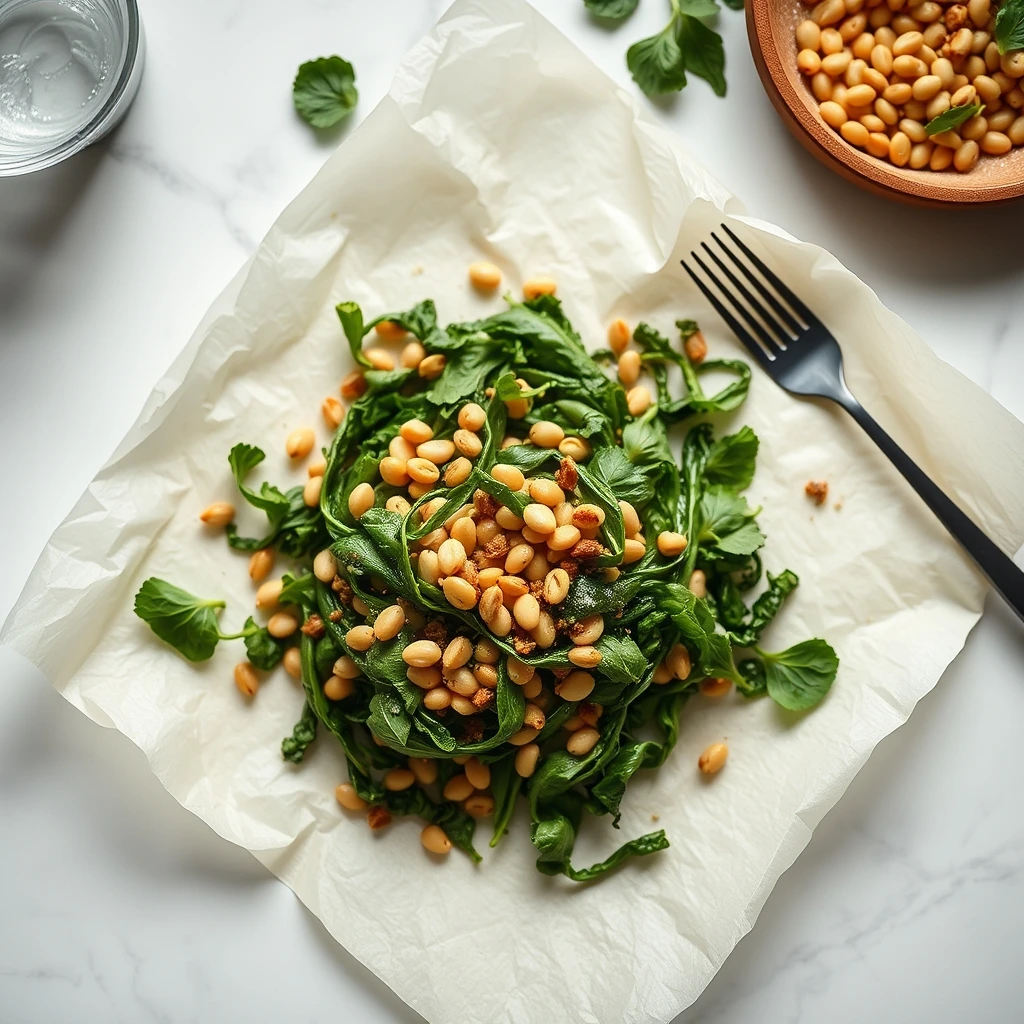
Observe and Grow: Over the next few days, you'll observe tiny white tails emerging from the mung beans. These are the sprouts! Continue the twice-daily rinsing and draining. The ideal sprout length for most pets is about 1/4 to 1/2 inch, as this is when their nutritional value is typically at its peak and they are most
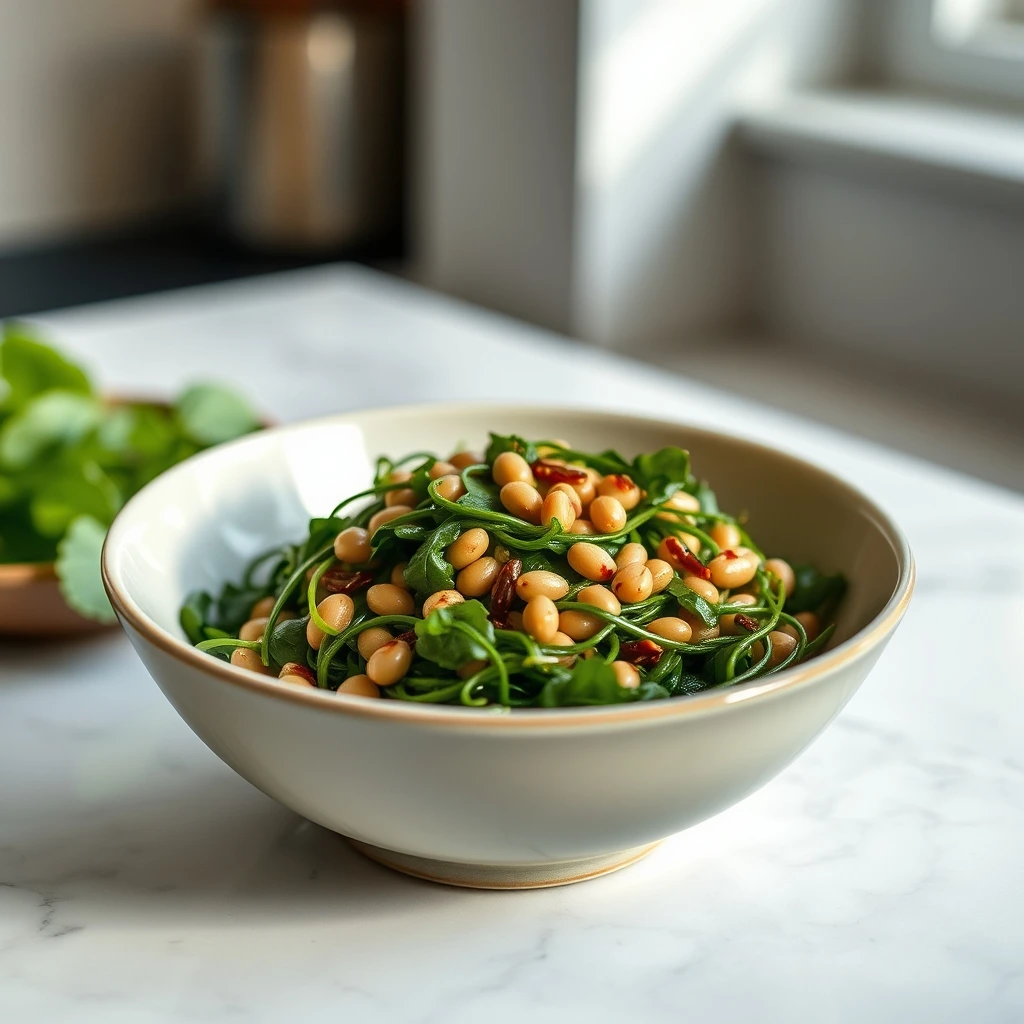
Harvesting the Power Greens: Once your mung bean sprouts have reached the desired length, it's time to harvest. Give them one final, thorough rinse under cool filtered water in a colander or fine-mesh strainer. Gently rub them with your fingers to remove any remaining hulls, which might float away with the water. While
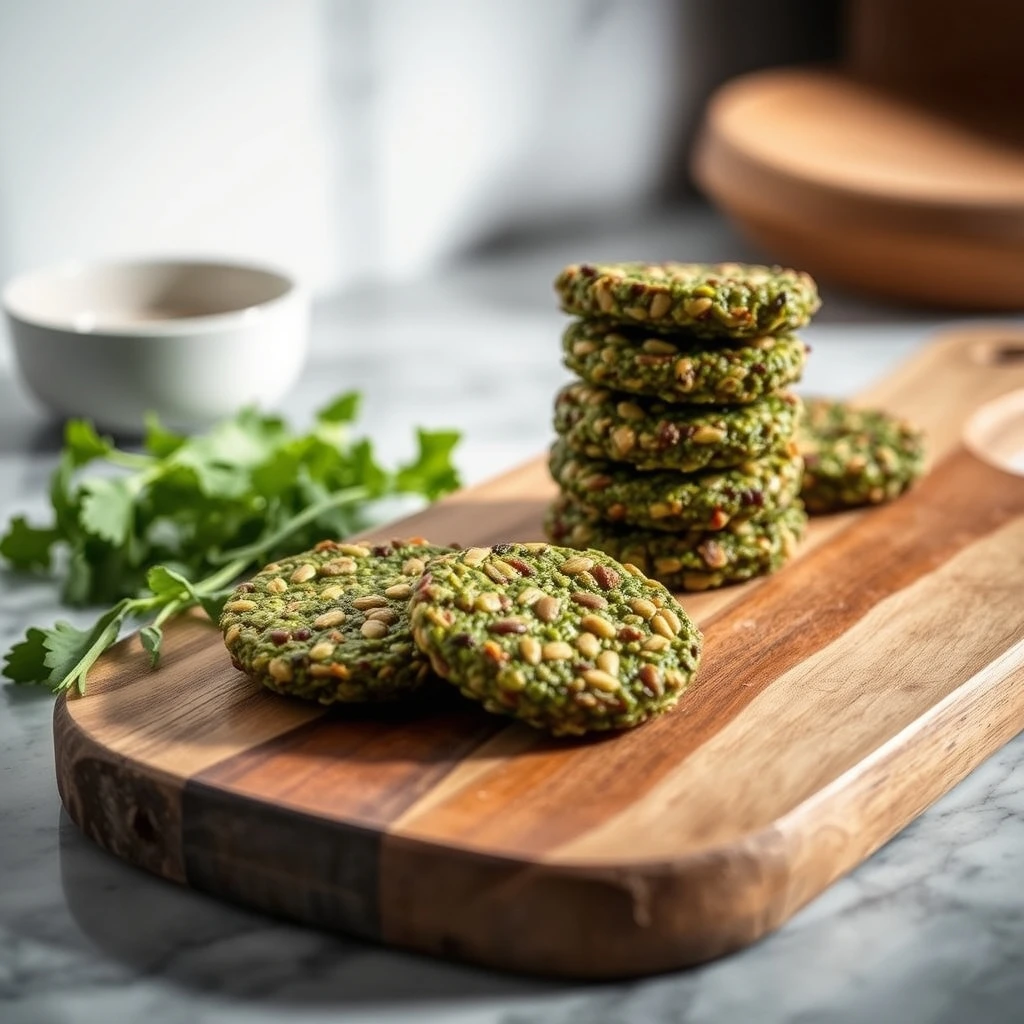
Drying and Preparing for Storage: After the final rinse, spread the harvested sprouts thinly on a clean kitchen towel or several layers of paper towels. Gently pat them dry to remove as much surface moisture as possible. This step is crucial for proper storage, as excess moisture can quickly lead to spoilage and mold.
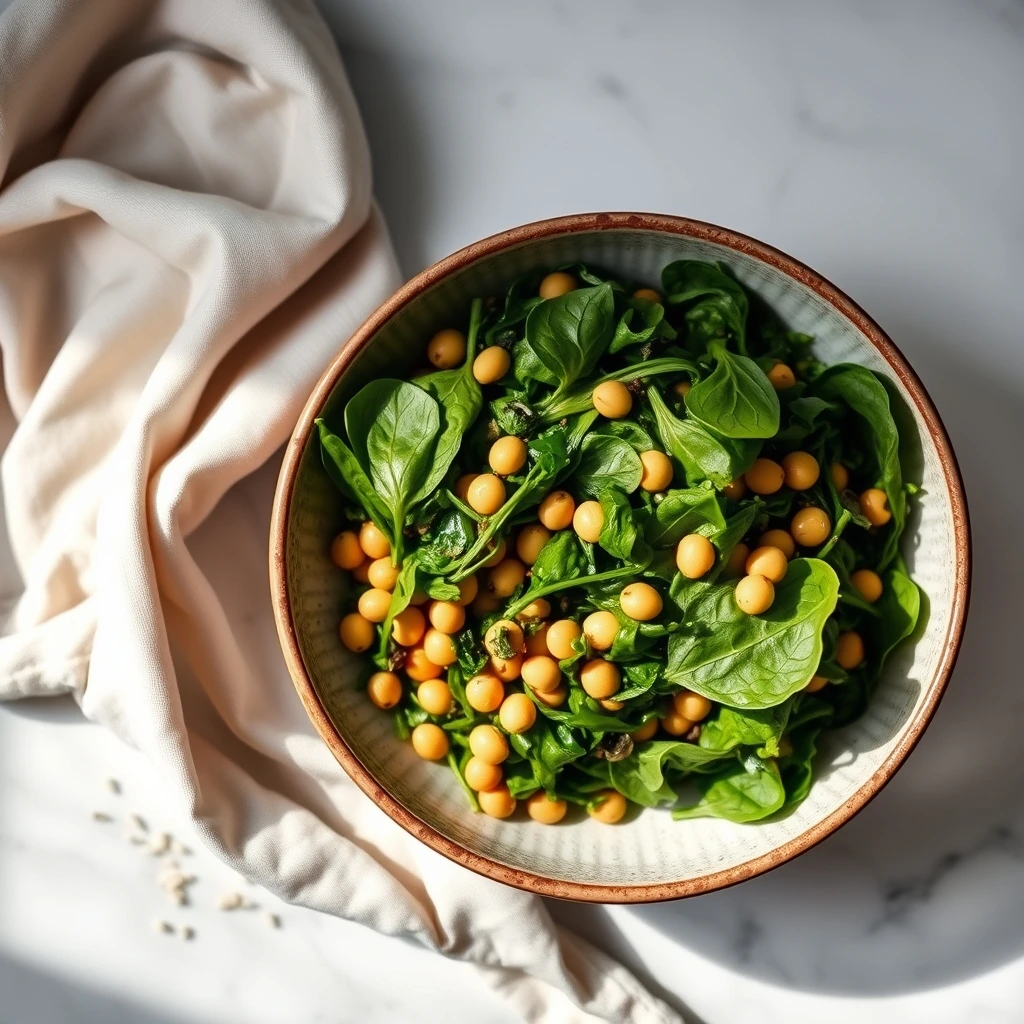
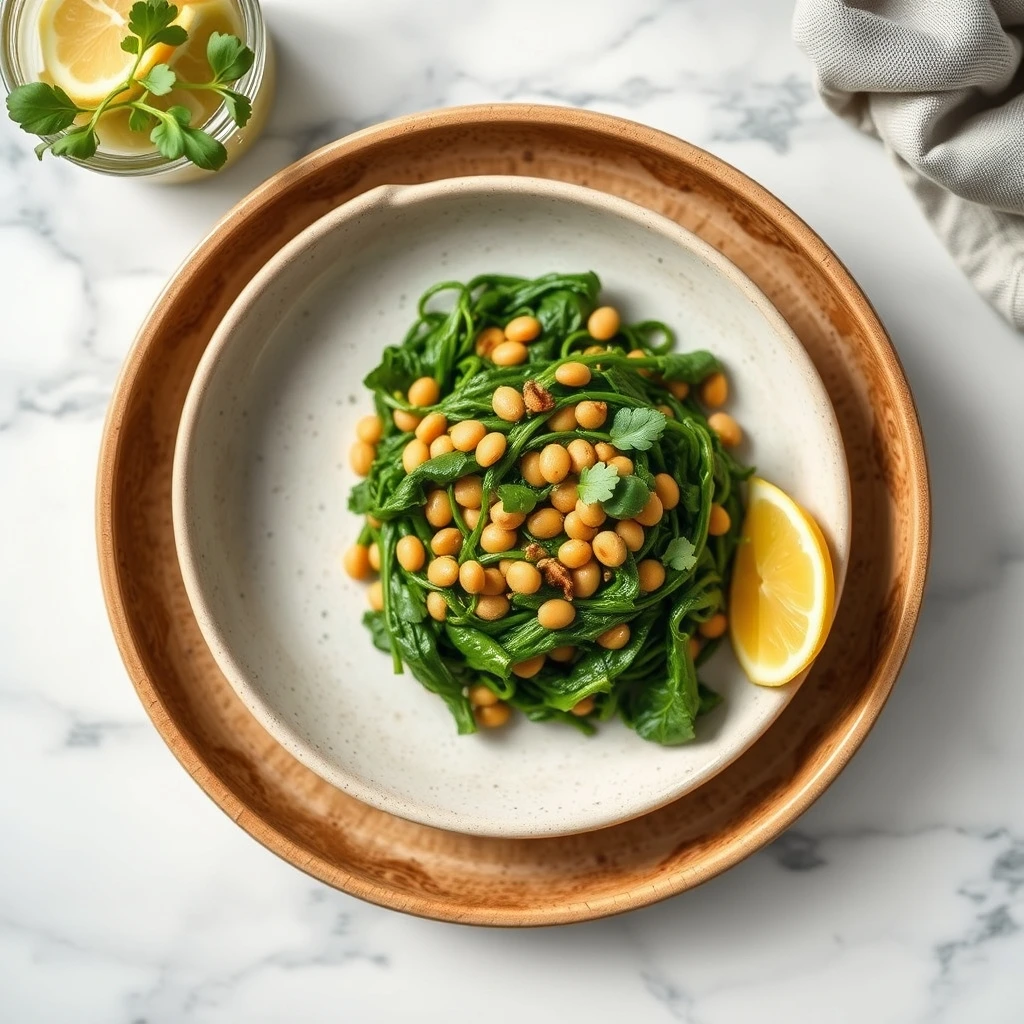
Ready to Serve: Your Sprouted Mung Bean Power Greens are now ready to be served! You can chop them finely for smaller pets or mix them in whole with your pet's regular food. Always introduce new foods slowly and in small quantities to observe your pet's reaction. This ensures they tolerate the new addition well. Start
Made this recipe?
Tap the paw so other pet parents know it’s worth making.
Be the first to make it
Tips & serving
Introduce sprouts slowly, starting with a very small amount (a pinch for small pets, 1/4 teaspoon for medium pets, 1/2 teaspoon for large pets) mixed into their regular food. Gradually increase over several days. For dogs and cats, a general guideline is 1/2 to 2 teaspoons per 10-20 lbs of body weight per day, mixed into their meals. For birds and small pets like rabbits, hamsters, or guinea pigs, a small pinch (1/4 to 1/2 teaspoon) can be offered daily as a fresh treat. Always monitor your pet for any digestive upset. This is a supplement, not a meal replacement.
- Enhanced Digestion: Sprouting increases enzyme activity, aiding in the breakdown and absorption of nutrients.
- Nutrient Boost: Significantly elevates levels of vitamins (especially B vitamins and Vitamin C), minerals, and amino acids.
- Increased Bioavailability: Makes nutrients more accessible and easier for your pet's body to utilize.
- Hydration Support: Sprouts contain a high water content, contributing to your pet's overall hydration.
- Cost-Effective Supplement: Provides fresh, live food without the high cost of store-bought alternatives.
- Start Small: Begin with a small batch of beans to get comfortable with the sprouting process.
Storage
Store dried sprouts in an airtight container lined with a paper towel in the refrigerator. Discard immediately if you notice any sliminess, off-smell, or mold. Do not freeze, as this will destroy the beneficial enzymes and alter texture.
Substitutions
While mung beans are excellent for beginners due to their ease of sprouting and mild taste, other pet-safe seeds like alfalfa, clover, or lentil sprouts can be used. Always research specific seeds to ensure they are safe for your particular pet species. Do not substitute with large, hard beans like kidney beans or chickpeas, as these require specific cooking methods and are not suitable for raw sprouting for pets.
Dogs, Cats, Birds, Rabbits, Small Pets recipe FAQ
Can Sprouted Mung Bean Power Greens replace my dog's regular diet?
Treat it as an occasional extra, not a meal plan. Introduce sprouts slowly, starting with a very small amount (a pinch for small pets, 1/4 teaspoon for medium pets, 1/2 teaspoon for large pets) mixed into their regular food. Gradually increase over several days.
Can dogs have mung beans?
This recipe uses mung beans in a small, dog-appropriate amount. Skip it if your dog has a known sensitivity, and read the foods-to-avoid note on this page before serving.
How do I store this fresh mix?
Store dried sprouts in an airtight container lined with a paper towel in the refrigerator. They will keep fresh for 3 to 5 days. Discard immediately if you notice any sliminess, off-smell, or mold.
What's the safest way to try this with my dog?
Offer a small amount beside regular food, introduce one new recipe at a time, and watch appetite, stool, skin, and behavior for a day or two.
Can I sprout other types of beans for my pets?
Yes, some other beans like lentils, adzuki beans, and even quinoa can be sprouted for pets. However, always ensure they are organic and intended for sprouting. Avoid larger beans like kidney or navy beans, as these are not safe to feed raw, even sprouted. Mung beans are a great, safe starting point.
What if my sprouts don't grow or get moldy?
Lack of growth can be due to old seeds, insufficient soaking, or improper temperature. Mold usually indicates too much moisture or lack of air circulation. Ensure thorough rinsing and draining, good airflow, and use fresh, viable seeds. If mold appears, discard the batch and clean your equipment thoroughly before trying again.
Sources