

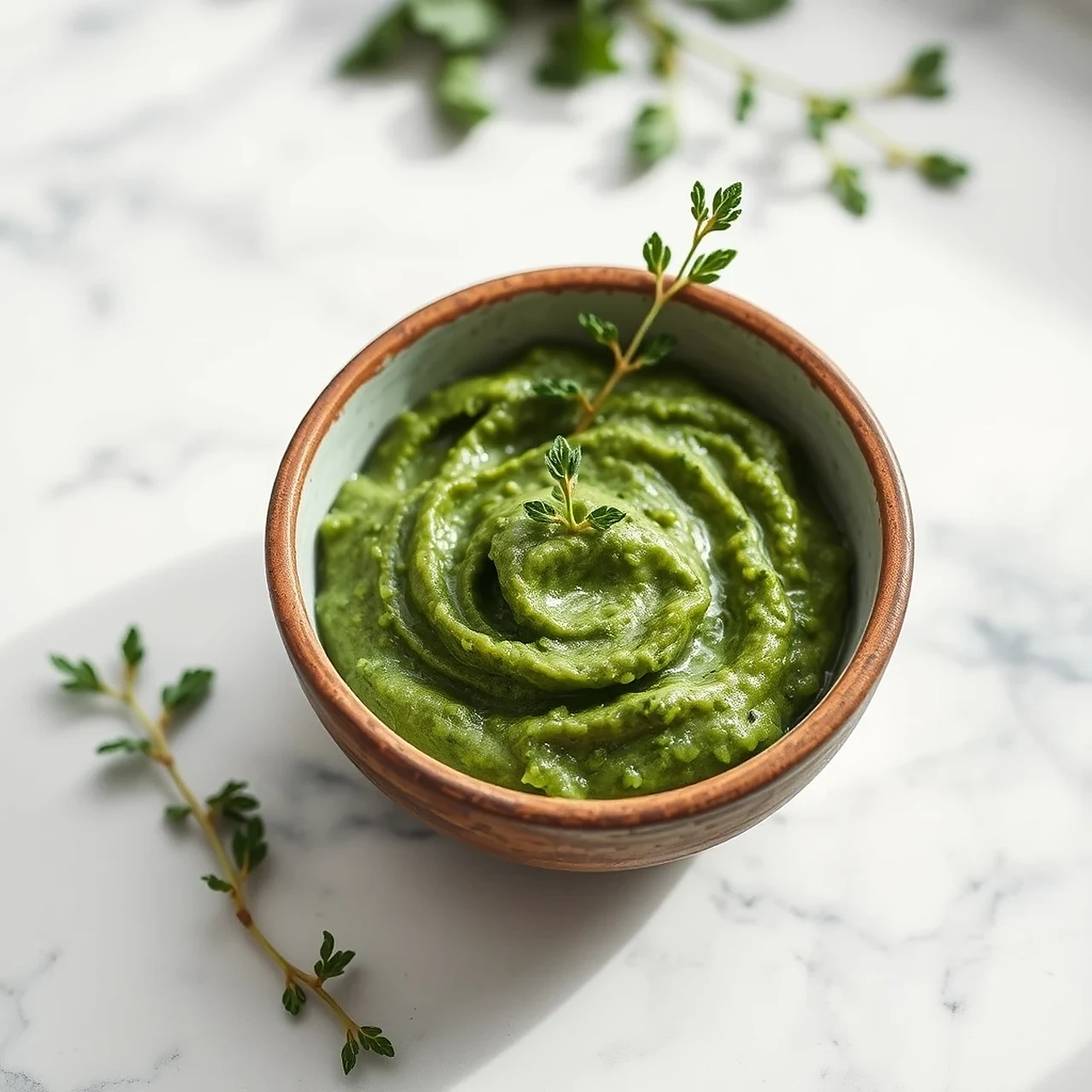
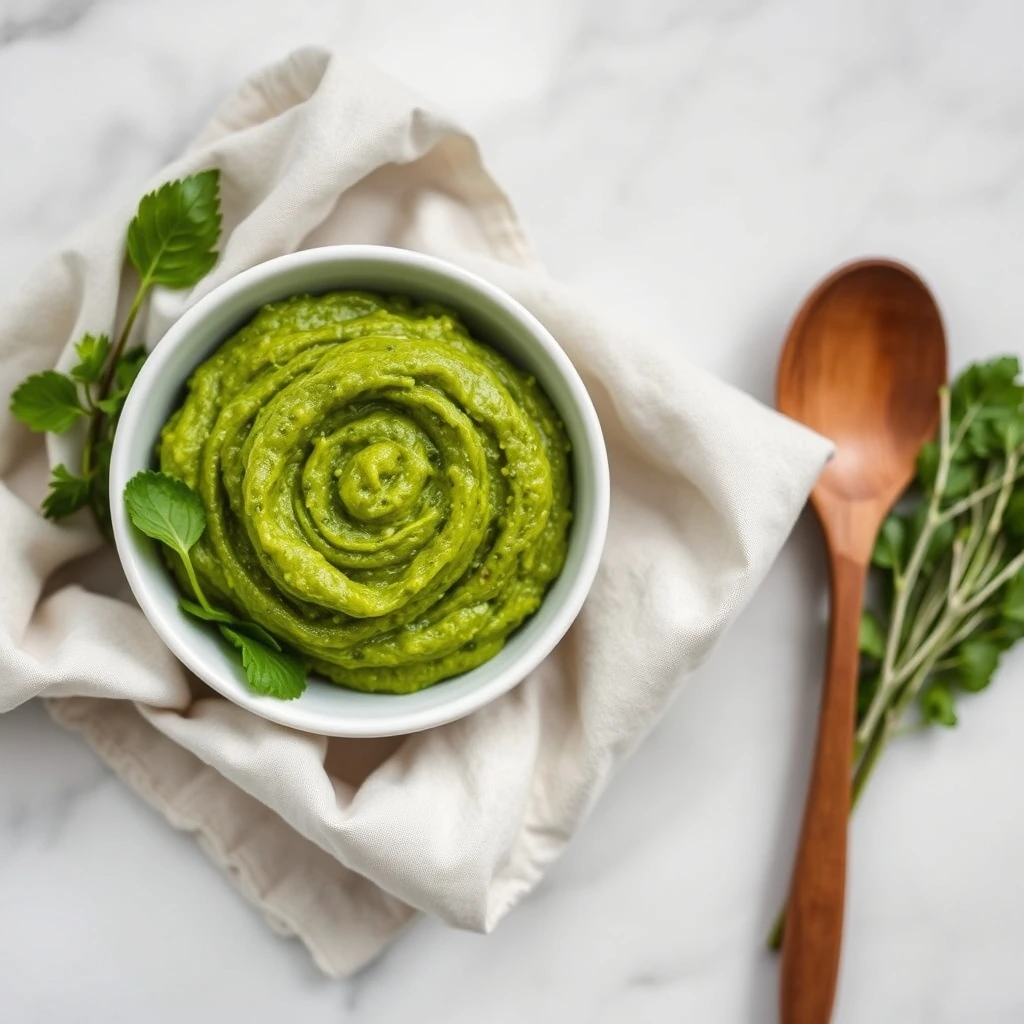
As the days lengthen and temperatures rise, many of us look for ways to bring the freshness of spring into our homes and onto our plates. Why should our beloved pets miss out on these seasonal delights? This Spring Greens & Herb Hydration Purée offers a simple, natural way to add a hydrating, nutrient-rich boost to your pet's daily meals. It's a versatile topper designed with the well-being of dogs, cats, rabbits, and other small pets in mind. Crafted from carefully selected leafy greens and herbs, this purée provides a gentle introduction of natural vitamins, minerals, and moisture, which can be particularly beneficial during warmer months or if your pet isn't drinking as much water as they should. The process involves a quick blanch to ensure digestibility and safety, then blending into a smooth consistency that's easy for pets of all sizes and ages to enjoy. It's a thoughtful addition that complements their regular diet without overwhelming it. Before introducing any new food, especially for pets with existing health conditions or sensitive stomachs, a conversation with your veterinarian is always recommended. They can offer personalized advice to ensure this purée is a safe and beneficial addition to your specific pet's dietary plan.
Safety first: Skip this recipe if your dog has a known sensitivity to any ingredient, and introduce anything new slowly.
Foods to avoid
Never use onion, garlic, chives, leeks, or avocado in any pet recipe, as these are toxic to many animals. Avoid adding any salt, sugar, oils, or artificial seasonings. Always ensure all greens are organic and thoroughly washed to remove pesticides.
Ingredients
Instructions
Wash and Prepare Greens: Thoroughly wash all fresh spinach, kale (remove tough stems), parsley, and mint under cool running water. Pat them gently with a clean towel or use a salad spinner to remove excess moisture. This step is crucial for removing any dirt, pesticides, or debris.
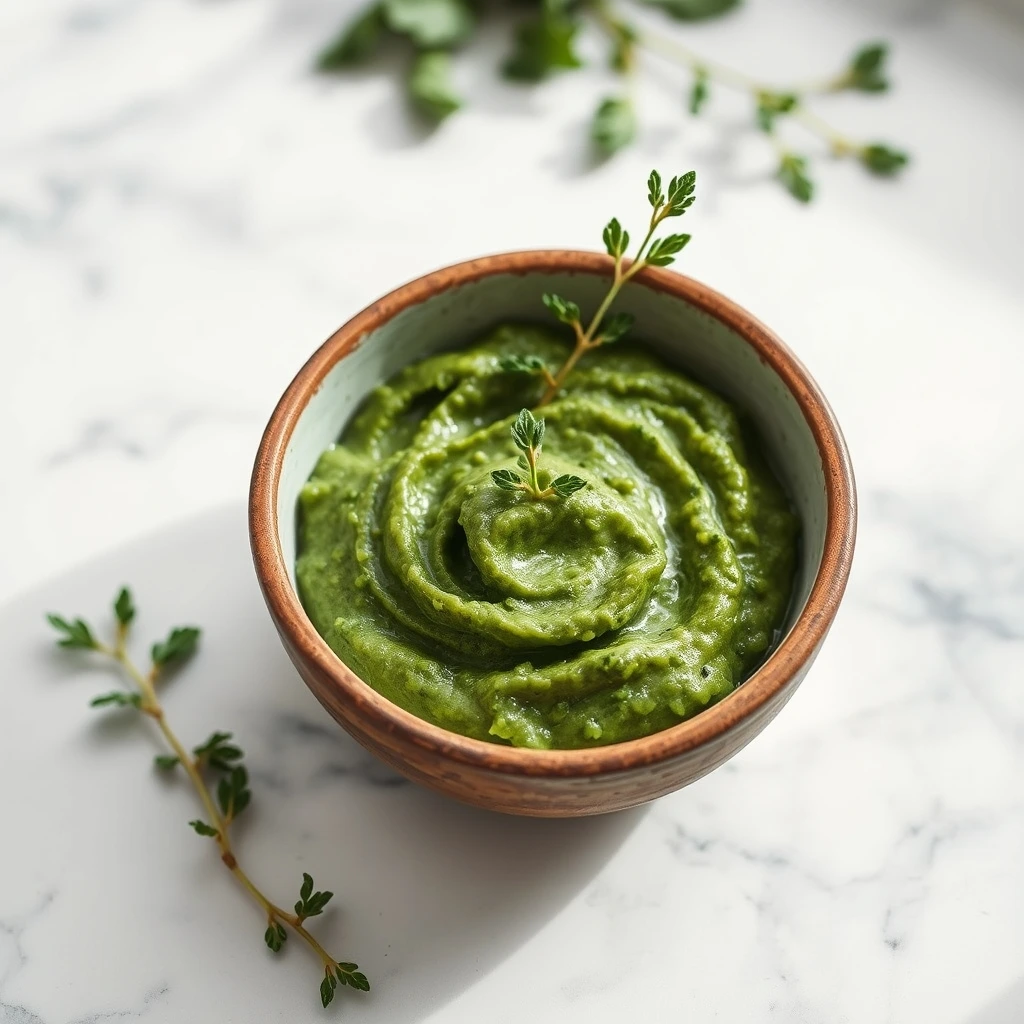
Blanch the Greens: Bring a large pot of filtered water to a rolling boil. Carefully add the washed greens to the boiling water. Blanch for 60-90 seconds, just until they turn bright green and slightly wilted. Blanching helps to break down plant fibers, making the greens easier for pets to digest, and reduces oxalates i

Shock in Ice Bath: Immediately after blanching, use a slotted spoon to transfer the greens from the boiling water into a large bowl filled with ice water. Let them cool in the ice bath for 2-3 minutes. This 'shocking' process stops the cooking, preserves the vibrant green color, and helps retain more nutrients.
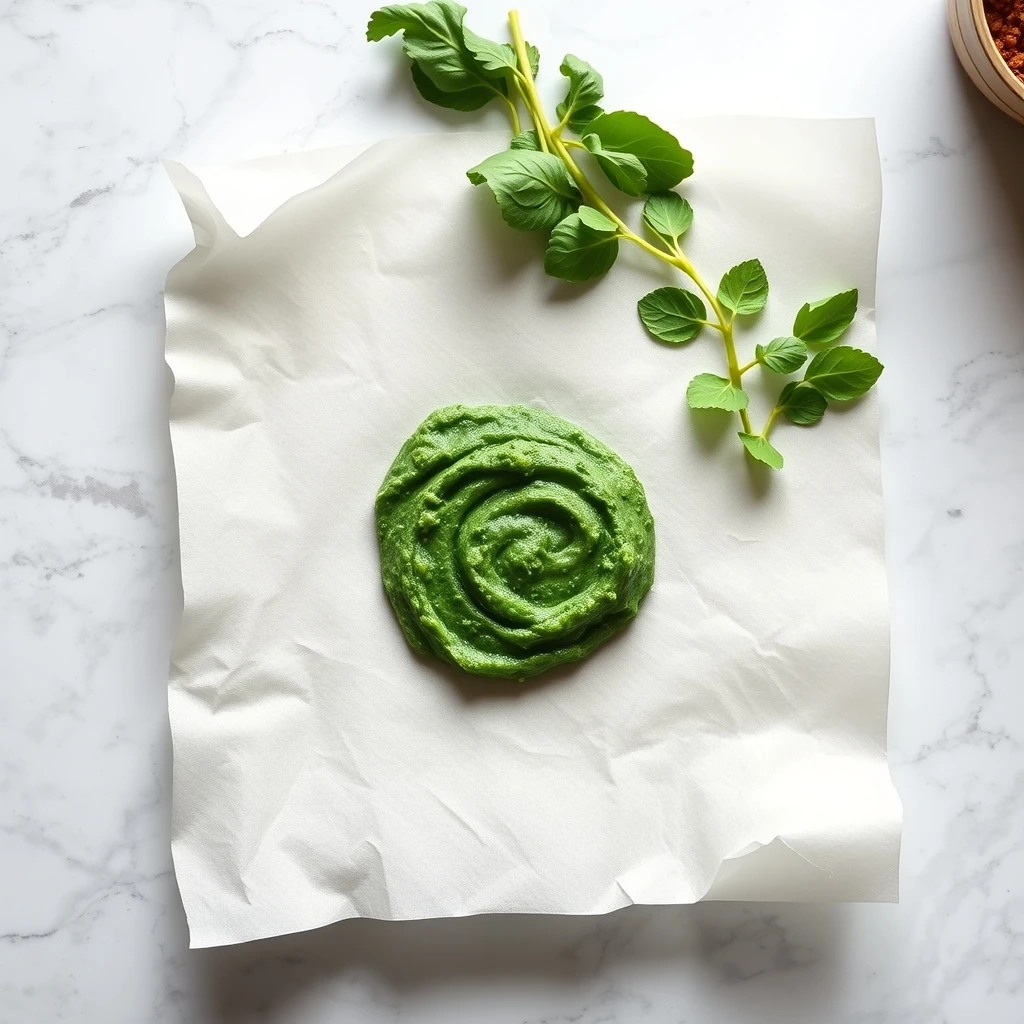
Drain and Squeeze Excess Water: Remove the cooled greens from the ice bath and place them in a colander. Gently squeeze out as much excess water as possible. This step ensures the purée won't be too watery and will have a richer flavor and texture.
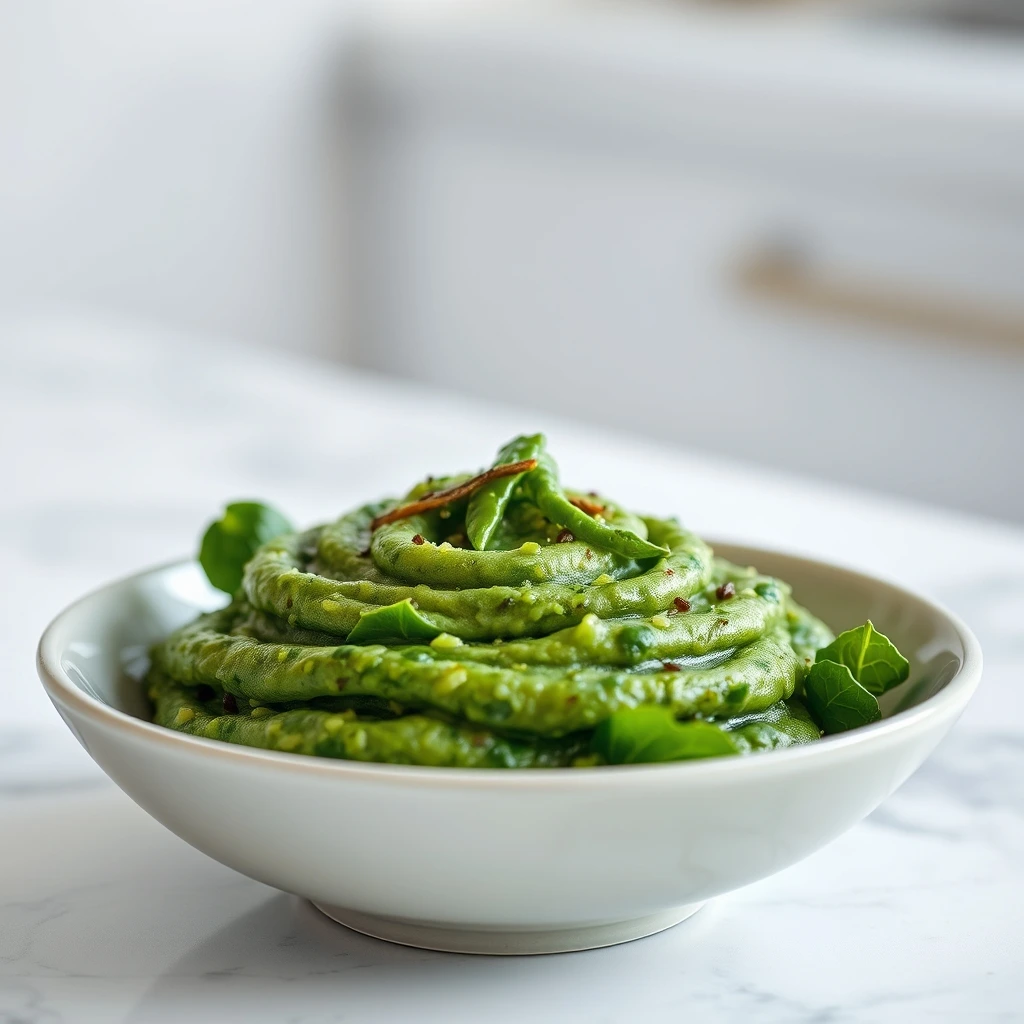
Blend to a Smooth Purée: Transfer the squeezed greens to a high-speed blender or food processor. Add 1 cup of filtered water. Blend until the mixture is completely smooth and creamy, adding a little more water, one tablespoon at a time, if needed to achieve a pourable but not runny purée consistency. The goal is a unif

Taste Test (for humans) & Portion: Give the purée a quick taste (for humans only) to ensure it's fresh and pleasant. Then, pour the finished purée into airtight containers or ice cube trays for easy portioning. Freezing in ice cube trays is ideal for single-serving portions for smaller pets.
Made this recipe?
Tap the paw so other pet parents know it’s worth making.
Be the first to make it
Tips & serving
This Spring Greens & Herb Hydration Purée is intended as a meal topper, not a complete meal replacement. Introduce it slowly, starting with a very small amount (e.g., 1/4 teaspoon for small pets, 1/2 teaspoon for cats, 1 teaspoon for small dogs, 1-2 tablespoons for large dogs) mixed into their regular food. Monitor your pet for any digestive upset. Gradually increase the amount over several days if tolerated well. Always ensure fresh drinking water is available. For specific dietary concerns or questions about appropriate serving sizes for your individual pet, it is always best to consult with your veterinarian.
- Provides natural hydration through fresh vegetables and herbs
- Adds essential vitamins (like K, A, C) and minerals (like iron, calcium) to the diet
- Supports healthy digestion with dietary fiber (when blanched and puréed)
- Offers a novel taste and texture to mealtime, encouraging picky eaters
- Can help support a healthy immune system with antioxidant-rich ingredients
- Organic is Best: Choose organic greens and herbs whenever possible to minimize pesticide exposure.
Storage
Freeze: For longer storage, freeze the purée in ice cube trays. Once frozen, transfer the cubes to a freezer-safe bag or container. Thaw individual portions in the refrigerator overnight or microwave briefly before serving, ensuring it's cooled before offering to your pet.
Substitutions
- Greens
Instead of spinach or kale, you can use chard, collard greens, or dandelion greens (ensure they are pesticide-free and safe for your specific pet type). Always research safety for each pet before using a new green.
- Herbs
If mint isn't preferred, a tiny pinch of fresh basil can be used, or simply omit the herbs for a simpler greens purée.
- Liquid
Instead of filtered water, a very small amount of unsalted, plain bone broth or vegetable broth (ensure no onion, garlic, or other harmful ingredients) can be used for added flavor, but water is the safest universal option.
Dogs, Cats, Rabbits, Small Pets recipe FAQ
Can I serve this topper every day?
Treat it as an occasional extra, not a meal plan. This Spring Greens & Herb Hydration Purée is intended as a meal topper, not a complete meal replacement. Introduce it slowly, starting with a very small amount (e.g., 1/4 teaspoon for small pets, 1/2 teaspoon for cats,.
Is fresh leafy greens (e.g., spinach, okay for dogs?
This recipe uses fresh leafy greens (e.g., spinach, in a small, dog-appropriate amount. Skip it if your dog has a known sensitivity, and read the foods-to-avoid note on this page before serving.
How long does Spring Greens & Herb Hydration Purée keep?
Refrigerate: Store the purée in an airtight container in the refrigerator for up to 3-4 days. Freeze: For longer storage, freeze the purée in ice cube trays. Once frozen, transfer the cubes to a freezer-safe bag or container.
How should I introduce this topper?
Start with a taste-size portion next to your dog's usual food, and hold off on serving more until you have seen that it agrees with them.
Why do I need to blanch the greens?
Blanching helps break down the tough cell walls of leafy greens, making them much easier for your pet to digest and absorb nutrients. It also reduces levels of oxalates in certain greens like spinach and kale, which can interfere with mineral absorption if consumed in very large quantities raw.
Can I use different greens or vegetables?
Yes, you can substitute or add other pet-safe greens and vegetables, but always research their safety for *all* your specific pet types first. Good options include dandelion greens, romaine lettuce, or even a small amount of blanched broccoli florets (though these can cause gas in some pets). Avoid nightshade vegetables and anything from the onion family.
Sources