

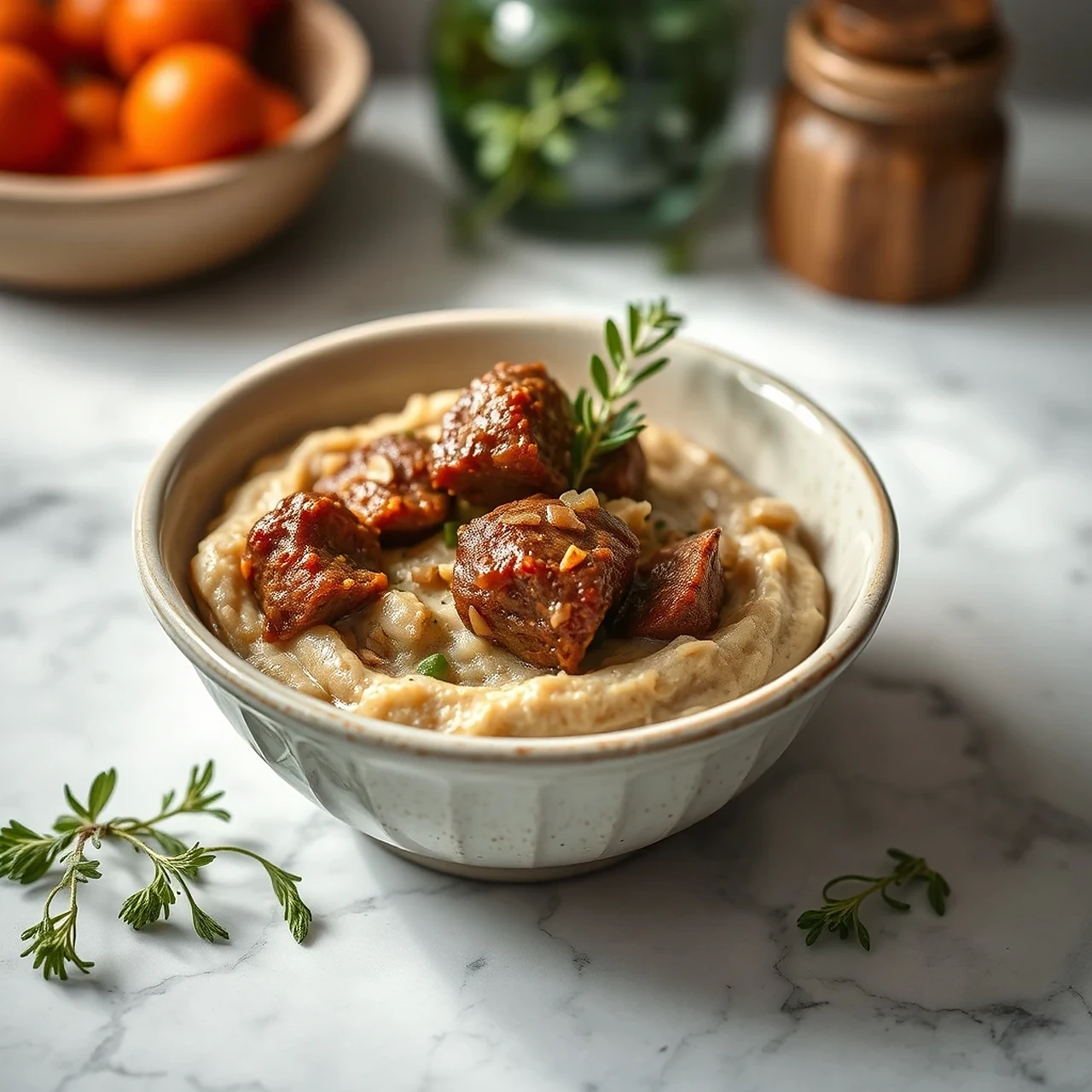
Making homemade treats for your beloved dog or cat is a rewarding way to ensure they are getting wholesome ingredients without any unwanted additives. These Pureed Liver and Garden Veggie Bites are a fantastic option, offering a soft texture that is gentle on sensitive teeth and easy to digest for pets of all ages, from energetic puppies and kittens to wise senior companions. We have carefully developed this recipe to provide a delicious, high-value reward that you can feel good about feeding. This recipe focuses on the natural goodness of liver, a nutrient-dense organ meat, combined with beneficial, pet-safe vegetables. The pureed consistency ensures maximum palatability, even for picky eaters, and makes these bites ideal for hiding medication or for quick training rewards. We have aimed for a practical and straightforward process, so you can whip up a batch with confidence, knowing exactly what is going into your pet's treats. As with any changes to your pet's diet, especially introducing new ingredients or treats, it is always wise to have a conversation with your veterinarian. They can offer tailored advice based on your pet's individual health needs, dietary restrictions, and overall well-being. This ensures these delicious bites are a perfect fit for your furry family member.
Safety first: Skip this recipe if your dog has a known sensitivity to any ingredient, and introduce anything new slowly.
Foods to avoid
Always avoid using raw liver in treats due to potential bacterial contamination. Ensure all vegetables are pet-safe and cooked until very tender. Do not use garlic, onions, chives, leeks, or any other allium vegetables, as these are toxic to pets. Never use highly seasoned broths; opt for plain, low-sodium varieties. If you notice any adverse reactions in your pet after consuming these treats, discontinue use immediately and consult your veterinarian. Remember, major diet changes should always be discussed with a veterinarian.
Ingredients
Instructions
Prepare Liver and Vegetables: Begin by thoroughly rinsing the liver. Place it in a pot with enough water to cover, bring to a gentle boil, then reduce heat and simmer for 10-15 minutes until fully cooked through and no longer pink. Drain and allow to cool. Separately, steam or boil your chosen pet-safe vegetables until
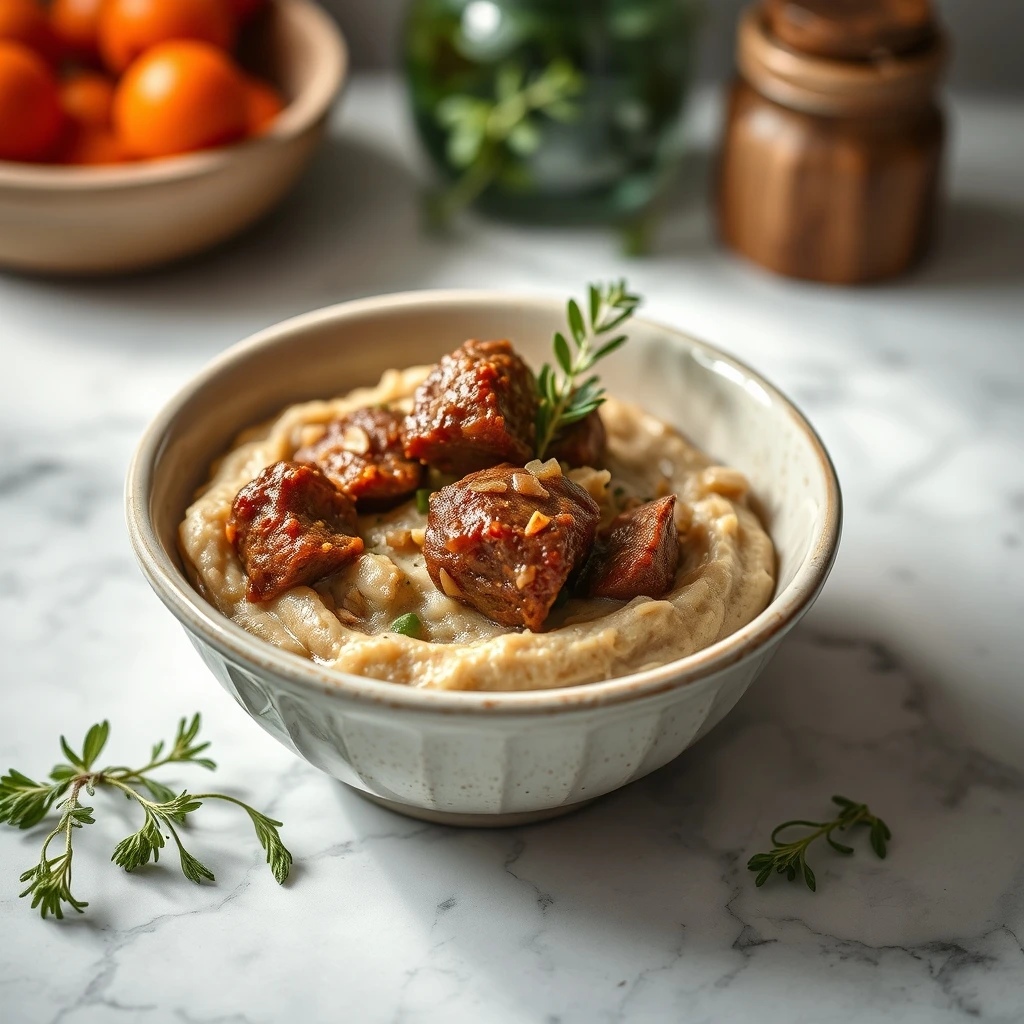
Puree Ingredients: Once the liver and vegetables are cool, transfer them to a food processor or high-speed blender. Process until a very smooth, consistent puree is formed. You may need to scrape down the sides a few times to ensure everything is evenly blended. The goal is a thick, uniform paste without large chunks.
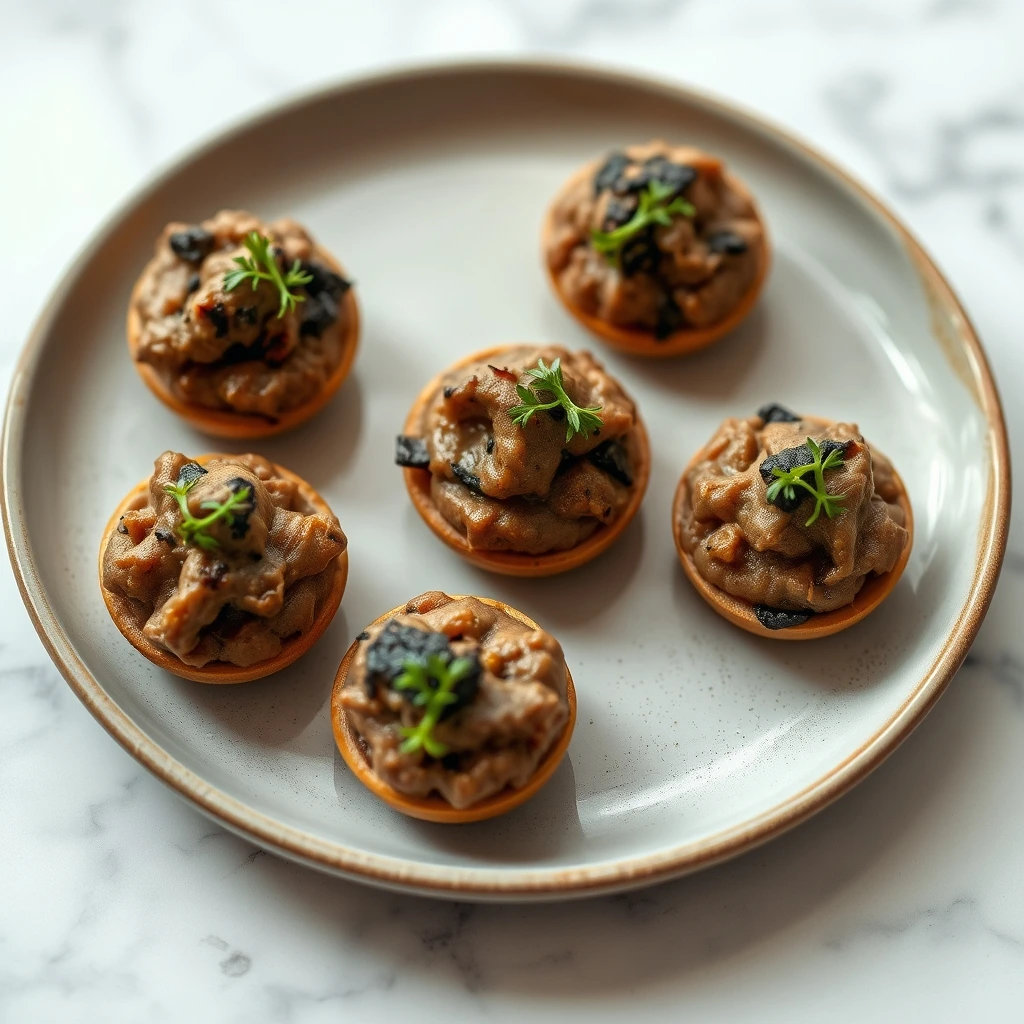
Form the Dough: Transfer the liver and veggie puree to a large mixing bowl. Gradually add the oat flour or rice flour, starting with 1/2 cup, mixing thoroughly until a thick, pliable dough forms. If the mixture is too dry and crumbly, add the low-sodium broth or water one tablespoon at a time until the dough comes toge
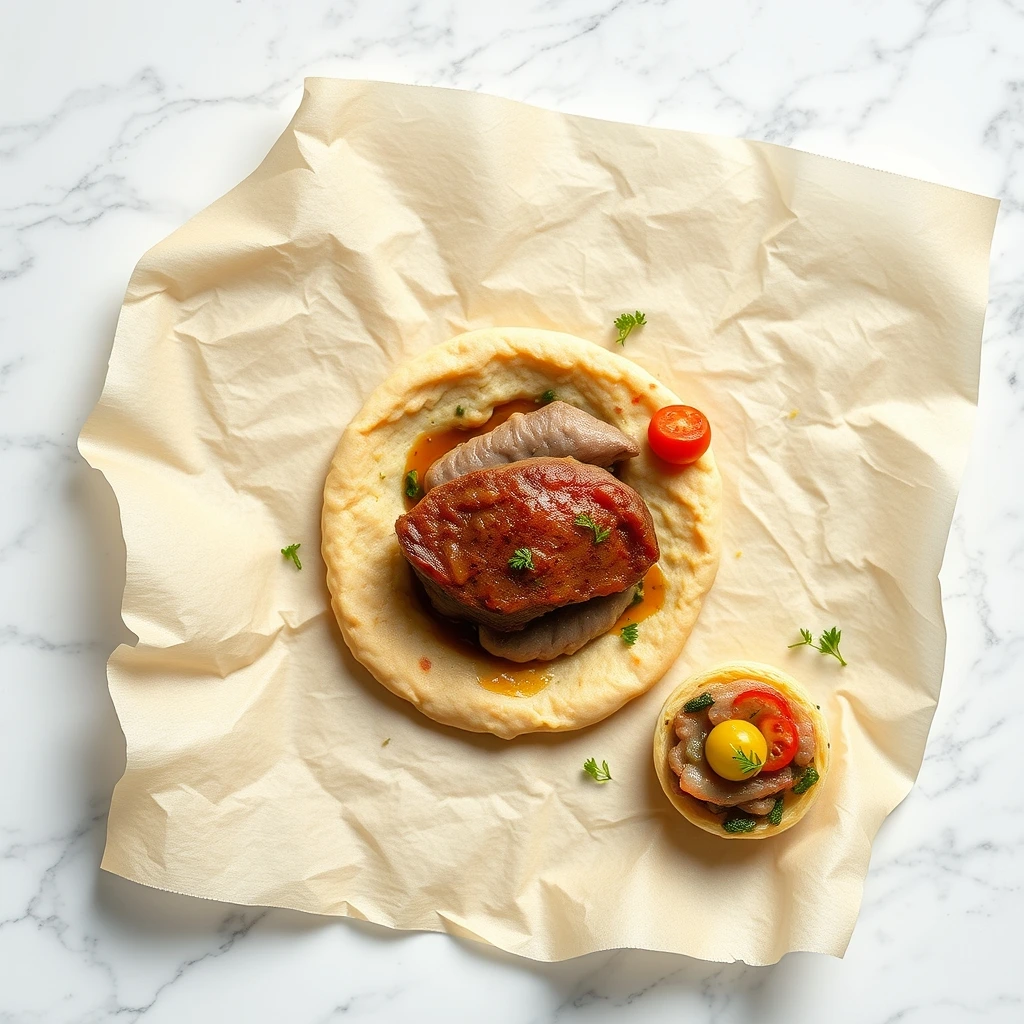
Shape the Bites: Preheat your oven to 325°F (160°C). Line a baking sheet with parchment paper or a silicone baking mat. Lightly dust your hands or a clean surface with a bit of flour. Roll small portions of the dough into pea-sized to dime-sized balls, or roll the dough into thin logs and cut into small pieces. Aim for
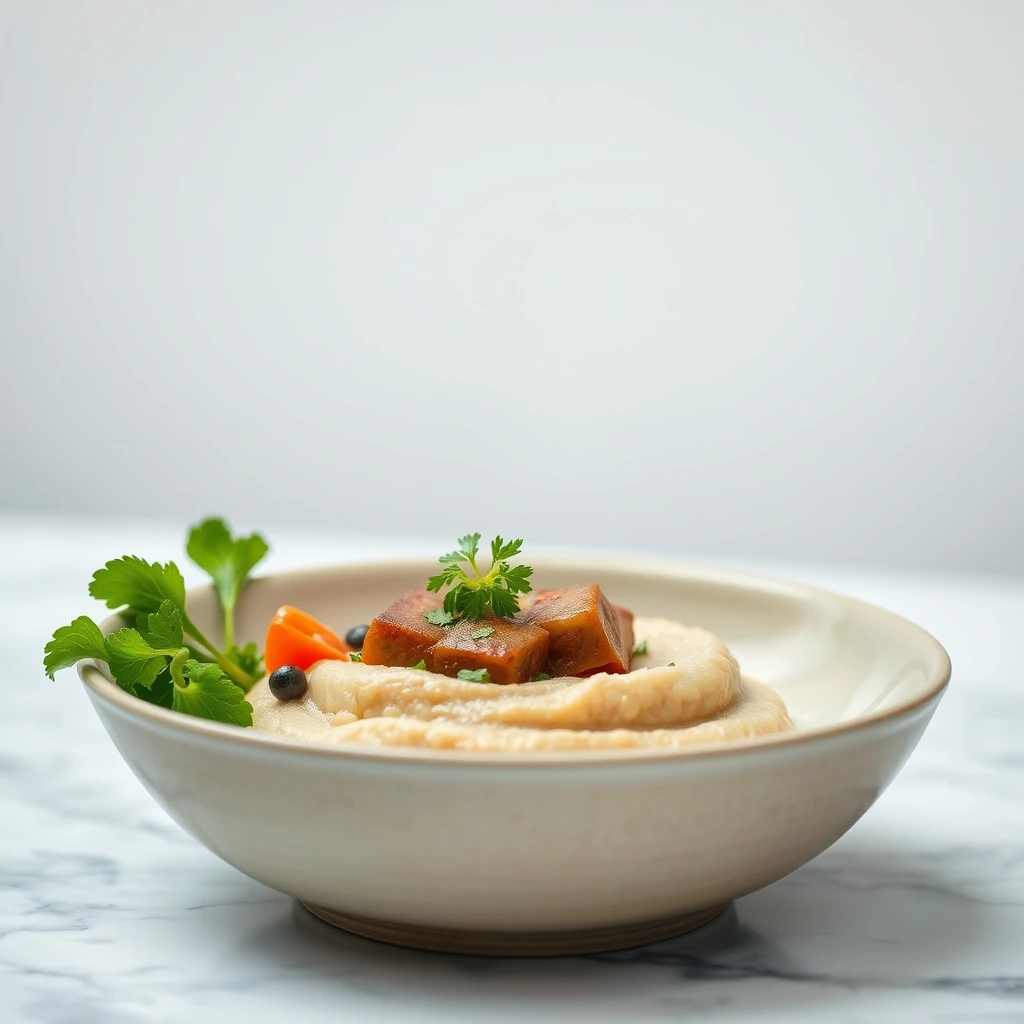
Bake the Treats: Arrange the shaped bites on the prepared baking sheet, leaving a small space between each one. Bake for 20-25 minutes, or until the bites are firm to the touch and slightly dry. They should not be overly crisp, but rather a soft, chewy texture. Baking time can vary depending on your oven and the size o
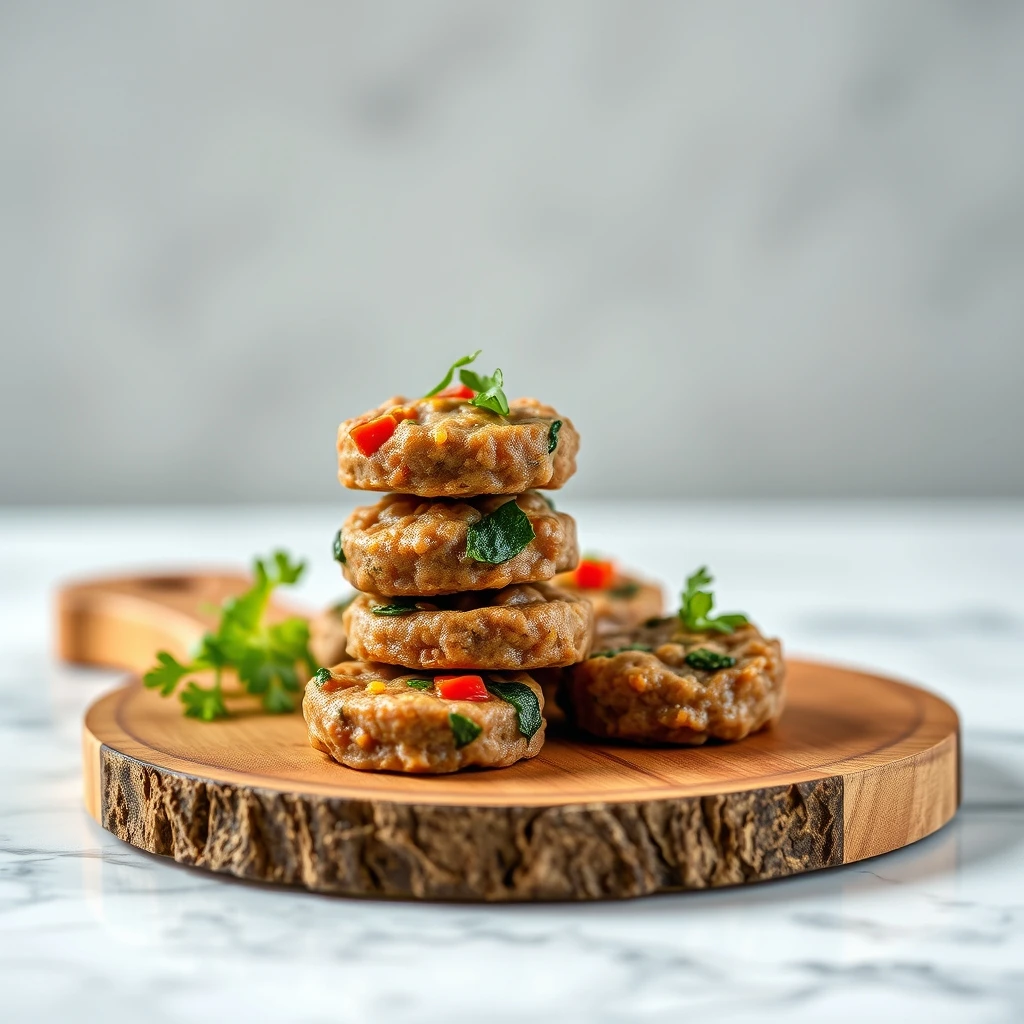
Cool and Store: Once baked, remove the baking sheet from the oven and transfer the bites to a wire cooling rack. Allow them to cool completely at room temperature before storing. Cooling thoroughly prevents moisture buildup, which can lead to spoilage. These treats will firm up a bit more as they cool.
Made this recipe?
Tap the paw so other pet parents know it’s worth making.
Be the first to make it
Tips & serving
These treats are intended as a supplement to your pet's regular diet, not a meal replacement. Offer them in moderation, adjusting the quantity based on your pet's size, activity level, and overall dietary needs. For very small pets, one or two bites might be sufficient for a reward. Always ensure fresh water is available. If you have any concerns about introducing new treats, particularly due to allergies or health conditions, please consult with your veterinarian.
- Excellent source of vitamins A, B, and iron from liver
- Provides dietary fiber and antioxidants from vegetables
- Soft texture, ideal for senior pets or those with dental issues
- High palatability makes them great for training rewards
- Easy to digest for sensitive stomachs
- For Extra Flavor: A very small pinch of dried parsley or dill can be added to the puree for an extra touch of freshness, if desired. Ensure it's a very small amount.
Storage
Freezing: For longer storage, freeze cooled treats in a single layer on a baking sheet until solid, then transfer to a freezer-safe bag or container. Thaw in the refrigerator overnight or microwave briefly before serving.
Substitutions
- Liver
While chicken and beef liver are recommended, duck or turkey liver can also be used. Always ensure it is cooked thoroughly.
- Vegetables
Feel free to experiment with other pet-safe vegetables like pumpkin (canned, plain puree), green peas, or zucchini. Always cook them until very soft.
- Flour
If your pet has sensitivities to oat or rice, you can try chickpea flour or a small amount of finely ground cooked sweet potato as a binder, adjusting the liquid as needed to achieve the right dough consistency.
Dogs, Cats recipe FAQ
Is this treat a complete meal for my dog?
Treat it as an occasional extra, not a meal plan. These treats are intended as a supplement to your pet's regular diet, not a meal replacement. Offer them in moderation, adjusting the quantity based on your pet's size, activity level, and overall dietary needs.
Is cooked liver (chicken or beef) okay for dogs?
This recipe uses cooked liver (chicken or beef) in a small, dog-appropriate amount. Skip it if your dog has a known sensitivity, and read the foods-to-avoid note on this page before serving.
How long does Soft & Savory Pureed Liver and Garden Veggie Bites for Dogs & Cats keep?
**Refrigeration:** Store cooled treats in an airtight container in the refrigerator for up to 5-7 days. **Freezing:** For longer storage, freeze cooled treats in a single layer on a baking sheet until solid, then transfer to a freezer-safe bag or container.
How should I introduce this treat?
Start with a taste-size portion next to your dog's usual food, and hold off on serving more until you have seen that it agrees with them.
Can I use raw liver for this recipe?
No, it is crucial to cook the liver thoroughly before pureeing to eliminate harmful bacteria and make it safer for your pet to consume.
My pet is allergic to grain. What can I use instead of oat or rice flour?
For grain-sensitive pets, chickpea flour is a good alternative. You could also try using a small amount of finely ground cooked sweet potato or pumpkin puree as a binder, adjusting the consistency as needed.
Sources