

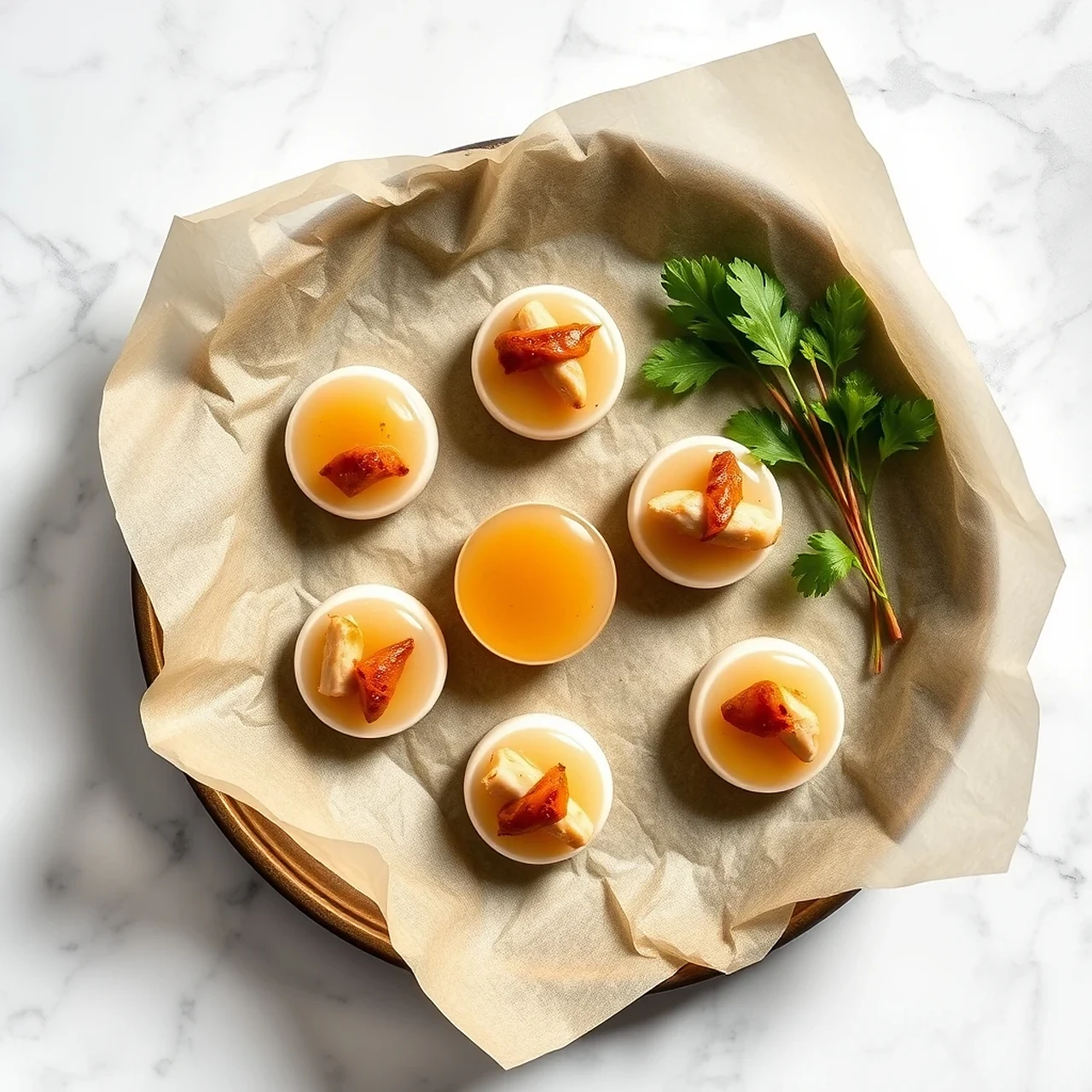
Making homemade treats for your pets is a rewarding way to ensure they're getting wholesome ingredients without any unwanted additives. These Savory Chicken Liver Gel Bites are a fantastic option, blending the rich nutritional benefits of chicken liver with the digestive support of gelatin into a soft, chewy texture that's irresistible to most dogs and cats. They're particularly wonderful for older pets or those with sensitive teeth, as the gel consistency is very easy to eat. Chicken liver is a powerhouse of vitamins and minerals, including iron, B vitamins, and Vitamin A, making it an excellent addition to your pet's diet in moderation. Gelatin, derived from collagen, can support joint health and digestion. Together, they create a treat that's not only delicious but also contributes positively to your pet's well-being. As with any dietary change or new treat, especially those involving rich ingredients like organ meats, it's always a good practice to discuss it with your veterinarian. This ensures the treats are appropriate for your individual pet's health needs and dietary requirements.
Safety first: Every dog is different: age, allergies, and health conditions all matter, so check with your vet when in doubt.
Foods to avoid
Never use flavored gelatin, as it often contains sugar, artificial sweeteners (like xylitol, which is highly toxic to dogs), and other ingredients harmful to pets. Avoid adding any spices, onions, garlic, chives, or other ingredients known to be toxic or irritating to dogs and cats.
Ingredients
Instructions
Prepare the Chicken Livers: Begin by thoroughly rinsing the chicken livers under cold running water. Carefully inspect each liver and trim away any visible green bile ducts, fatty deposits, or connective tissues. This step is important for both taste and safety, as bile can impart a bitter flavor and fatty bits might b
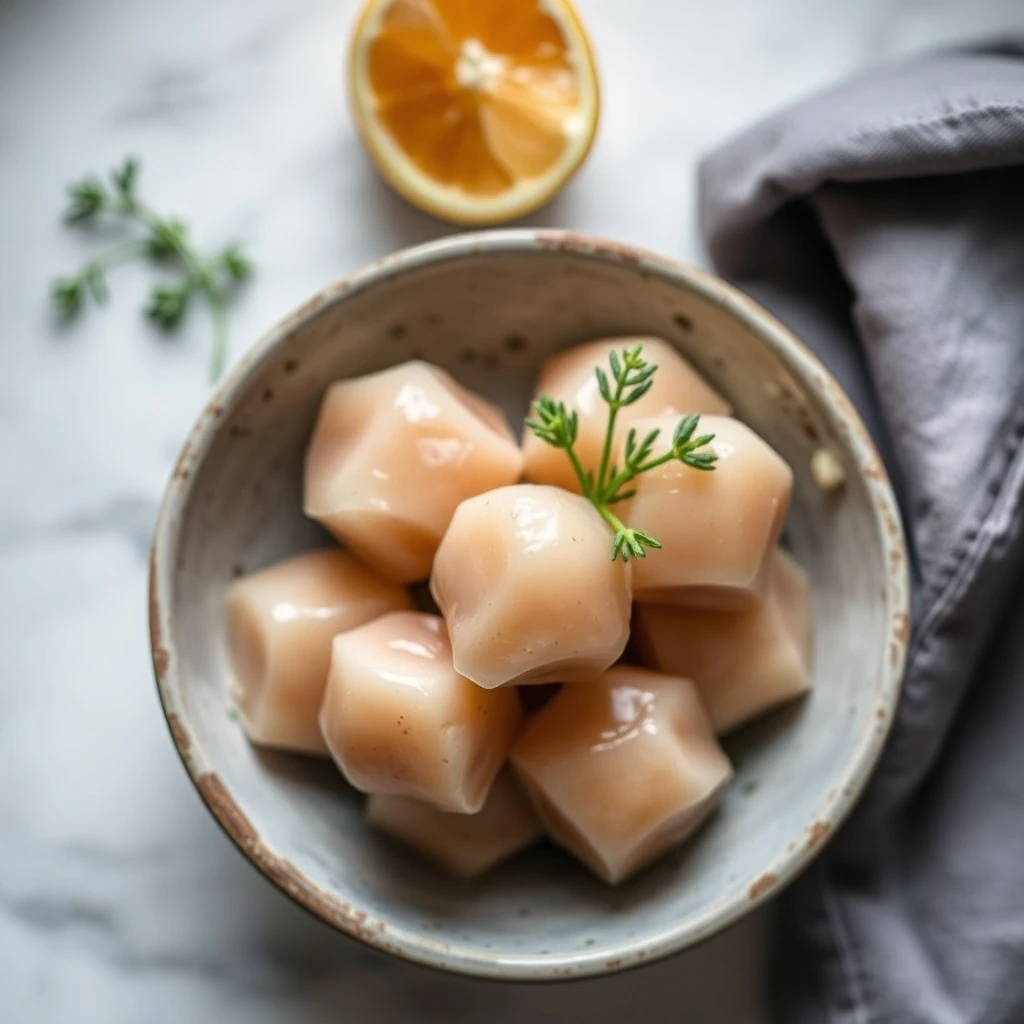
Simmer the Livers: Place the cleaned chicken livers in a medium saucepan and add enough filtered water to just cover them. Bring the water to a gentle simmer over medium heat. Reduce the heat to low, cover the pan, and let the livers simmer for about 8-10 minutes, or until they are cooked through and no longer pink ins
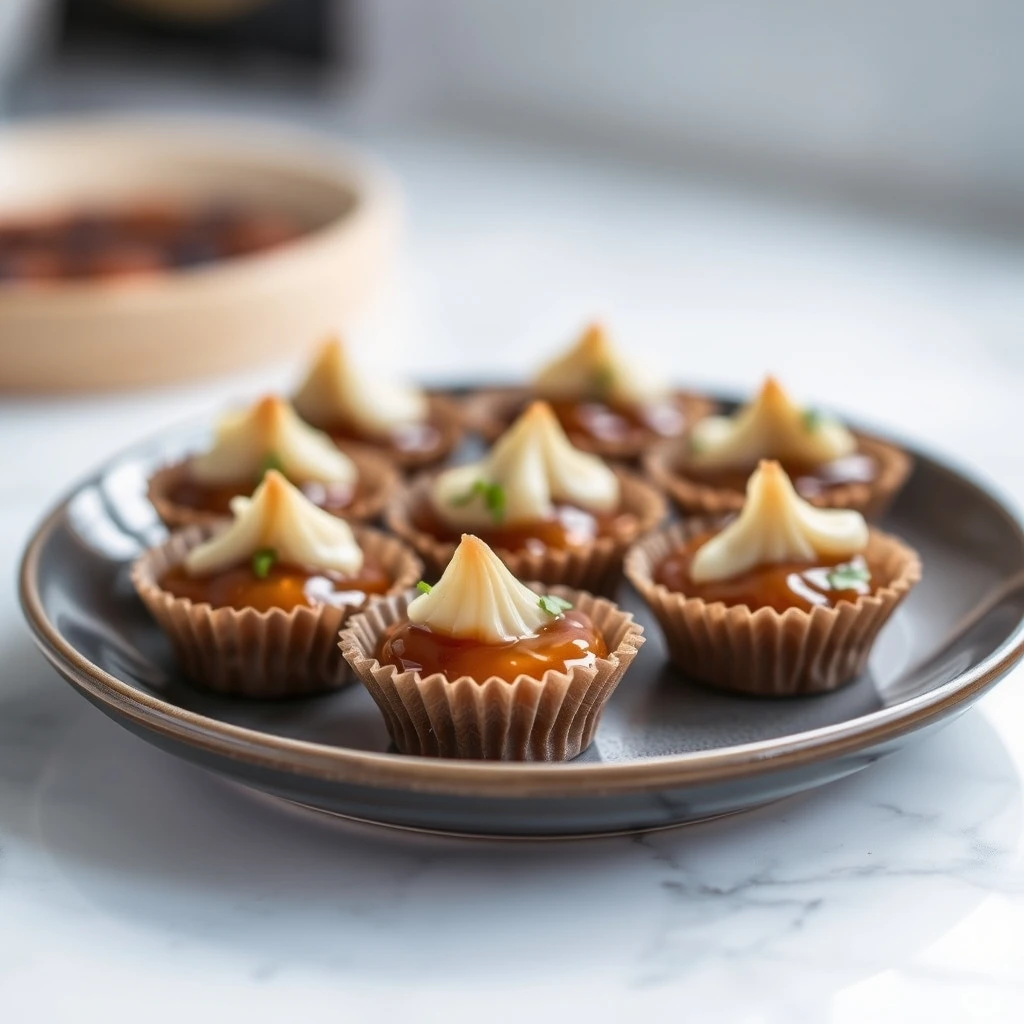
Blend Liver and Cooking Liquid: Carefully remove the cooked livers from the pan using a slotted spoon, reserving the cooking liquid. Transfer the cooked livers to a food processor or high-speed blender. Add 1 cup (235ml) of the reserved cooking liquid to the food processor. Blend until you achieve a very smooth, lump-f
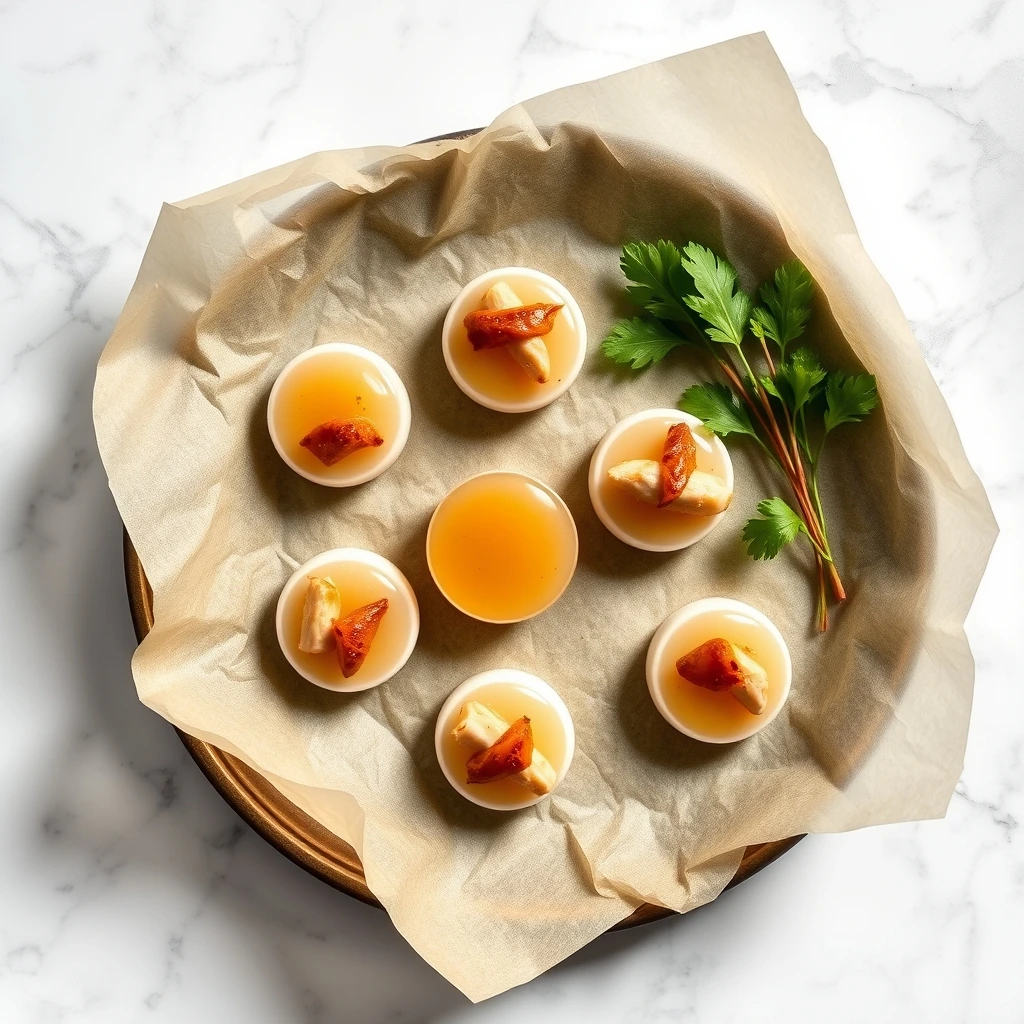
Bloom the Gelatin: In a small bowl, sprinkle the 4 tablespoons of unflavored gelatin powder over the remaining 1 cup (235ml) of *cold* filtered water. Allow it to sit undisturbed for 5-10 minutes. This process, called blooming, allows the gelatin granules to absorb the water and swell, which is essential for it to diss
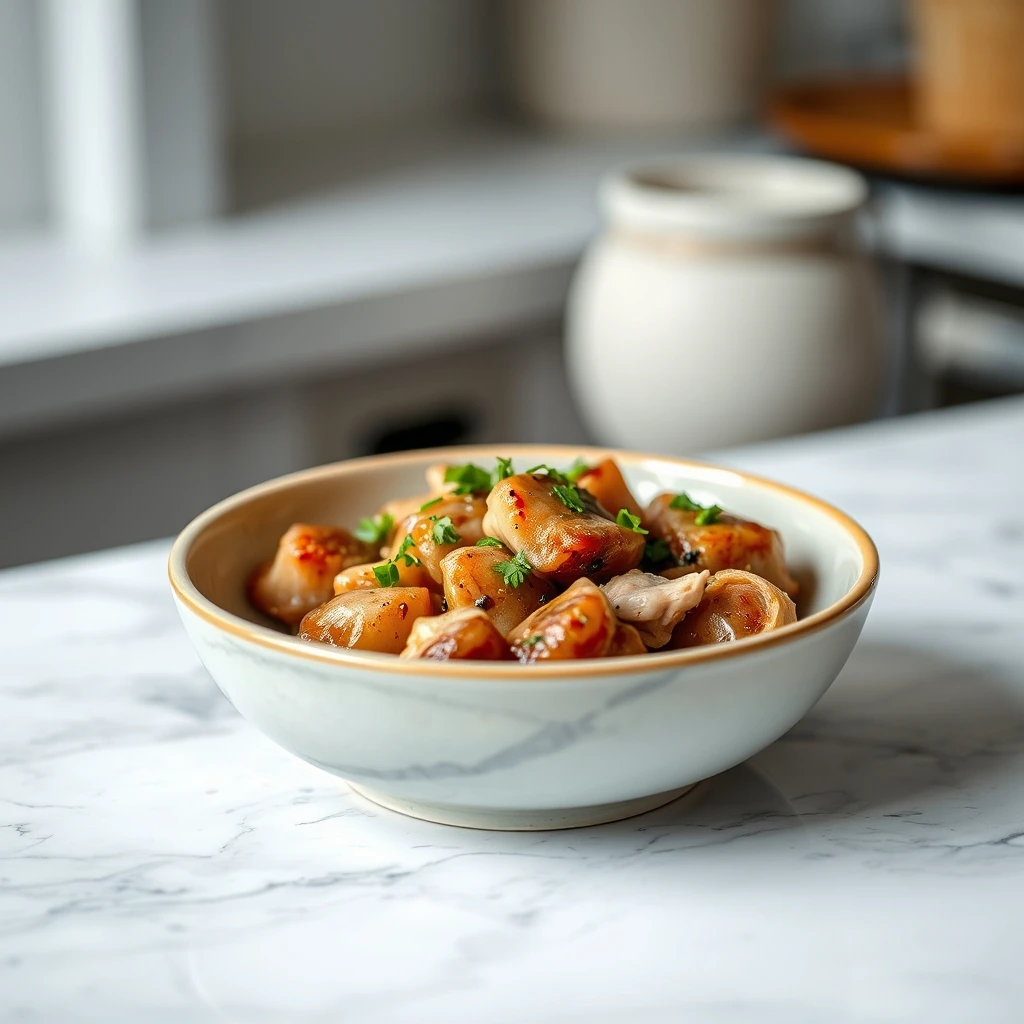
Combine and Dissolve: Once the gelatin has bloomed, it will look like a thick, wobbly mass. Gently heat the bloomed gelatin in a microwave for 10-15 seconds (or over a double boiler) until it becomes a clear liquid, being careful not to boil it. Immediately pour the dissolved gelatin into the warm chicken liver puree i
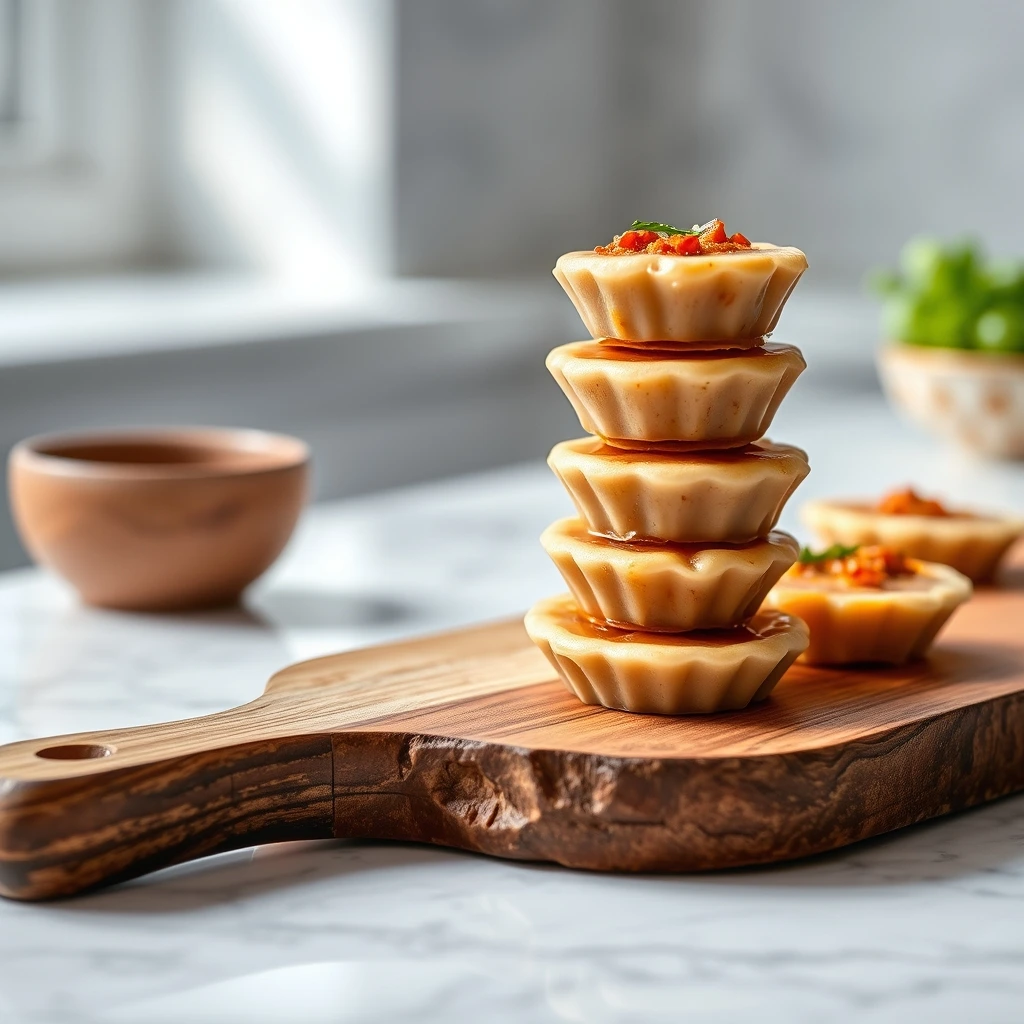
Pour into Molds and Chill: Carefully pour the combined liver and gelatin mixture into your silicone molds. Small, bite-sized molds are ideal as they create convenient, portion-controlled treats. Fill each cavity almost to the top. Transfer the filled molds to the refrigerator and chill for at least 1 hour, or until the
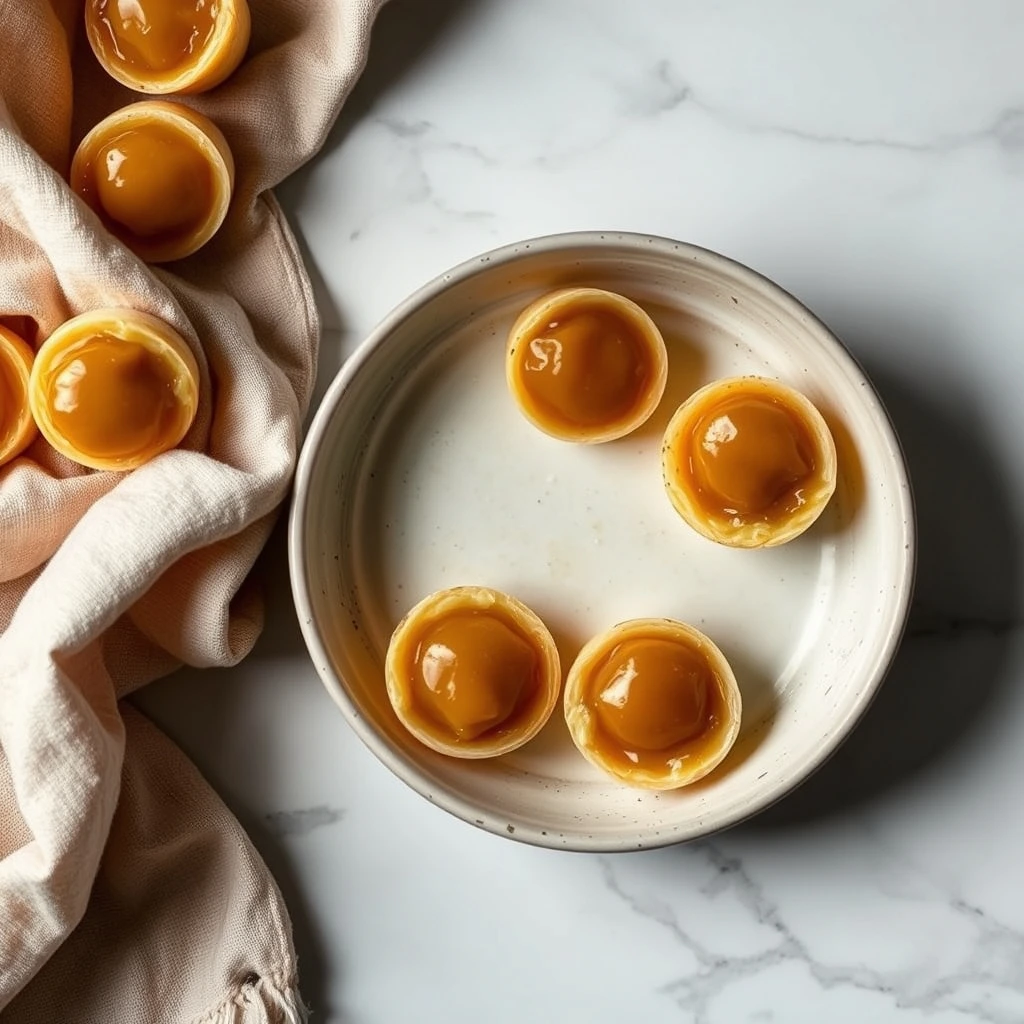
Unmold and Store: Once fully set, gently pop the savory gel bites out of the silicone molds. They should release easily. Arrange the finished treats in an airtight container. These bites are best stored in the refrigerator to maintain their texture and freshness. Proper storage prevents spoilage and keeps the treats at
Made this recipe?
Tap the paw so other pet parents know it’s worth making.
Be the first to make it
Tips & serving
These gel bites are treats and should be given in moderation. For small dogs and cats, 1-2 small bites per day may be sufficient. Larger dogs can have a few more, depending on their size and overall diet. Due to the richness of liver, excessive consumption can lead to an upset stomach. Always introduce new treats slowly and monitor your pet for any adverse reactions. Remember to account for these treats in your pet's daily caloric intake. Always consult your veterinarian before making significant changes to your pet's diet.
- Rich in essential vitamins and minerals from chicken liver
- Soft, easily digestible texture suitable for all ages, including puppies, kittens, and senior pets
- Excellent for training due to bite-sized format and high palatability
- Supports joint health and digestion through gelatin content
- Free from artificial colors, flavors, and preservatives found in many commercial treats
- For easier unmolding, briefly run the bottom of the silicone mold under warm water (for just a few seconds) before pressing out the bites.
Storage
For longer storage, freeze the gel bites in a single layer on a parchment-lined tray until solid, then transfer to a freezer-safe bag or container. Thaw in the refrigerator before serving.
Substitutions
- Meats
While chicken liver is highly nutritious, you can substitute it with other lean, cooked meats like chicken breast, turkey, or even beef liver. Always ensure the meat is cooked thoroughly and plain (no seasonings). Keep in mind that other organ meats should also be fed in moderation due to their richness.
- Broth
Instead of plain water for simmering and blooming, you can use homemade unsalted, unseasoned bone broth or chicken broth to add extra flavor and nutrients. Ensure it contains no onions, garlic, or other pet-toxic ingredients.
Dogs, Cats recipe FAQ
Can Savory Chicken Liver Gel Bites replace my dog's regular diet?
Treat it as an occasional extra, not a meal plan. These gel bites are treats and should be given in moderation. For small dogs and cats, 1-2 small bites per day may be sufficient. Larger dogs can have a few more, depending on their size and overall diet.
Can dogs have chicken liver?
This recipe uses chicken liver in a small, dog-appropriate amount. Skip it if your dog has a known sensitivity, and read the foods-to-avoid note on this page before serving.
How do I store this treat?
Store in an airtight container in the refrigerator for up to 5-7 days. For longer storage, freeze the gel bites in a single layer on a parchment-lined tray until solid, then transfer to a freezer-safe bag or container.
What's the safest way to try this with my dog?
Offer a small amount beside regular food, introduce one new recipe at a time, and watch appetite, stool, skin, and behavior for a day or two.
Can I use beef liver instead of chicken liver?
Yes, you can absolutely use beef liver. The process remains the same. Beef liver is also very nutrient-dense, but like chicken liver, it should be fed in moderation due to its richness.
Why is unflavored gelatin important?
Unflavored gelatin is crucial because flavored gelatins often contain sugars, artificial sweeteners (like xylitol, which is highly toxic to dogs), artificial colors, and other additives that are unsuitable or dangerous for pets. Plain, unflavored gelatin ensures a safe and natural treat.
Sources