
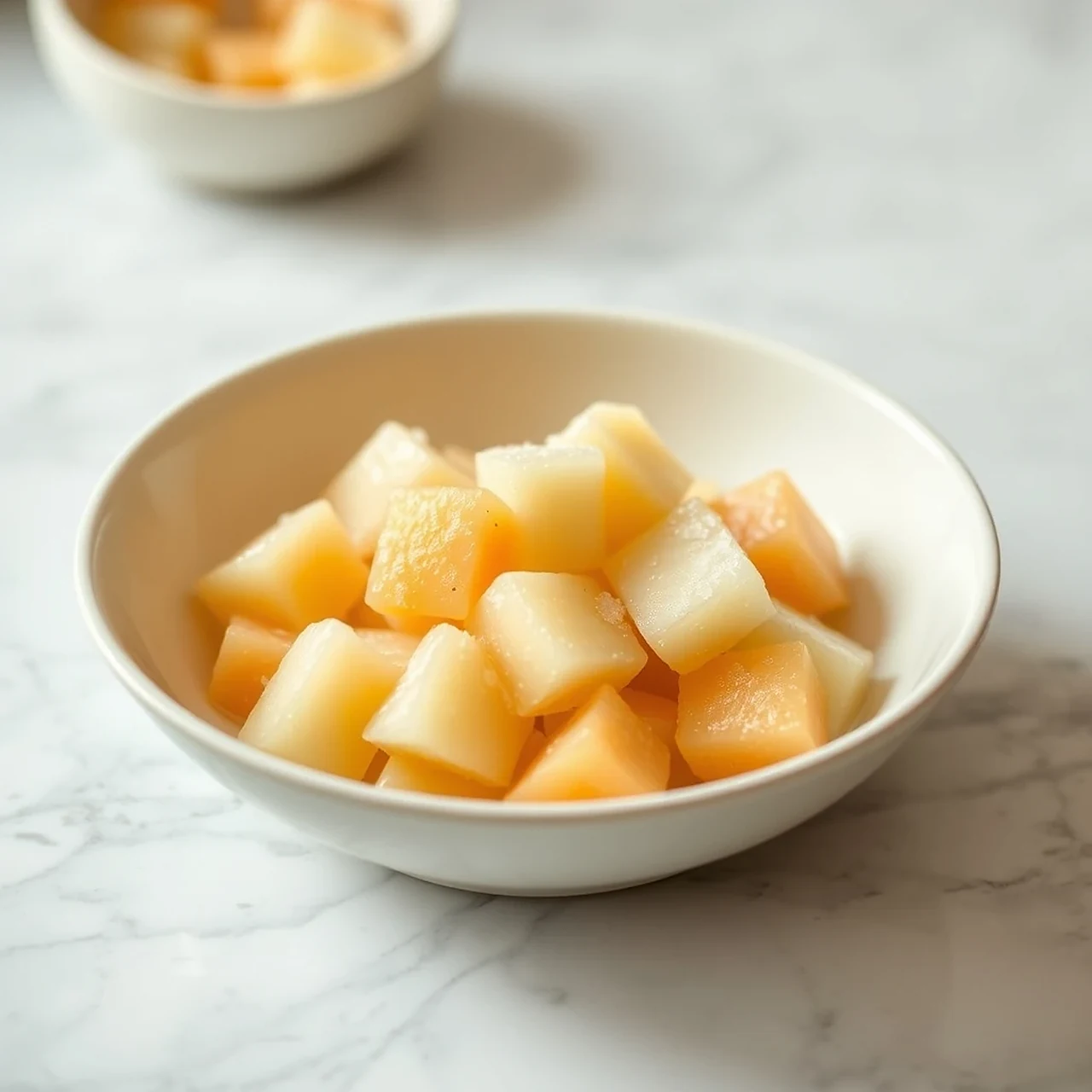
As the weather warms up, our beloved dogs and cats often appreciate a little extra something to help them stay cool and hydrated. These Frozen Goat Milk and Melon Cubes offer just that: a refreshing, creamy, and naturally sweet treat that's easy to make and a joy for them to savor. We've carefully crafted this recipe to be both delicious and beneficial, using simple, wholesome ingredients you can trust. Goat milk is often lauded for its digestibility and nutrient profile, while melon provides essential hydration and a touch of natural sweetness. Making homemade treats like these allows you to control exactly what goes into your pet's diet, avoiding artificial additives, excessive sugars, or preservatives often found in commercial options. It's a wonderful way to show your furry family members some extra love, especially when they need a little pick-me-up during warmer days. Remember, even healthy treats should be given in moderation and as part of a balanced diet. If your pet has any dietary sensitivities or health conditions, or if you plan to make significant changes to their regular food intake, it's always wise to have a conversation with your veterinarian first.
Safety first: Start with a small portion beside your dog's usual food and confirm bigger diet changes with your veterinarian.
Foods to avoid
Never use flavored or sweetened goat milk, as these often contain added sugars, artificial flavors, or even xylitol, which is highly toxic to dogs. Always remove all seeds and rind from the melon. Do not use overripe or moldy fruit. Avoid feeding these treats if your pet has a known dairy sensitivity, even to goat milk. If your pet shows any signs of digestive upset after consuming these treats, discontinue use immediately.
Ingredients
Instructions
Prepare the Melon: Carefully wash your chosen melon (cantaloupe or watermelon). Cut it in half, then scoop out all seeds. Discard the rind completely, as it can be difficult for pets to digest and may pose a choking hazard. Cut the melon flesh into roughly 1-inch chunks so it is easier to blend smoothly.
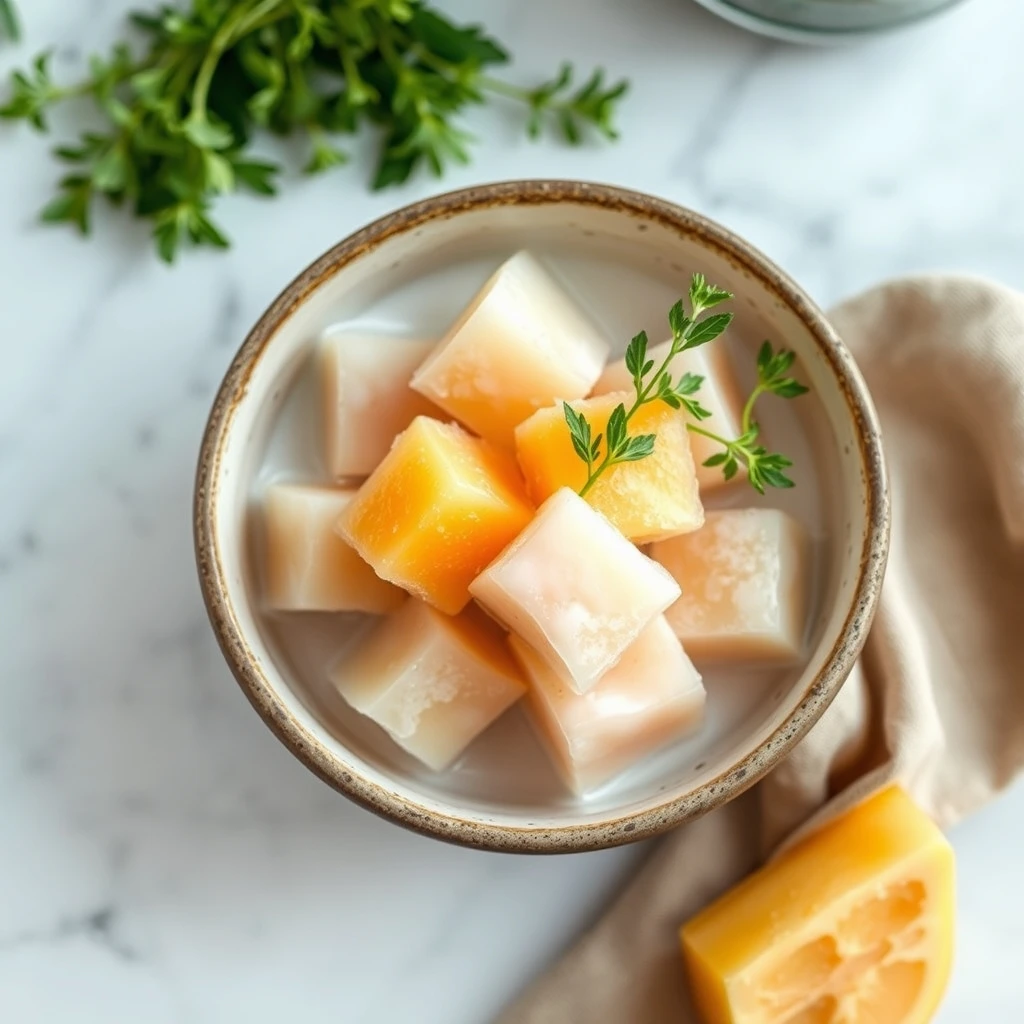
Puree the Melon: Place the prepared melon chunks into a blender or food processor. Blend on high until the melon forms a smooth puree. There should be no large chunks left, ensuring a consistent texture for the treats. A smooth puree helps in even freezing and prevents separation.
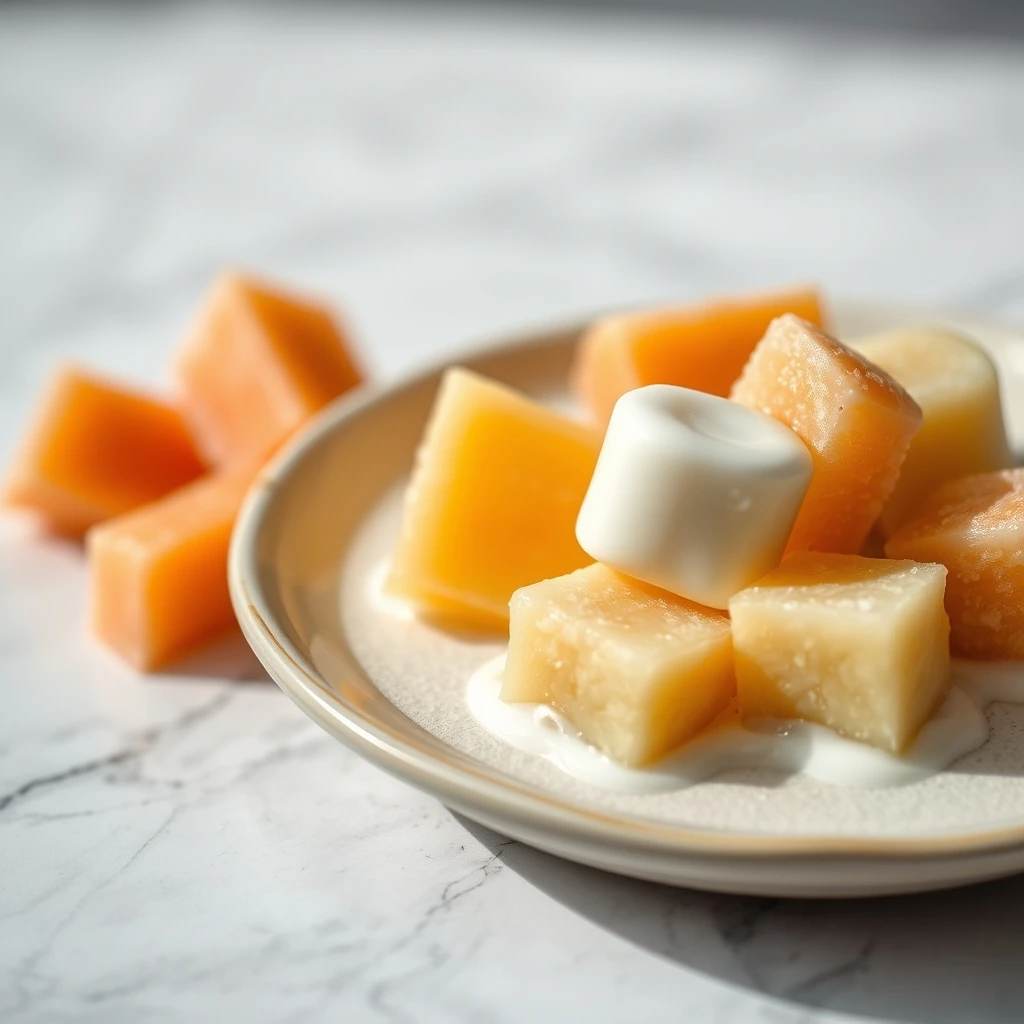
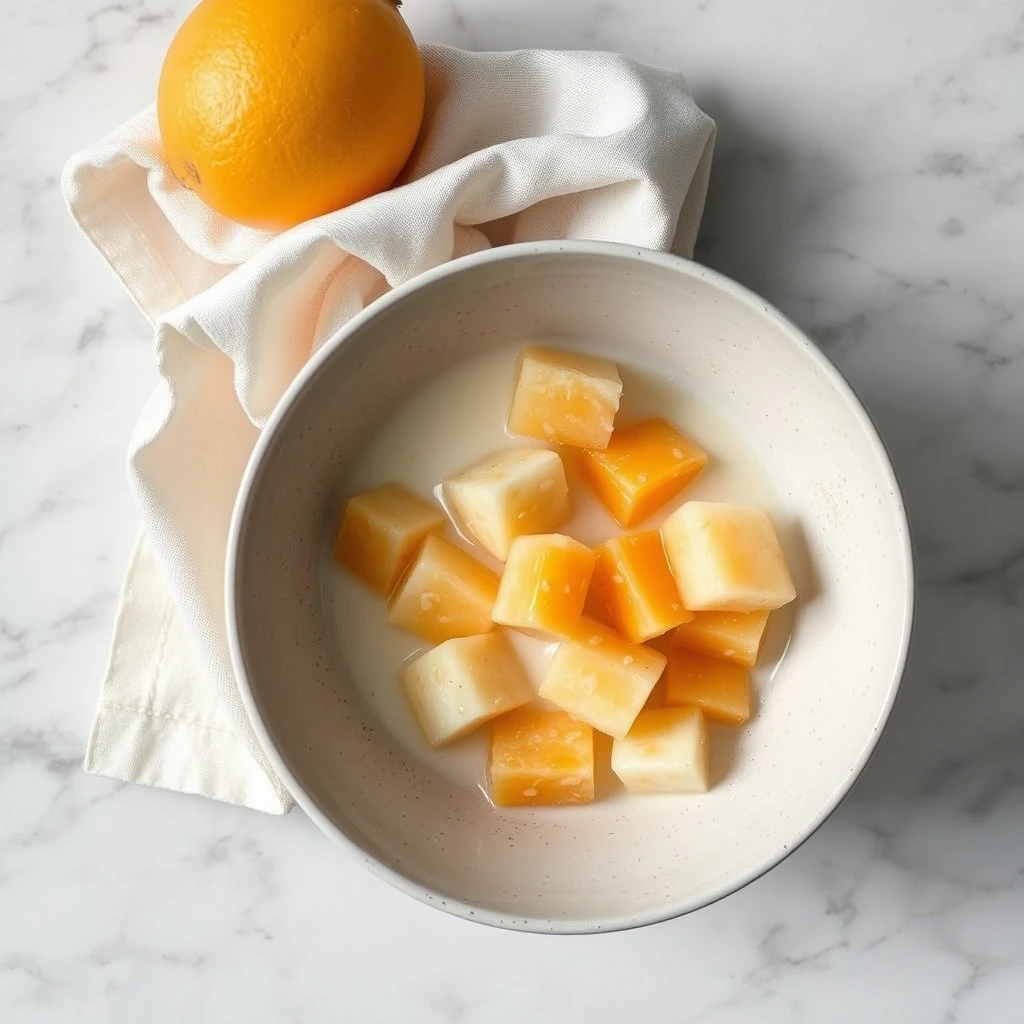
Combine Ingredients: Pour the smooth melon puree into a mixing bowl. Add the plain, unsweetened goat milk to the bowl. Stir the mixture well with a spatula or spoon until the melon puree and goat milk are thoroughly combined, creating a uniform, pale orange or pink liquid depending on your melon choice.
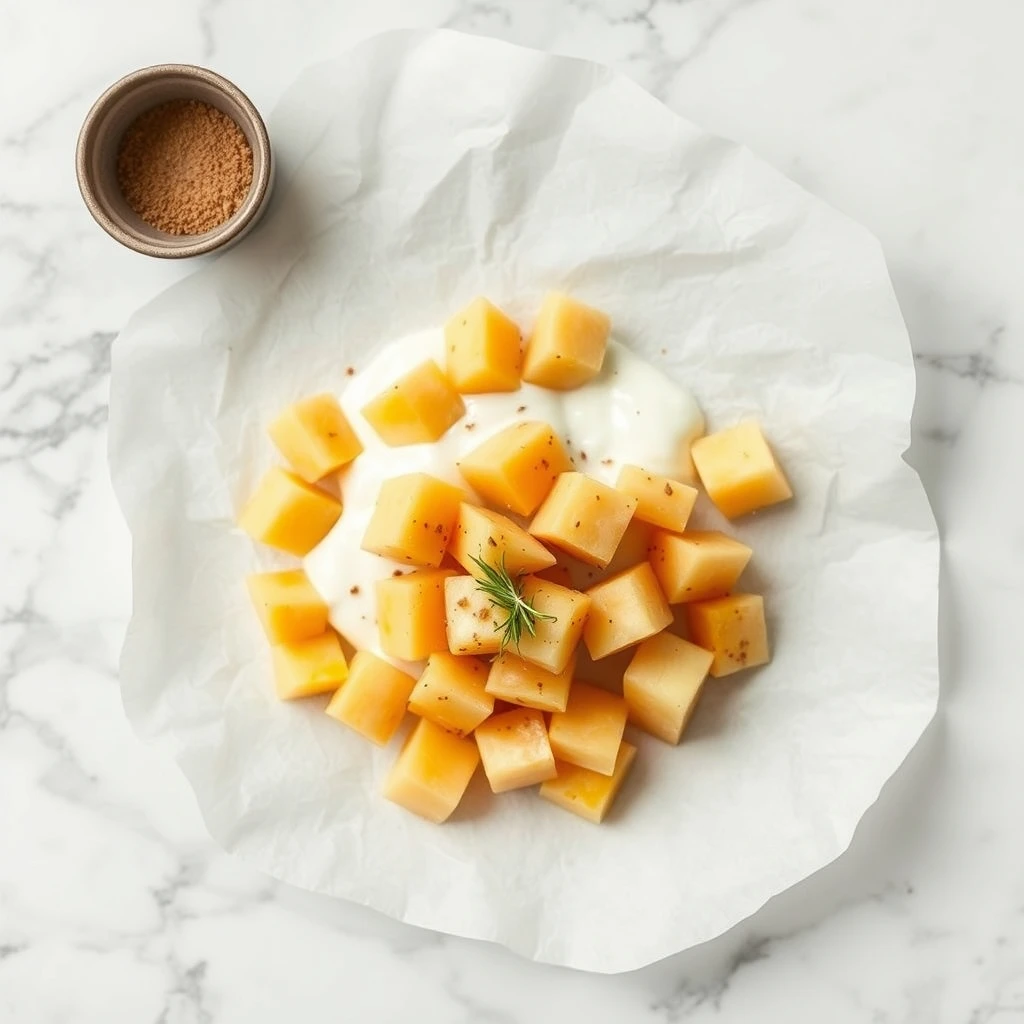
Fill Ice Cube Trays: Carefully pour the goat milk and melon mixture into clean ice cube trays. Fill each compartment almost to the top, leaving a small space for expansion during freezing. Using silicone trays can make it much easier to pop out the frozen cubes later.
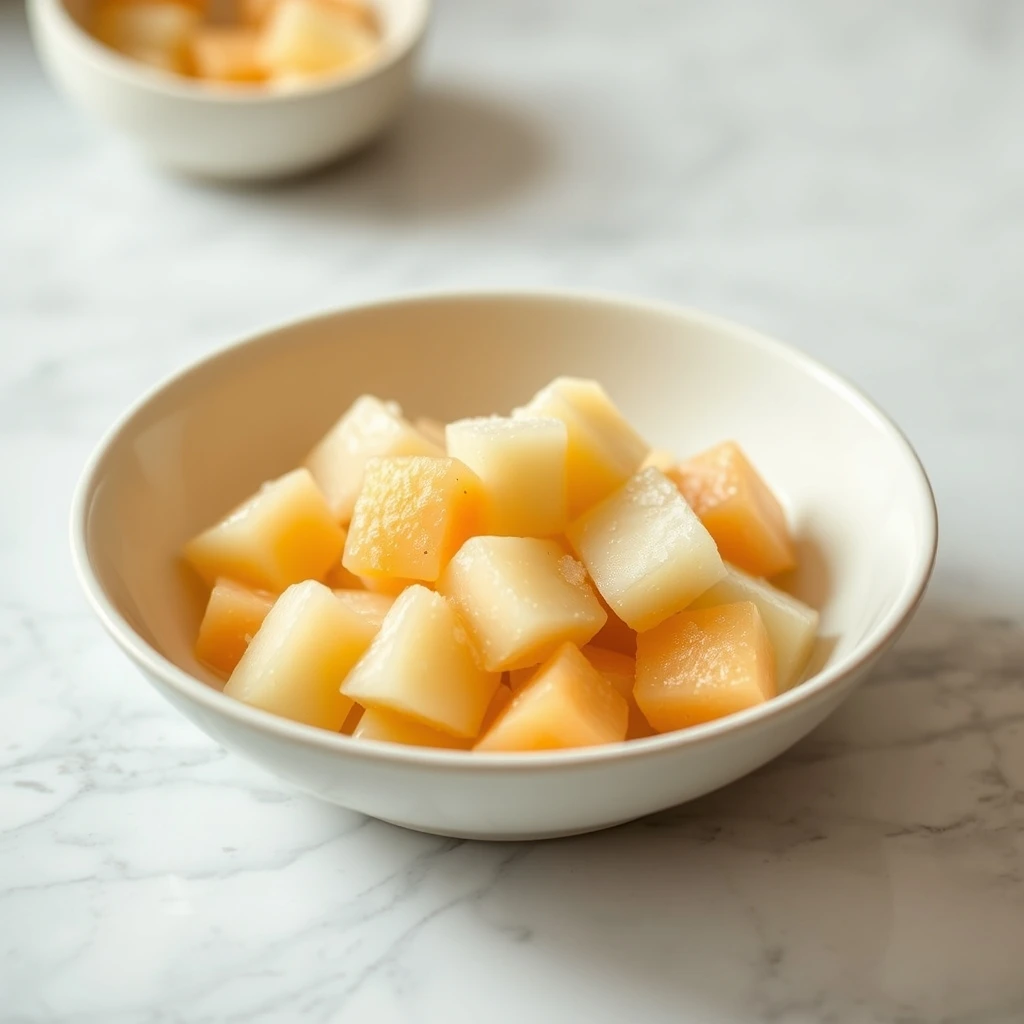
Freeze Until Solid: Place the filled ice cube trays flat in the freezer. Allow them to freeze completely until solid, which typically takes at least 3-4 hours. Freezing thoroughly ensures the treats hold their shape and provide a long-lasting cool sensation for your pet.
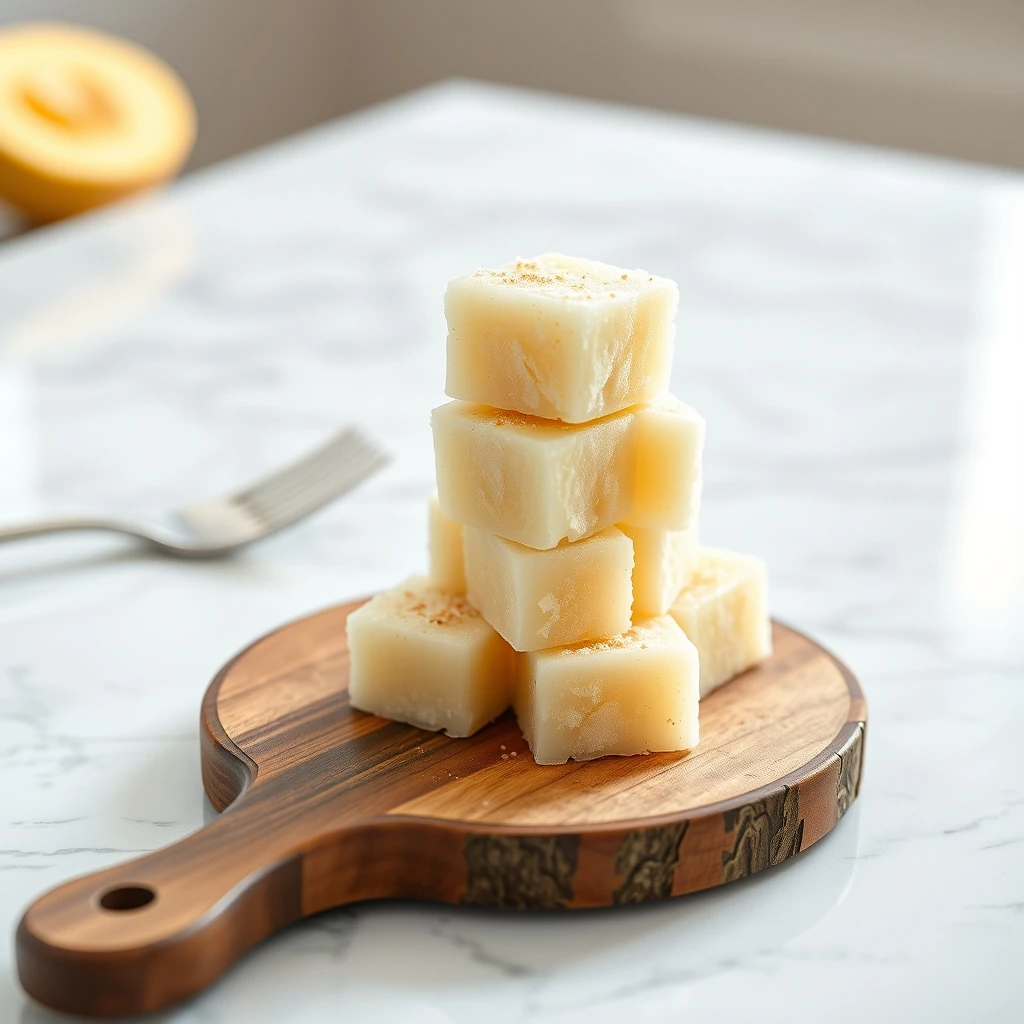
Remove and Store: Once the cubes are fully frozen, remove them from the trays. If using silicone trays, simply pop them out. For traditional plastic trays, you might need to twist them gently. Transfer the frozen cubes into an airtight, freezer-safe container or a resealable freezer bag for long-term storage.
Made this recipe?
Tap the paw so other pet parents know it’s worth making.
Be the first to make it
Tips & serving
These treats are best served chilled and in moderation. For small dogs and cats, one or two small cubes per day can be a refreshing snack. Larger dogs might enjoy up to 3-4 cubes. Always observe your pet's reaction when introducing new foods. Ensure the treats are small enough to be safely consumed without posing a choking risk. Remember, treats should not make up more than 10% of your pet's daily caloric intake. As always, any significant changes to your pet's diet should be discussed with your veterinarian.
- Provides excellent hydration during warm weather
- Offers a natural and refreshing cool treat
- Goat milk may aid in digestion for some pets
- Made with simple, wholesome ingredients
- Helps keep pets entertained and cool
- For very small pets, consider using smaller silicone molds (like those for mini chocolates) to create bite-sized treats.
Storage
Store frozen cubes in an airtight, freezer-safe container or bag.
Substitutions
- Melon
While cantaloupe and watermelon are excellent choices, honeydew melon is also safe for pets. Always remove seeds and rind.
- Milk
If goat milk is unavailable or your pet prefers otherwise, you can substitute with plain, unsweetened kefir or even water for a simpler, less creamy treat. Ensure any substitute milk is plain and free of artificial sweeteners.
- Other fruits
A small amount of other pet-safe fruits like blueberries or strawberries (pureed) could be added for flavor variations, but always research safety first.
Dogs, Cats recipe FAQ
Can Frozen Goat Milk and Melon Cubes replace my dog's regular diet?
Treat it as an occasional extra, not a meal plan. These treats are best served chilled and in moderation. For small dogs and cats, one or two small cubes per day can be a refreshing snack. Larger dogs might enjoy up to 3-4 cubes.
Can dogs have goat milk?
This recipe uses goat milk in a small, dog-appropriate amount. Skip it if your dog has a known sensitivity, and read the foods-to-avoid note on this page before serving.
How should I store leftovers?
Store frozen cubes in an airtight, freezer-safe container or bag. They can be kept in the freezer for up to 2-3 months.
What's the safest way to try this with my dog?
Offer a small amount beside regular food, introduce one new recipe at a time, and watch appetite, stool, skin, and behavior for a day or two.
Can I use other types of milk?
Plain, unsweetened kefir is generally a safe alternative to goat milk. Regular cow's milk can cause digestive upset in some pets due to lactose, so it's generally best to avoid or use with caution and in very small amounts. Always ensure any milk product is plain and free of artificial sweeteners.
Is goat milk truly safe for all pets?
Goat milk is often considered easier to digest than cow's milk for many pets due to its smaller fat globules and lower lactose content. However, individual sensitivities vary. Introduce it slowly and observe your pet for any signs of digestive upset. Consult your vet if you have concerns.
Sources