
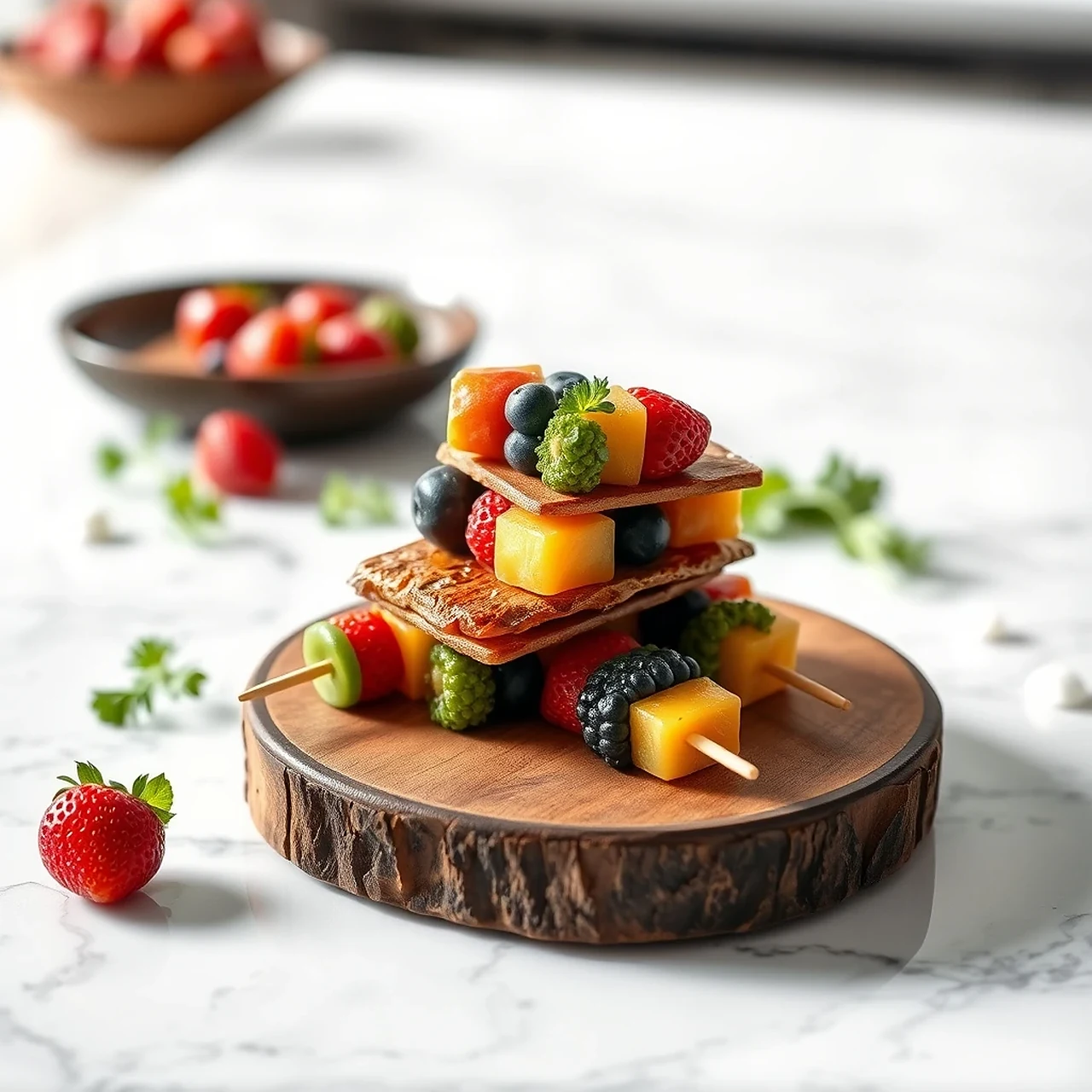
Providing enrichment is a cornerstone of responsible pet care, helping to satisfy natural instincts and keep our companions mentally and physically active. For many small pets, birds, and rabbits, this often means encouraging foraging behaviors, which are vital for their well-being. These Fresh Fruit & Veggie Enrichment Skewers are designed to do just that, transforming everyday healthy produce into an interactive and exciting mealtime activity. This recipe offers a practical way to present a variety of fresh, wholesome ingredients that are beneficial for your pet's diet. It is not just about nutrition; it is about the joy of discovery and the satisfaction of working for a reward. Carefully selected fruits and vegetables provide essential vitamins, minerals, and hydration, while the skewer format encourages natural pecking, gnawing, and pulling. Before introducing any new food item, especially for pets with sensitive digestive systems, it is always wise to observe their initial reactions. While the ingredients listed here are generally considered safe, every pet is unique. Always discuss any major dietary changes or concerns with your veterinarian to ensure they are appropriate for your specific pet's health needs.
Safety first: Offer a small taste the first time and watch your bird for any tummy upset before serving more.
Foods to avoid
Never use avocado, onion, garlic, chocolate, caffeine, or fruit pits/seeds (other than berry seeds) as these are toxic to many pets. Avoid processed foods, sugary treats, or anything containing artificial colors or preservatives. Remember, a pet's digestive system is delicate. If you observe any unusual behavior or digestive upset after offering new foods, consult your veterinarian immediately.
Ingredients
Instructions
Gather and Wash Ingredients: Begin by gathering all your fresh, organic fruits and vegetables. Thoroughly wash them under cool running water using a produce wash or by gently scrubbing to remove any dirt, pesticides, or waxes. This step is crucial for pet safety, as pets are more sensitive to residues than humans.
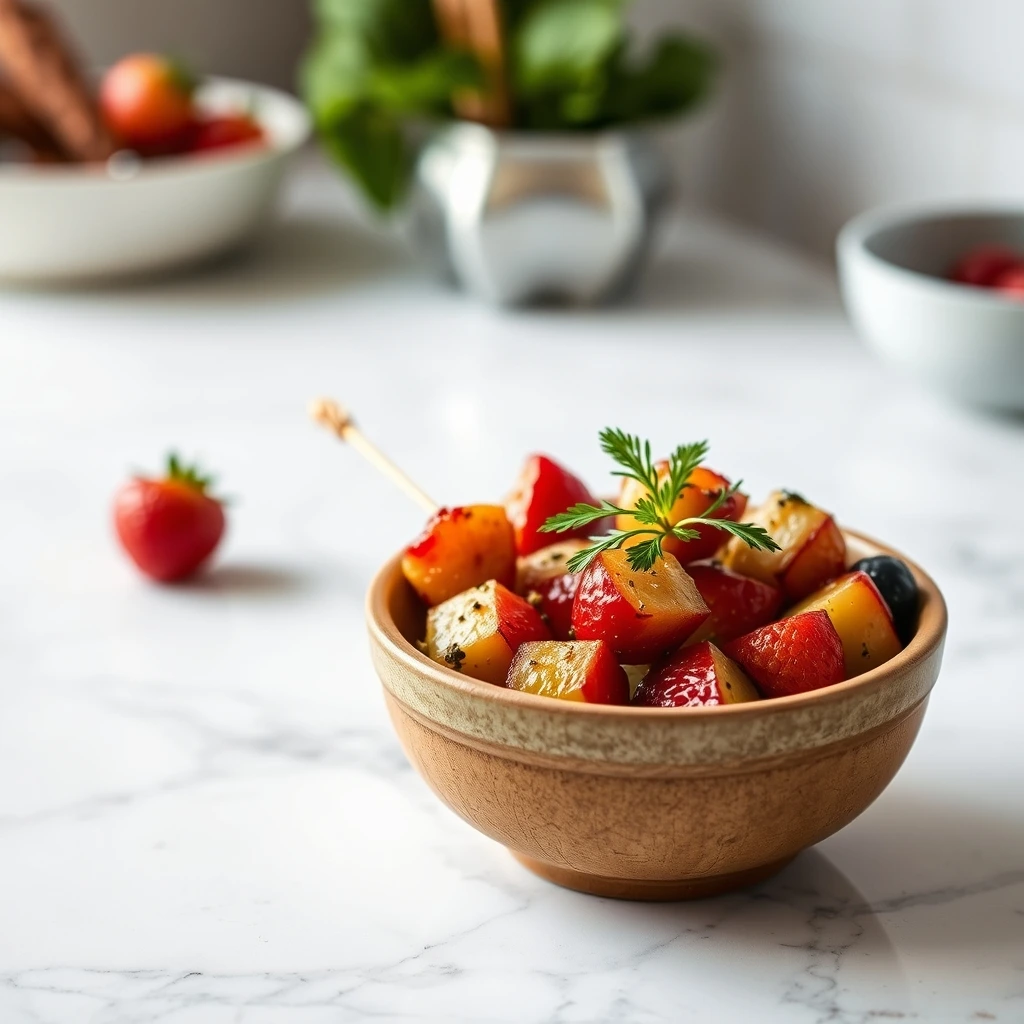
Prepare Produce Safely: Carefully prepare each ingredient. Peel the carrot and cut it into 1/2-inch rounds or sticks. For the apple, remove the core and all seeds, then cut it into 1/2-inch cubes; apple seeds contain cyanide and must be fully removed. Cut broccoli into small, bite-sized florets. Remove seeds from bell
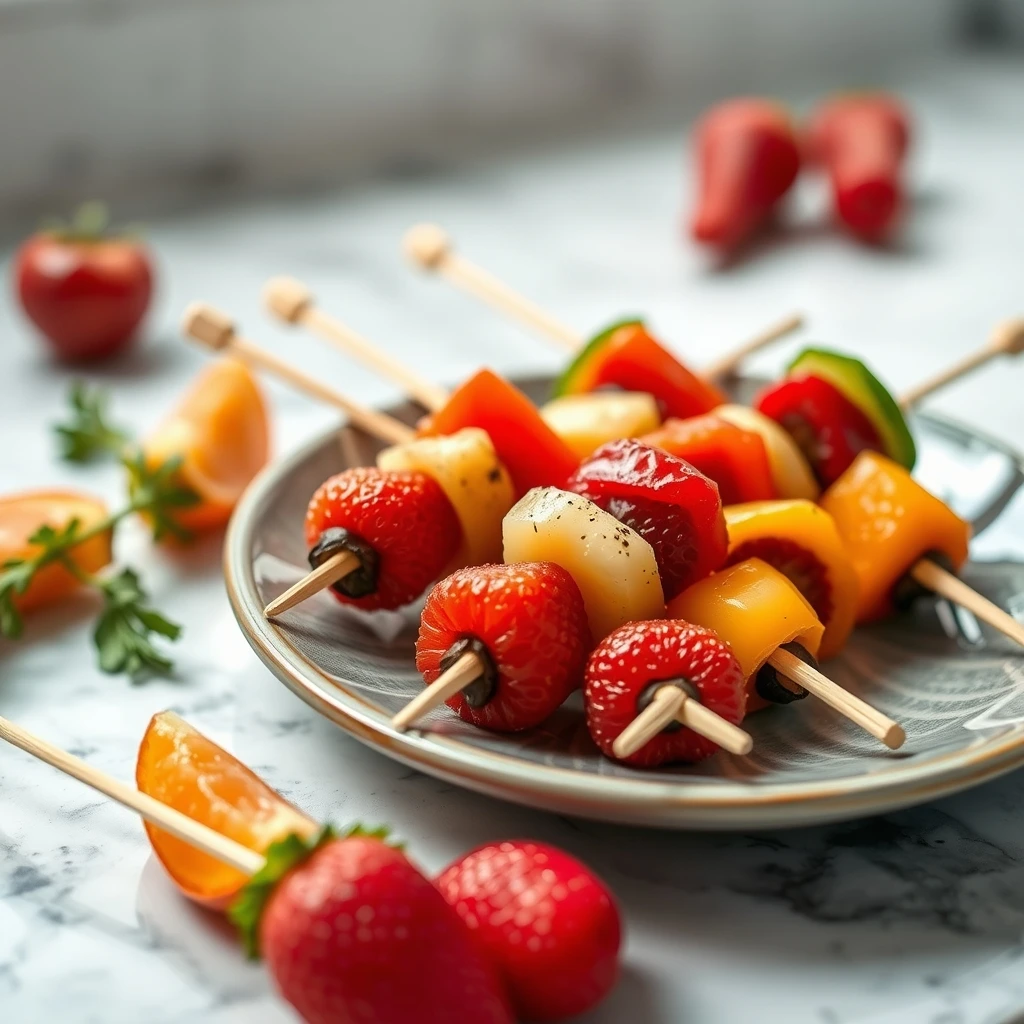
Select Skewer Base: Choose your skewer base. For birds and small pets, untreated natural wood dowels or branches (like willow or apple tree branches, ensuring they are pet-safe and free of pesticides) work wonderfully. For rabbits, a thick, clean sisal rope can also be used, allowing for a hanging enrichment toy. Avoid
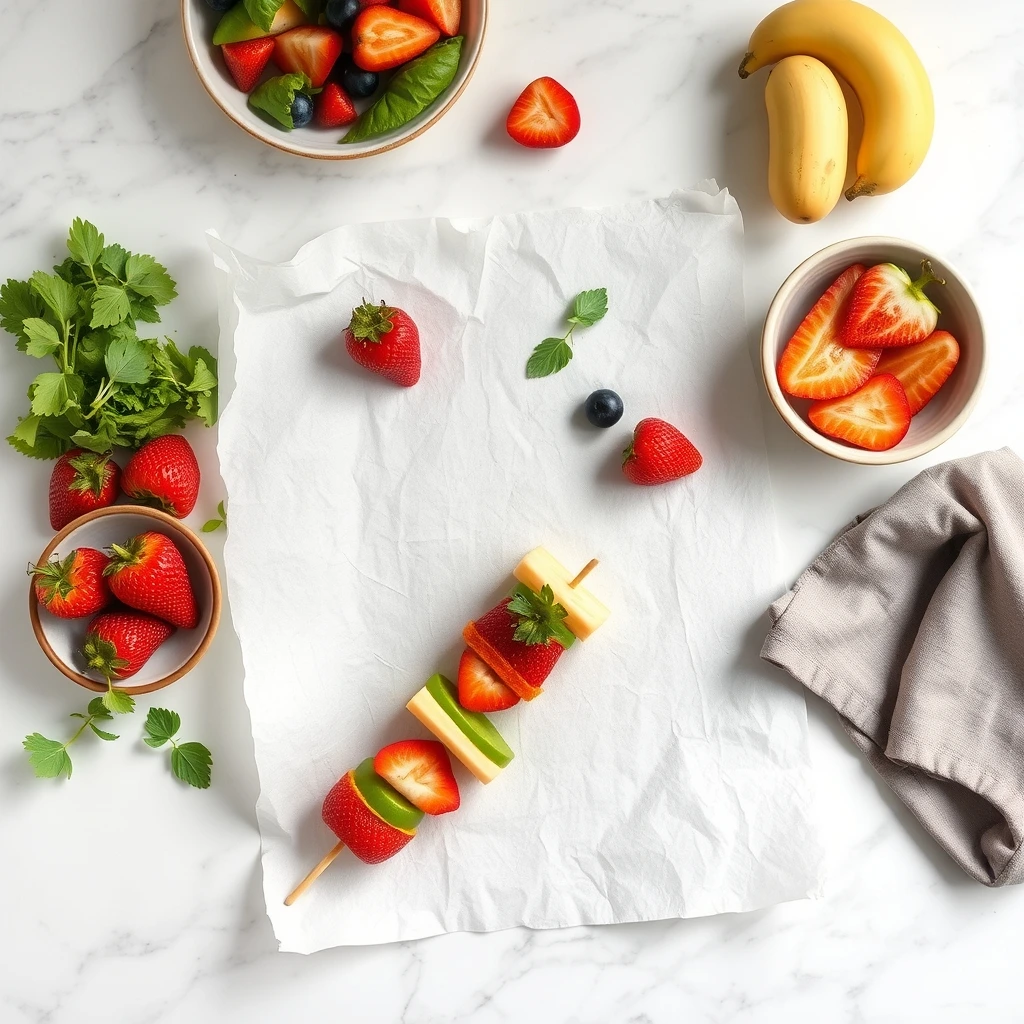
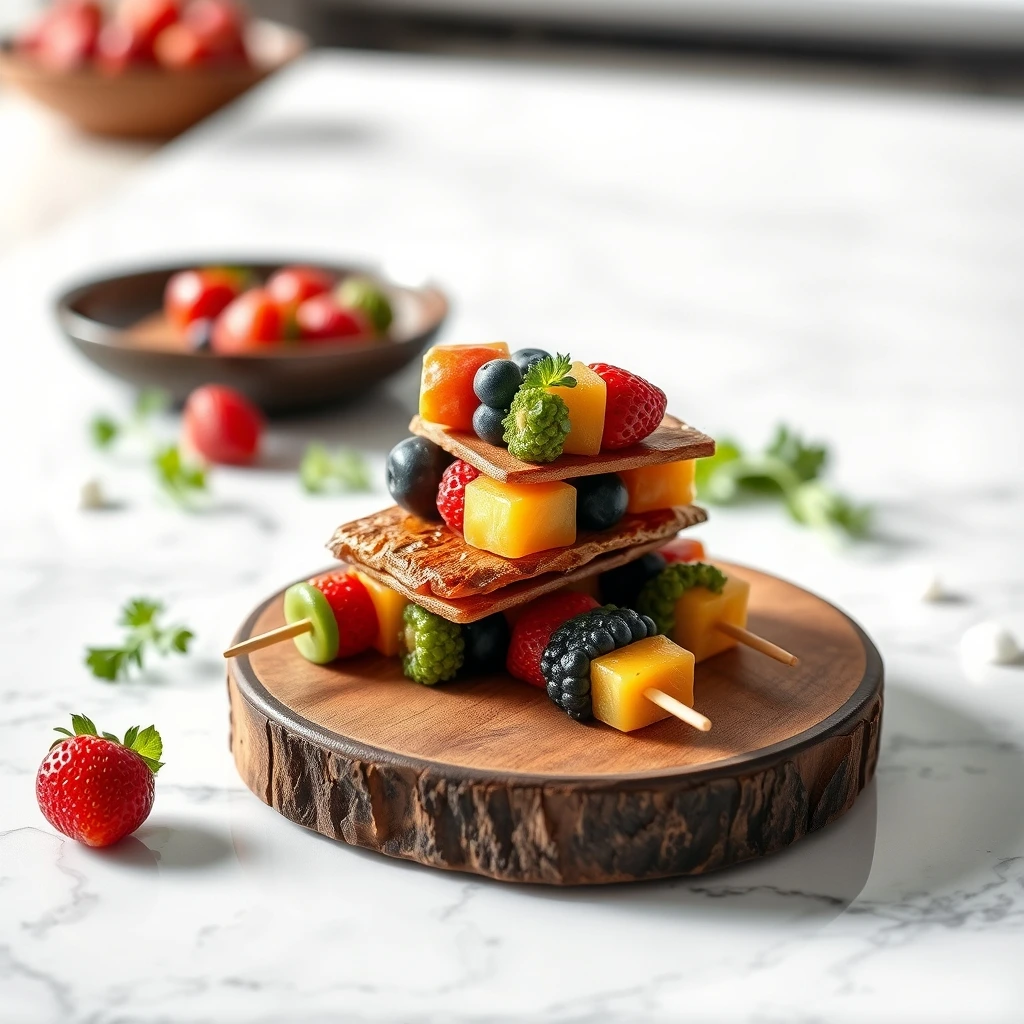
Assemble the Skewers: Carefully thread the prepared fruit and vegetable pieces onto your chosen skewer base. Alternate colors and textures to make it visually appealing and mentally stimulating for your pet. Ensure there is enough space between pieces for your pet to easily grip and pull at the individual items. Do not
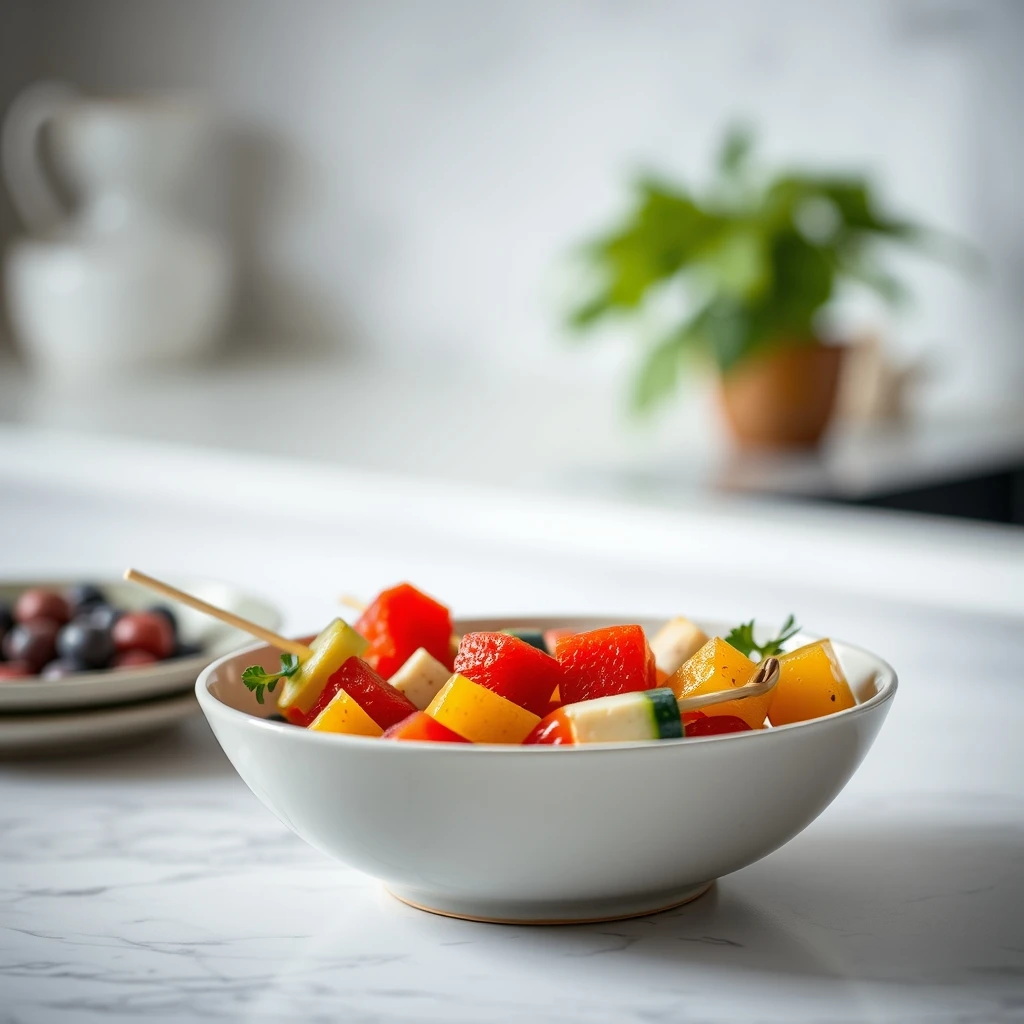
Present to Your Pet: Once assembled, present the enrichment skewer to your pet. For birds, hang it securely in their cage where they can easily reach it. For rabbits and small pets, you can hang it or place it in a sturdy holder or directly in their enclosure where they can comfortably access it without it rolling away
Made this recipe?
Tap the paw so other pet parents know it’s worth making.
Be the first to make it
Tips & serving
Offer one skewer per pet, 2-3 times per week as a supplement to their regular diet. Always supervise your pet, especially when first introducing the skewer, to ensure safe interaction and consumption. Remove any uneaten portions after a few hours to prevent spoilage and bacterial growth, particularly in warmer environments.
- Promotes natural foraging and chewing behaviors
- Provides mental stimulation and prevents boredom
- Offers essential vitamins, minerals, and hydration
- Encourages physical activity as pets interact with the skewer
- Adds variety and excitement to daily meals
- Vary the fruits and vegetables you use each time to keep things interesting and provide a broader spectrum of nutrients.
Storage
Assembled skewers should be offered fresh and any uneaten portions discarded after a few hours.
Substitutions
- For birds
Try small pieces of melon, grapes (halved), or cooked sweet potato (cooled).
- For rabbits
Add fresh herbs like parsley or cilantro, or small pieces of dandelion greens (ensure pesticide-free). For small pets (like guinea pigs, hamsters): Offer tiny pieces of kale, romaine lettuce (in moderation), or pear (peeled, seeds removed). Always verify the safety of any new ingredient for your specific pet species before offering.
Birds, Rabbits, Small Pets recipe FAQ
Is this enrichment snack a complete meal for my bird?
Treat it as an occasional extra, not a meal plan. Offer one skewer per pet, 2-3 times per week as a supplement to their regular diet. Always supervise your pet, especially when first introducing the skewer, to ensure safe interaction and consumption.
Can birds have assorted fresh fruits and vegetables?
This recipe uses assorted fresh fruits and vegetables in a small, bird-appropriate amount. Skip it if your bird has a known sensitivity, and read the foods-to-avoid note on this page before serving.
How do I store this enrichment snack?
Prepared but unskewered fruits and vegetables can be stored in an airtight container in the refrigerator for up to 2 days. Assembled skewers should be offered fresh and any uneaten portions discarded after a few hours.
What's the safest way to try this with my bird?
Offer a small amount beside regular food, introduce one new recipe at a time, and watch appetite, stool, skin, and behavior for a day or two.
How often can I offer these skewers?
These skewers are best offered as an enrichment treat 2-3 times a week, complementing your pet's primary diet of pellets, hay, or seeds. They should not replace their main food source.
What if my pet ignores the skewer?
Some pets are cautious with new things. Try placing the skewer in a different spot, or initially include more of their absolute favorite foods. Patience and persistence are key. You can also try offering a single piece of a favorite food from the skewer by hand first.
Sources