
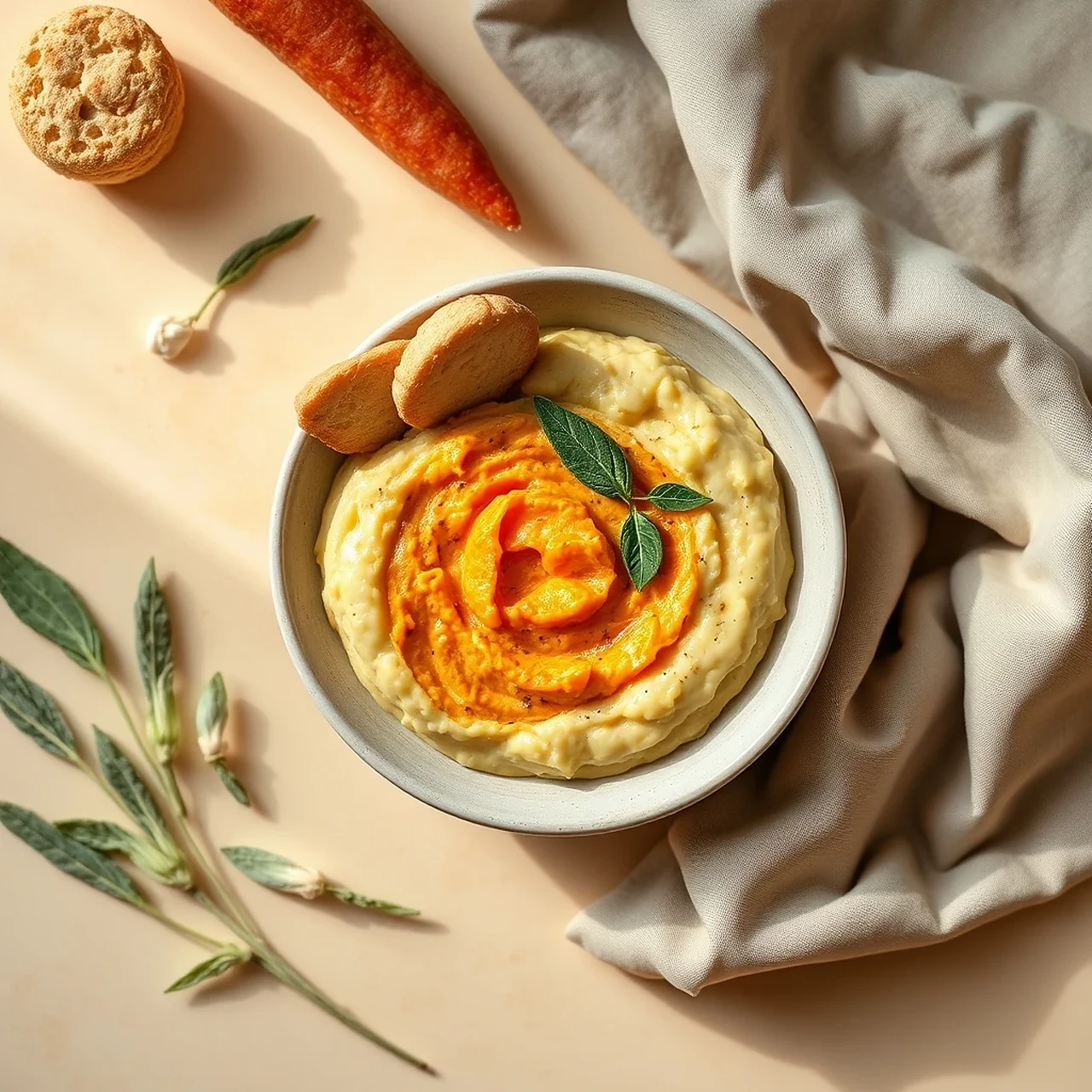
Make cucumber carrot mash for small pets with plain ingredients, simple steps, and careful pet feeding safety notes.
Safety first: Every pet is different: age, allergies, and health conditions all matter, so check with your vet when in doubt.
Foods to avoid
Do not add onion, garlic, chocolate, grapes, raisins, xylitol, alcohol, cooked bones, unsafe seasonings, or heavy salt. For rabbits and many small pets, keep sugary fruit tiny and keep hay or the regular staple diet as the foundation.
Ingredients
Instructions
Check the ingredients: Review every ingredient before starting. Use plain cucumber and plain leafy greens with no salt, seasoning, sauces, or sweeteners.
Prepare small pieces: Cut or mash the cucumber into pieces that match your pet's size and chewing style. Keep the texture soft and easy to portion.
Add the support ingredient: Fold in the leafy greens a little at a time so the mixture stays balanced and not too rich.
Adjust the texture: Add a small spoonful of water only if the mixture needs softening. The finished texture should be moist, simple, and easy to serve in a small amount.
Cool before serving: Let any cooked ingredient cool fully. Never serve hot food, and do not rush this step.
Serve a small test portion: Offer a small amount beside your pet's regular food. Watch appetite, stool, and comfort after the first serving.
Made this recipe?
Tap the paw so other pet parents know it’s worth making.
Be the first to make it
Tips & serving
Start with a very small amount and keep the regular diet stable. Watch for appetite changes, stool changes, itching, vomiting, or discomfort. Major diet changes should be discussed with a veterinarian.
- Uses a short list of plain ingredients
- Keeps portions easy to control
- Includes cooling and first-serving reminders
- Works as occasional recipe inspiration
Storage
Discard leftovers if smell, color, or texture changes. Do not leave prepared food out for long periods.
Substitutions
Use only plain pet-appropriate substitutions. Avoid rich sauces, seasoned broths, butter, salt, and spice blends. When unsure, skip the substitution and ask your veterinarian.
Small Pets recipe FAQ
Can I serve this snack every day?
Treat it as an occasional extra, not a meal plan. Start with a very small amount and keep the regular diet stable. Watch for appetite changes, stool changes, itching, vomiting, or discomfort. Major diet changes should be discussed with a veterinarian.
Can pets have cucumber?
This recipe uses cucumber in a small, pet-appropriate amount. Skip it if your pet has a known sensitivity, and read the foods-to-avoid note on this page before serving.
How do I store this snack?
Refrigerate leftovers in a covered container for up to 2 days. Discard leftovers if smell, color, or texture changes. Do not leave prepared food out for long periods.
What's the safest way to try this with my pet?
Offer a small amount beside regular food, introduce one new recipe at a time, and watch appetite, stool, skin, and behavior for a day or two.
Sources