

When the weather gets warm, a cool, hydrating treat can be just as welcome for pets as it is for us. These Frozen Melon & Fresh Herb Hydration Bites turn juicy summer melon and fragrant, pet-safe herbs into an easy frozen snack that adds a little extra moisture and natural goodness to your pet's day. They're simple to make with everyday kitchen equipment and feel like a special treat without being complicated. The sweet melon provides plenty of moisture, while the fresh herbs add beneficial nutrients, aroma and an interesting sensory experience. Even though the ingredients are wholesome, these bites are still treats, so offer them in moderation as part of a balanced diet. Before introducing any new food, especially if your pet has dietary sensitivities or health conditions, it's a good idea to discuss major diet changes with your veterinarian. That way, you can be sure the treats are appropriate for your individual pet's needs.
Safety first: Every dog is different: age, allergies, and health conditions all matter, so check with your vet when in doubt.
Foods to avoid
Never use melon rinds or seeds, as they can be difficult to digest or pose a choking risk. Avoid any herbs from the allium family (onions, chives, garlic), as these are toxic to pets. Do not add any sweeteners, artificial flavors, or dairy products. Overfeeding these treats can lead to digestive upset due to the natural sugar content in melon, especially for rabbits and small pets.
Ingredients
Instructions
Prepare the Melon: Wash the outside of your chosen melon carefully, then cut it in half and scoop out and discard all the seeds. Remove the rind completely, since it can be difficult for pets to digest and may pose a choking hazard, then dice the melon flesh into roughly 1-inch cubes for blending.
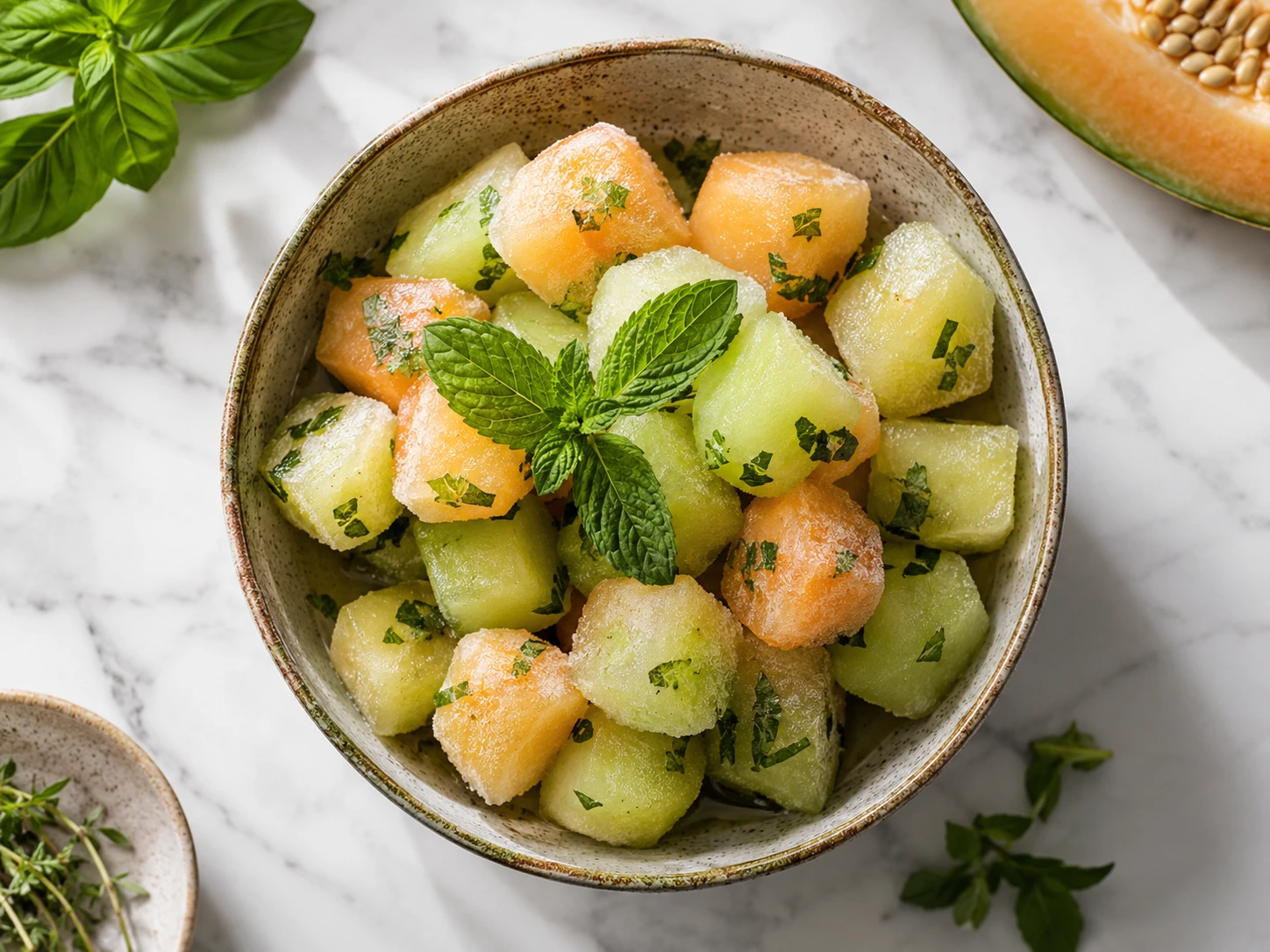
Prepare the Fresh Herbs: Wash the fresh mint and parsley thoroughly under cool running water, then gently pat them dry with a clean paper towel. Remove the leaves from the stems, which can be fibrous, and finely chop the leaves so the herbs blend in well and are easy for pets to consume.
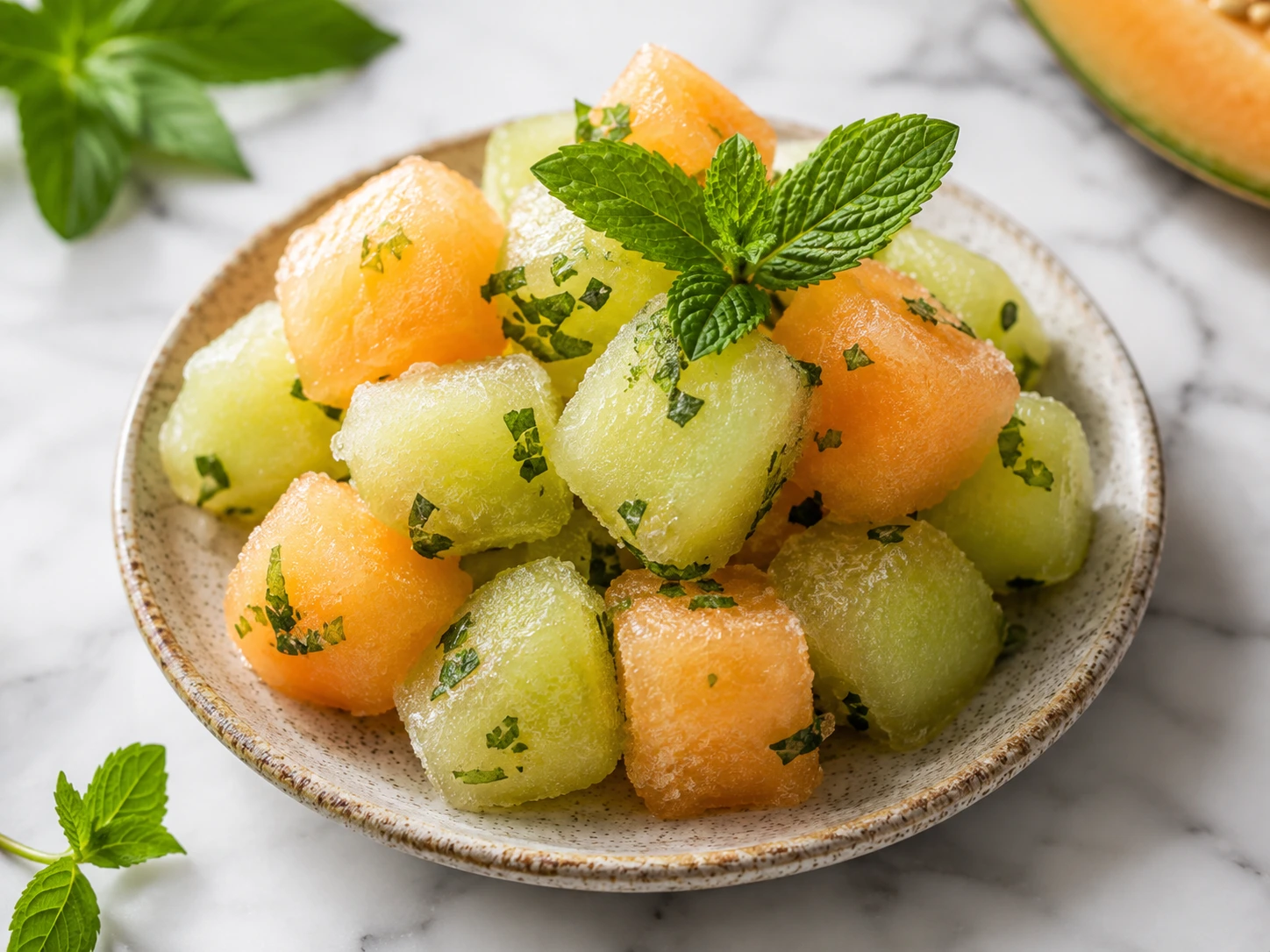
Blend Ingredients: Add the diced melon and finely chopped fresh herbs to a blender or food processor, then blend on high until completely smooth. The mixture should be a consistent, pourable liquid with no large pieces; if it is too thick, add a tiny splash of filtered water, although melon generally provides enough moisture on its own.
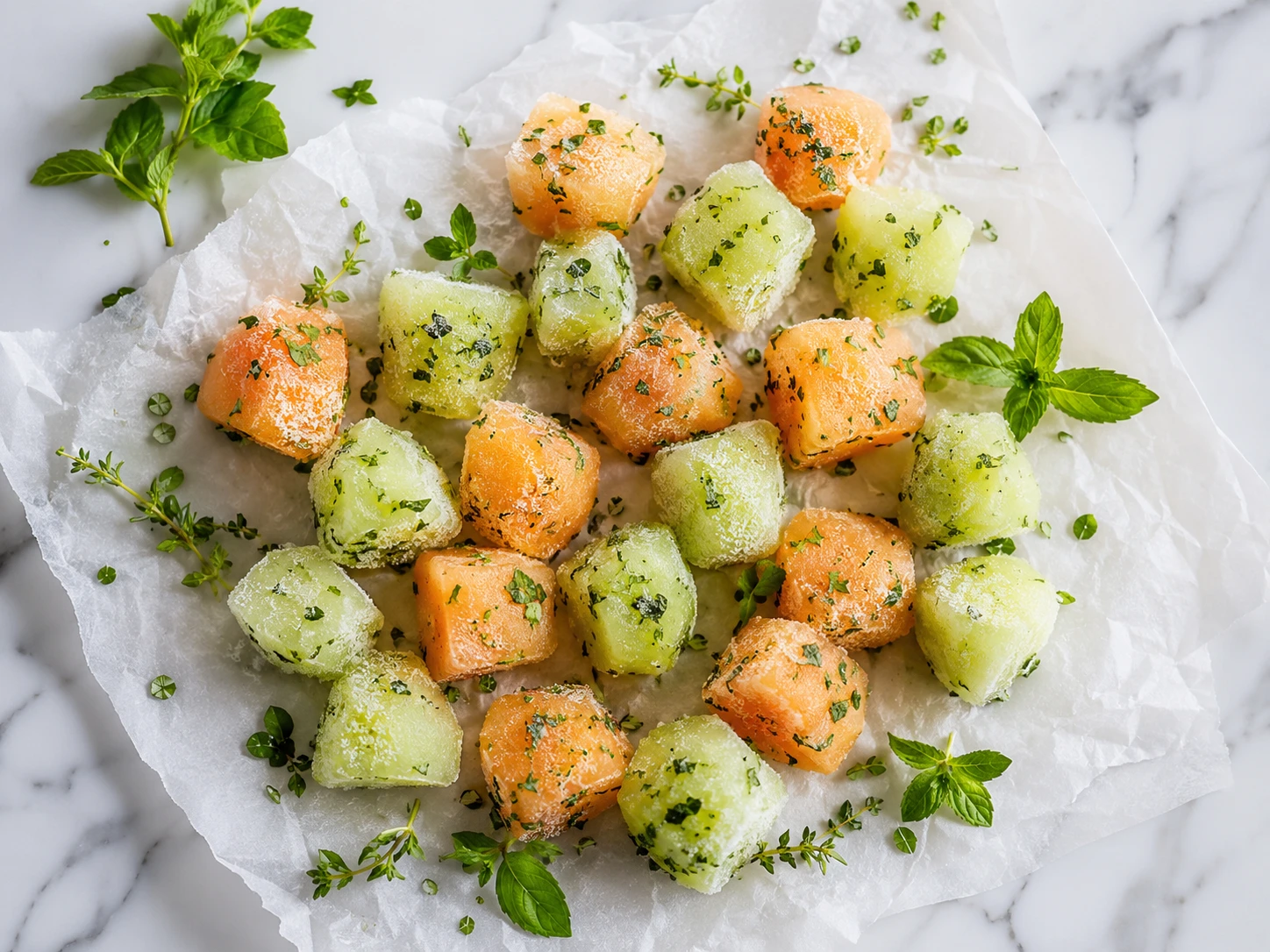
Pour into Molds: Carefully pour the blended melon and herb mixture into your chosen silicone treat molds, filling each cavity almost to the top. Leave a small amount of space for expansion during freezing; silicone molds are ideal because the frozen treats are easy to remove later without breakage.
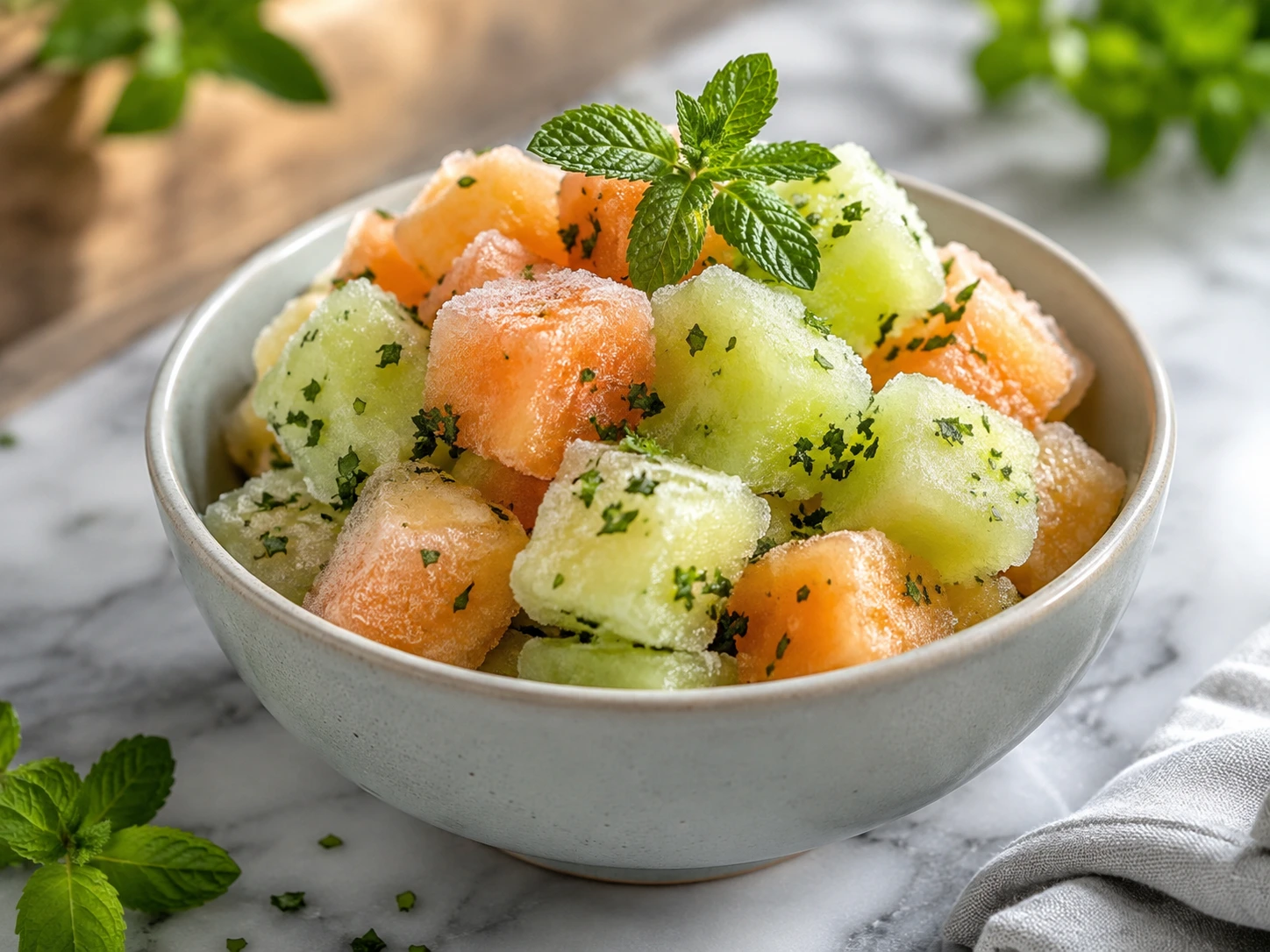
Freeze Until Solid: Once the molds are filled, carefully transfer the baking sheet with the molds to the freezer and place it on a flat, stable surface to prevent spills. Freeze the treats completely for 3 to 4 hours, depending on the size of your molds and the temperature of your freezer, until they are firm to the touch.
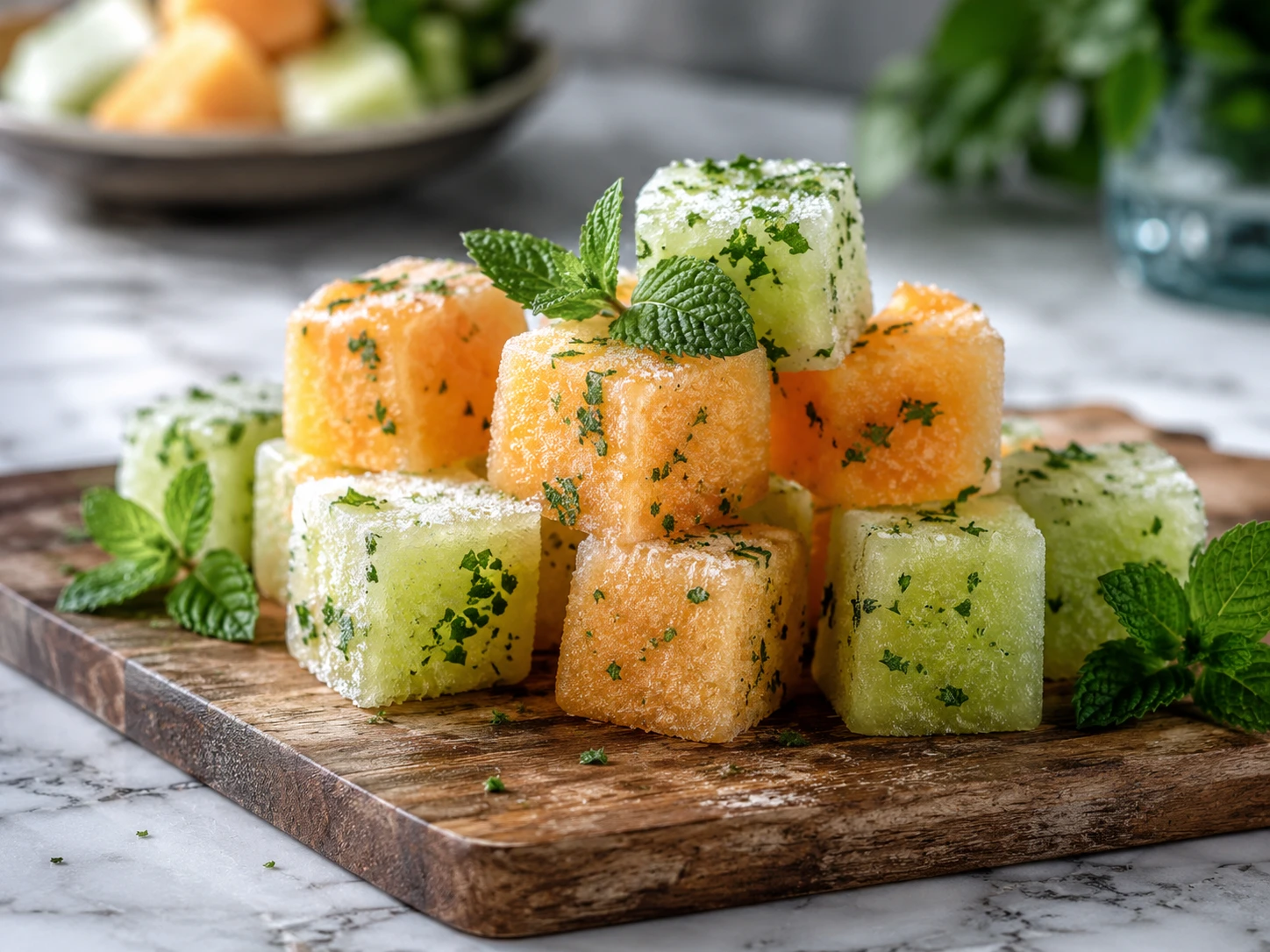
Remove and Store: When the treats are fully frozen, gently pop them out of the silicone molds; they should release easily. If any are stubborn, let the mold sit at room temperature for a minute or two to loosen slightly, then transfer the frozen bites to an airtight, freezer-safe container or bag for long-term storage.
Made this recipe?
Tap the paw so other pet parents know it’s worth making.
Be the first to make it
Tips & serving
These bites are intended as an occasional treat, not a meal replacement. For dogs, offer 1-2 bites per day, depending on size. For rabbits and small pets, offer a very small piece (e.g., half a bite) once or twice a week due to the sugar content in melon. Always supervise your pet when introducing new treats. Adjust portion sizes based on your pet's size, activity level, and overall diet. Introduce new treats slowly to monitor for any digestive upset. Consult your veterinarian for specific dietary advice, especially if your pet has existing health conditions.
- Excellent source of hydration, especially during warm weather.
- Provides natural vitamins and minerals from melon and herbs.
- Offers a refreshing and cooling sensation.
- Engaging enrichment for pets, encouraging licking and slow consumption.
- Easy to digest for most pets when offered in appropriate portions.
- If you don't have silicone molds, you can pour the mixture into an ice cube tray, or even spread it thinly on parchment paper and break it into pieces once frozen.
Storage
Store frozen treats in an airtight, freezer-safe container or bag.
Substitutions
For melon, you can use other pet-safe fruits like blueberries or strawberries (in moderation), ensuring they are pureed smooth. Instead of mint and parsley, a small amount of fresh dill or basil can be used, ensuring they are also finely chopped. Filtered water or unsweetened, plain coconut water can be added for extra hydration if the mixture is too thick, though melon typically provides enough liquid.
Dogs, Rabbits, Small Pets recipe FAQ
Can I serve this treat every day?
Treat it as an occasional extra, not a meal plan. These bites are intended as an occasional treat, not a meal replacement. For dogs, offer 1-2 bites per day, depending on size.
Can dogs have melon?
This recipe uses melon in a small, dog-appropriate amount. Skip it if your dog has a known sensitivity, and read the foods-to-avoid note on this page before serving.
How do I store this treat?
Store frozen treats in an airtight, freezer-safe container or bag. They can be kept in the freezer for up to 2-3 months.
What's the safest way to try this with my dog?
Offer a small amount beside regular food, introduce one new recipe at a time, and watch appetite, stool, skin, and behavior for a day or two.
Can I use watermelon instead of cantaloupe or honeydew?
Yes, watermelon is a safe and hydrating option for pets, provided all seeds and rind are removed. It might result in a slightly different color and consistency, but it works well.
Are these treats suitable for very young or very old pets?
For very young or very old pets, especially those with sensitive teeth or digestive systems, offer very small, thawed pieces rather than fully frozen. Always monitor their reaction and consult your vet.
Sources