

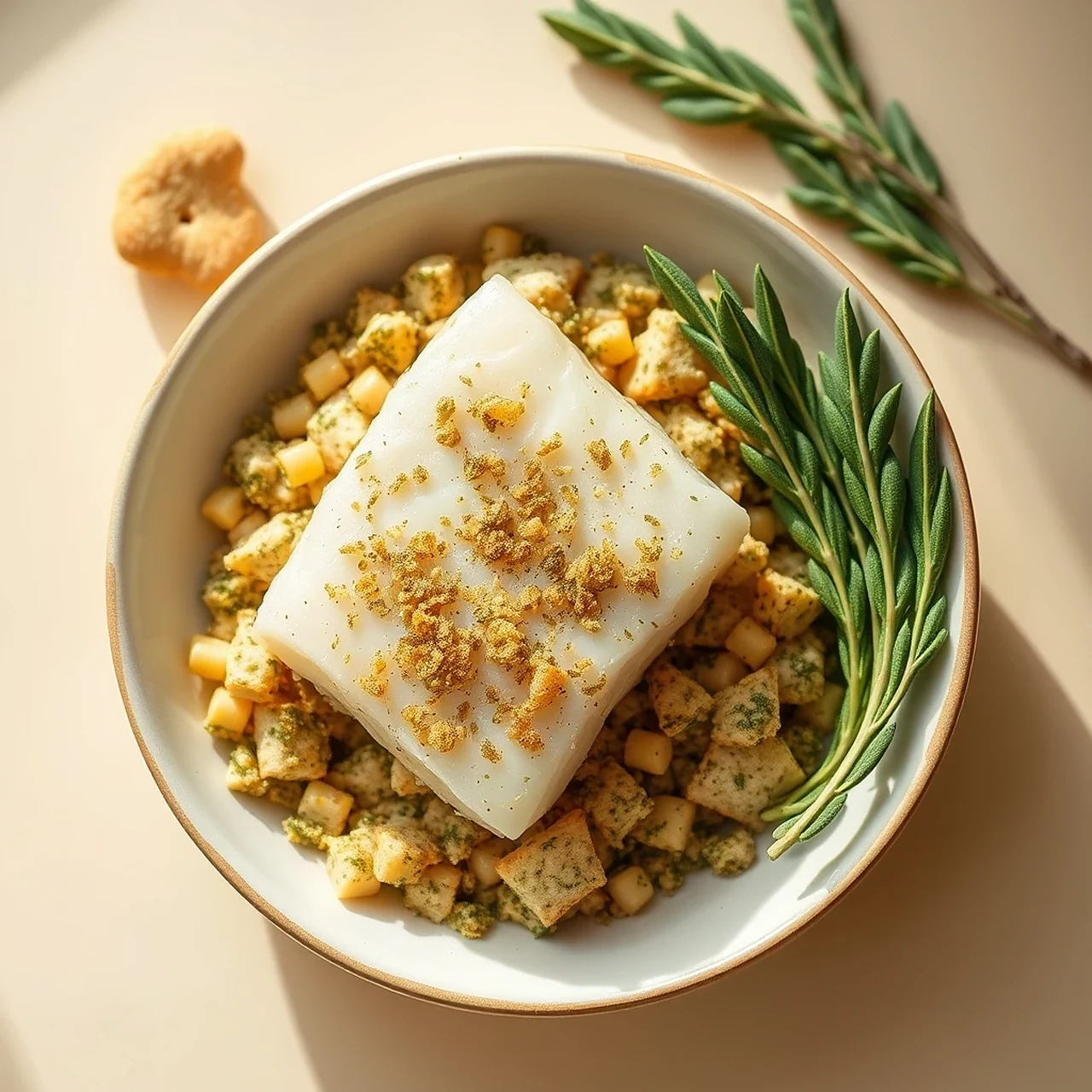
Adding variety and nutrient boosts to your pet's regular diet can be a rewarding experience for both of you. This Cod & Kelp Meal Nutrient Boost Topper is designed to be a simple, yet impactful addition, transforming an ordinary meal into something special. It leverages the lean protein of cod and the concentrated minerals found in kelp meal, offering a wholesome supplement. Preparing homemade toppers allows you to control the quality of ingredients and avoid unwanted additives. We focus on natural components that are safe and beneficial for most dogs and cats. The texture is customizable, from a chunky flake to a fine crumble, making it adaptable for various preferences. Before making any significant changes to your pet's diet, especially if they have pre-existing health conditions or sensitivities, it is always wise to consult with your veterinarian. They can offer personalized advice to ensure this topper is appropriate for your individual pet's needs.
Safety first: Keep treats and extras under about 10% of your dog's daily food - the regular diet should do the heavy lifting.
Foods to avoid
Never feed raw fish to your pets due to potential parasites and thiaminase. Ensure all fish is thoroughly cooked. Always use food-grade kelp meal specifically formulated for pets, as human supplements may contain ingredients not suitable for animals or be too concentrated. Do not exceed the recommended amount of kelp meal due to its high iodine content. Avoid adding salt, seasonings, or oils that are not pet-safe.
Ingredients
Instructions
Prepare the Cod: Gently steam or bake the boneless, skinless cod fillet until it is opaque and flakes easily with a fork. This usually takes about 10-15 minutes, depending on thickness. Steaming helps retain moisture, while baking at 350°F (175°C) for 12-15 minutes also works well. Ensure the cod is thoroughly cooked t
Flake the Cod: Once cooled, transfer the cooked cod to a clean bowl. Use a fork to gently flake the cod into small, bite-sized pieces. Remove any remaining bones or skin if present, though boneless, skinless fillets should minimize this. Aim for a texture that your pet can easily chew and digest.
Measure Kelp Meal: Carefully measure out 1/2 teaspoon of food-grade kelp meal. It is crucial to use kelp meal specifically sold for pet consumption and to adhere to the recommended small dosage, as kelp is potent. Too much kelp can be harmful due to its high iodine content.
Combine Ingredients: Add the measured kelp meal to the bowl with the flaked cod. Use a spoon or your fingers to gently combine the ingredients, ensuring the kelp meal is evenly distributed throughout the cod flakes. The goal is a uniform mix, not a paste.
Adjust Texture (Optional): For a finer, more powdery texture, transfer the combined cod and kelp meal to a food processor or small blender. Pulse a few times until the desired consistency is achieved. If the mixture seems too dry or crumbly for blending, you may add 1-2 tablespoons of purified water to help it come tog
Portion and Store: Once prepared, portion the topper into small, airtight containers suitable for daily use. This allows for easy serving and maintains freshness. Clearly label the containers with the contents and date of preparation.
Made this recipe?
Tap the paw so other pet parents know it’s worth making.
Be the first to make it
Tips & serving
This topper is intended as a supplement, not a complete meal replacement. For dogs, start with 1-2 teaspoons per meal, gradually increasing to 1-2 tablespoons for larger dogs, depending on their size and dietary needs. For cats, start with 1/2 teaspoon per meal. Mix thoroughly with their regular food. Always introduce new foods slowly to monitor for any digestive upset. Adjust serving size based on your pet's individual caloric needs and activity level. Always ensure fresh water is available.
- Provides lean, easily digestible protein from cod
- Offers a natural source of essential trace minerals from kelp
- Adds a savory, appealing flavor to enhance mealtime
- Supports healthy skin and coat due to omega fatty acids in cod and minerals in kelp
- Contributes to digestive health with natural fiber found in kelp
- For very picky eaters, start by offering a tiny amount of the topper mixed with a favorite treat or a small portion of their regular food to encourage acceptance.
Storage
Thaw in the refrigerator before serving.
Substitutions
- Cod
Other lean, white fish like pollock, haddock, or tilapia can be used. Ensure they are boneless, skinless, and thoroughly cooked.
- Meal
If kelp meal is unavailable or your pet has a specific sensitivity, a small amount of spirulina powder (a pinch) could offer some mineral benefits, but consult your vet for appropriate alternatives and dosages.
Dogs, Cats recipe FAQ
Is this topper a complete meal for my dog?
Treat it as an occasional extra, not a meal plan. This topper is intended as a supplement, not a complete meal replacement. For dogs, start with 1-2 teaspoons per meal, gradually increasing to 1-2 tablespoons for larger dogs, depending on their size and dietary needs.
Is cod okay for dogs?
This recipe uses cod in a small, dog-appropriate amount. Skip it if your dog has a known sensitivity, and read the foods-to-avoid note on this page before serving.
How long does Cod & Kelp Meal Nutrient Boost Topper keep?
**Refrigerator:** Store in an airtight container for up to 3-4 days. **Freezer:** For longer storage, freeze individual portions in ice cube trays or small freezer-safe bags for up to 1 month. Thaw in the refrigerator before serving.
How should I introduce this topper?
Start with a taste-size portion next to your dog's usual food, and hold off on serving more until you have seen that it agrees with them.
Can I use canned cod?
It is best to use fresh or frozen cod that you cook yourself. Canned cod often contains high levels of sodium or other preservatives that are not ideal for pets. If you must use canned, choose varieties packed in water with no added salt and rinse thoroughly before use.
Is kelp meal safe for all pets?
While generally safe in small, appropriate doses for most healthy pets, kelp meal is high in iodine. Pets with thyroid conditions or those on certain medications should not consume kelp without veterinary approval. Always consult your vet if you have concerns.
Sources