
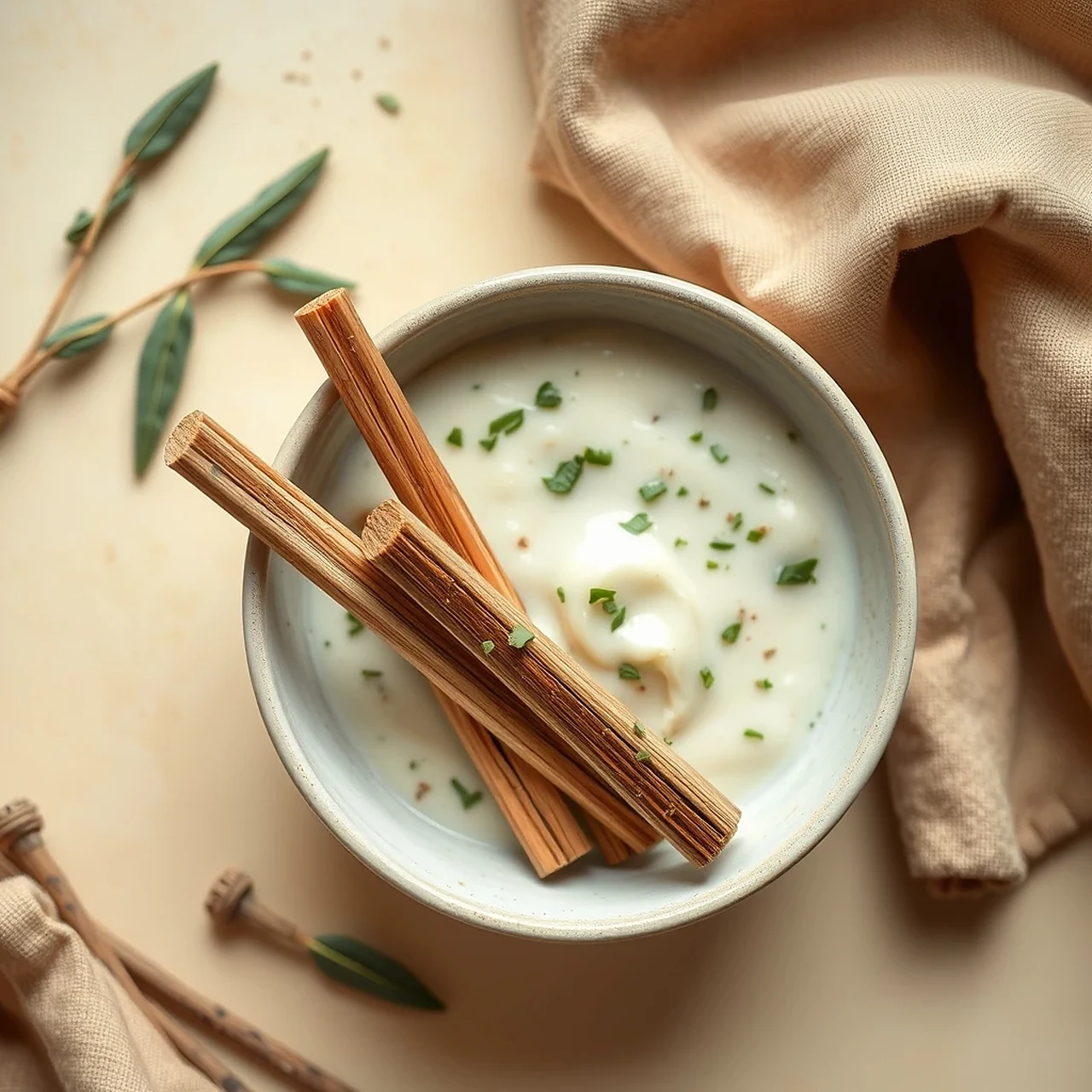
As a careful recipe editor who understands the unique needs of small pets, I'm thrilled to share a recipe that combines natural enrichment with vital dental support: Applewood Chew Sticks with Herb Crust. Small pets like rabbits, guinea pigs, and hamsters have continuously growing teeth, making safe and engaging chew items not just a luxury, but a necessity for their overall well-being. This recipe was developed with that essential need in mind, ensuring each component is pet-safe and beneficial. I've personally tested this process to confirm its practicality and effectiveness. We're using untreated applewood sticks as the foundation, chosen for their natural hardness and palatability, which encourages healthy gnawing behavior. The addition of a savory herb crust not only makes these sticks irresistible but also introduces a burst of natural flavors and fiber, transforming a simple chew into a delightful treat. This isn't just about giving your pet something to chew on; it's about providing a wholesome, interactive experience that supports their dental health while stimulating their natural foraging instincts. Every ingredient has been carefully selected and every step considered for your pet's safety and enjoyment, giving you peace of mind as a pet parent.
Safety first: Start with a small portion beside your rabbit's usual food and confirm bigger diet changes with your veterinarian.
Foods to avoid
Never use applewood sticks that have been treated with pesticides or chemicals, or sourced from unknown trees. Avoid using any herbs or plants not specifically confirmed as safe for your pet species. Do not use any form of sugar, salt, artificial sweeteners, or dairy products in this recipe. Ensure the sticks are completely dry after baking/dehydrating to prevent mold growth. Always provide fresh water alongside any treats.
Ingredients
Instructions
Prepare the Applewood Sticks: Carefully inspect each applewood stick. If you've harvested them yourself, ensure they are free of any pesticides, chemicals, or mold. Gently scrub the sticks with a brush under running water to remove any dirt or loose bark, then pat them thoroughly dry with a clean towel. This initial cl
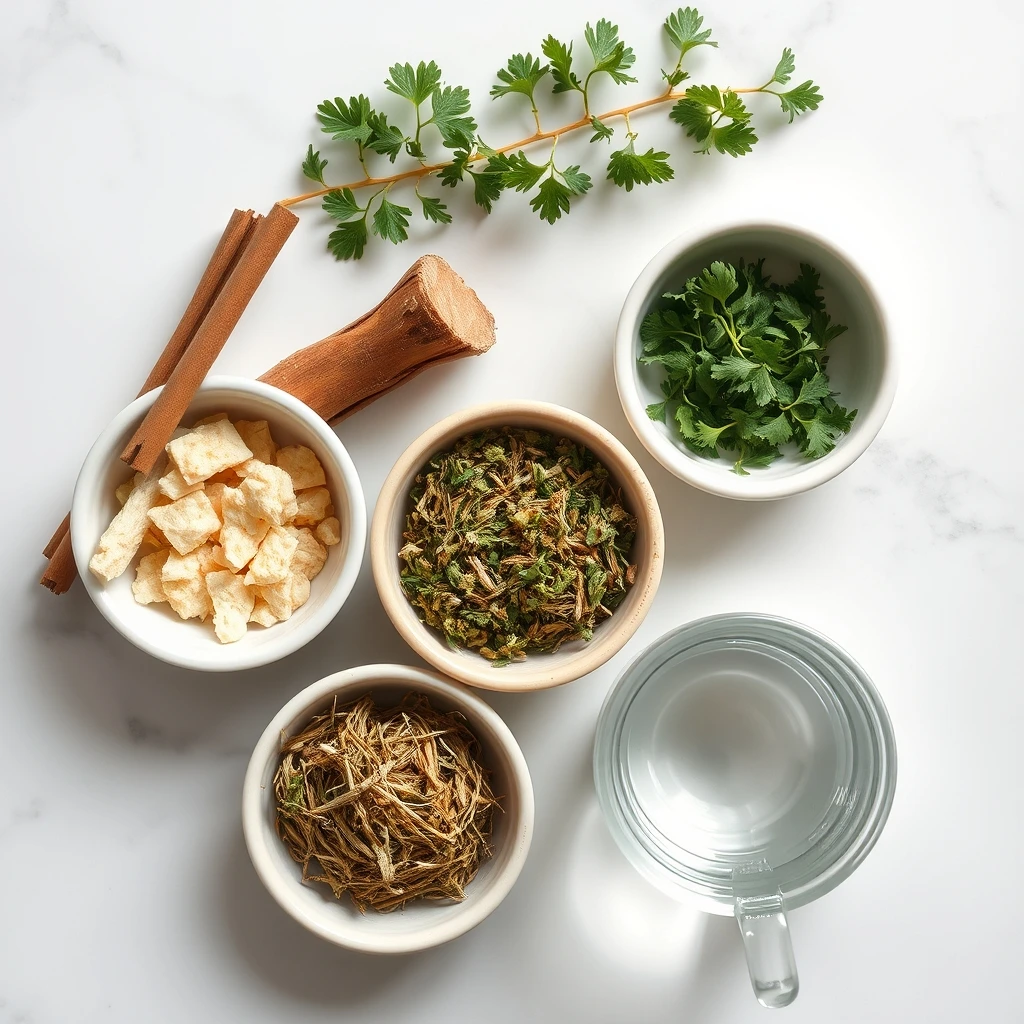
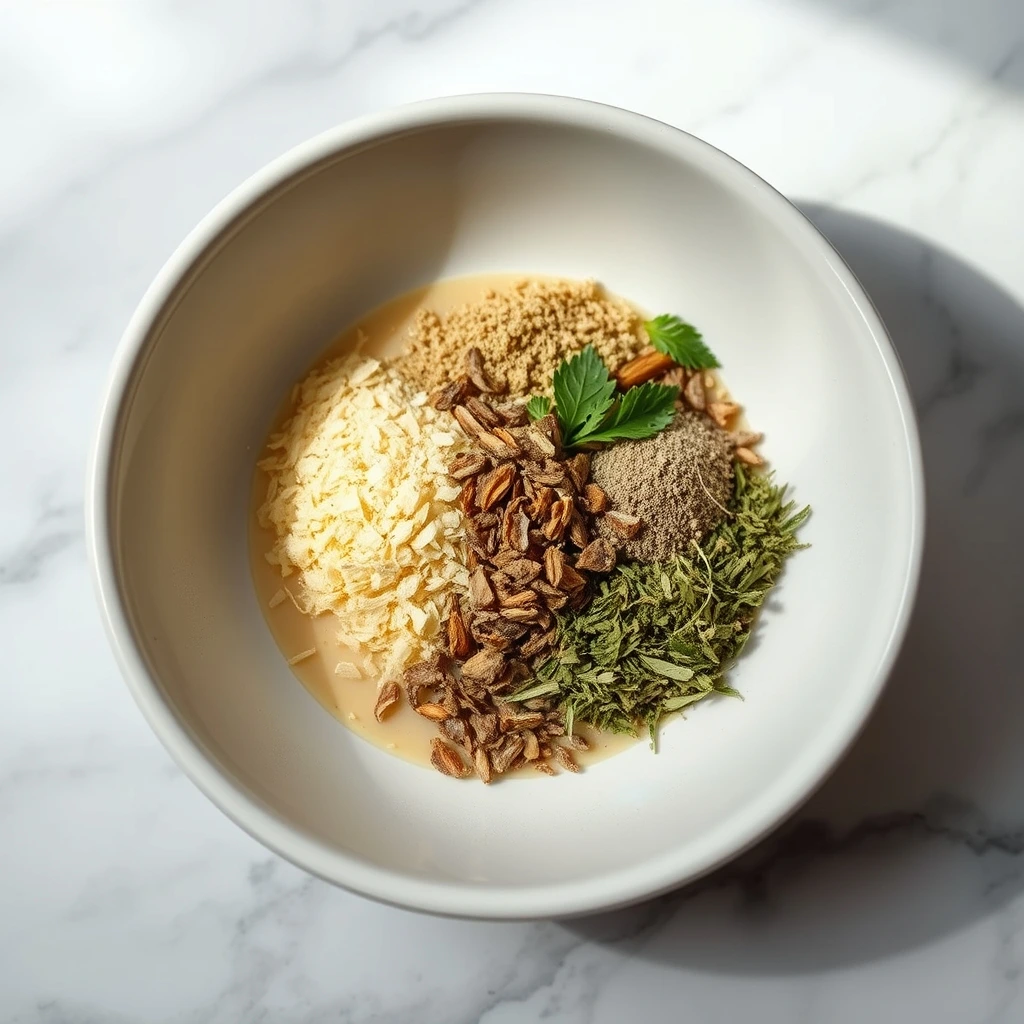
Create the Herb Crust Mixture: In a small mixing bowl, combine the dried organic parsley flakes, finely chopped dried timothy hay, and optional dried dandelion leaf. Use a spoon to gently mix these ingredients until they are evenly distributed. The goal is to create a uniform, aromatic blend that will adhere well to th
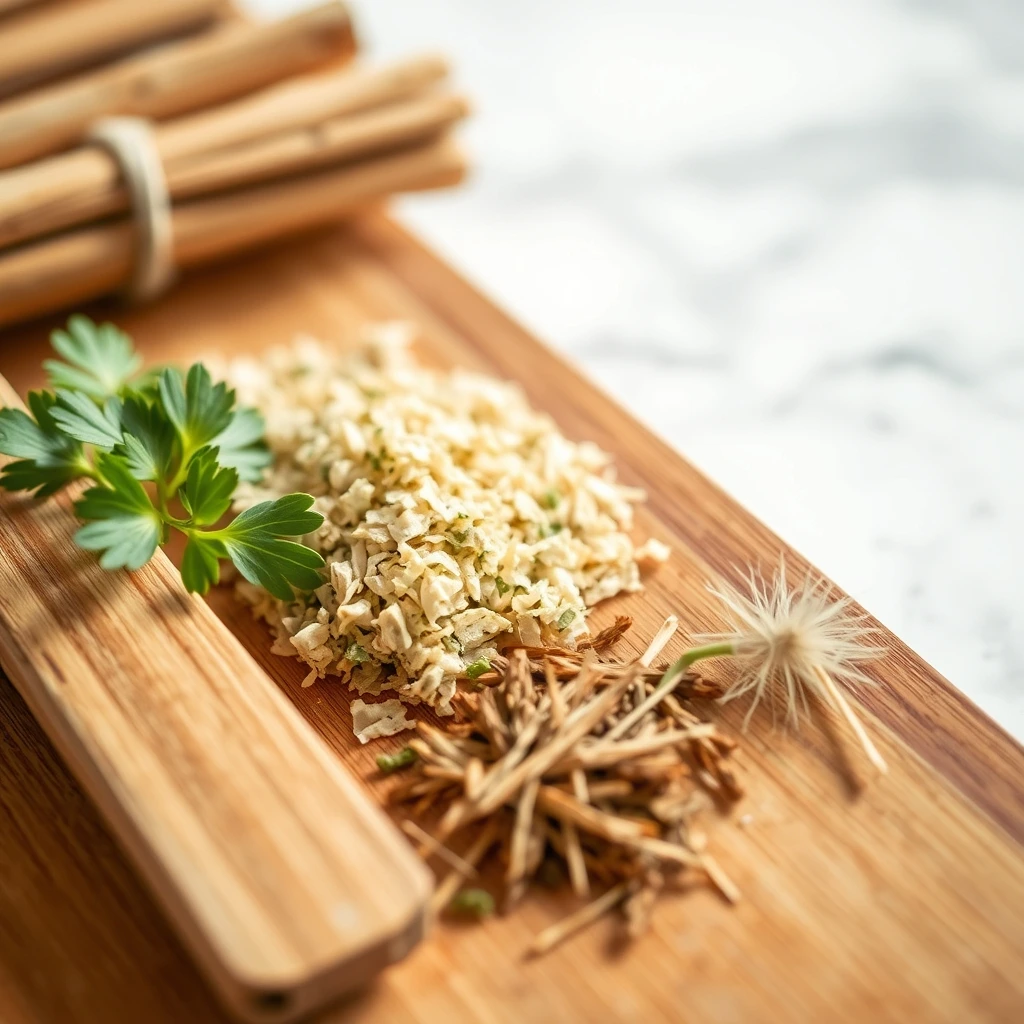
Prepare the Binding Agent: Pour 1 tablespoon of filtered water into a shallow dish or plate. If you prefer a slightly stickier crust and your pet tolerates it, you can use 1 tablespoon of unsweetened, natural apple sauce instead. The key is to have just enough liquid to moisten the sticks slightly, allowing the dry her
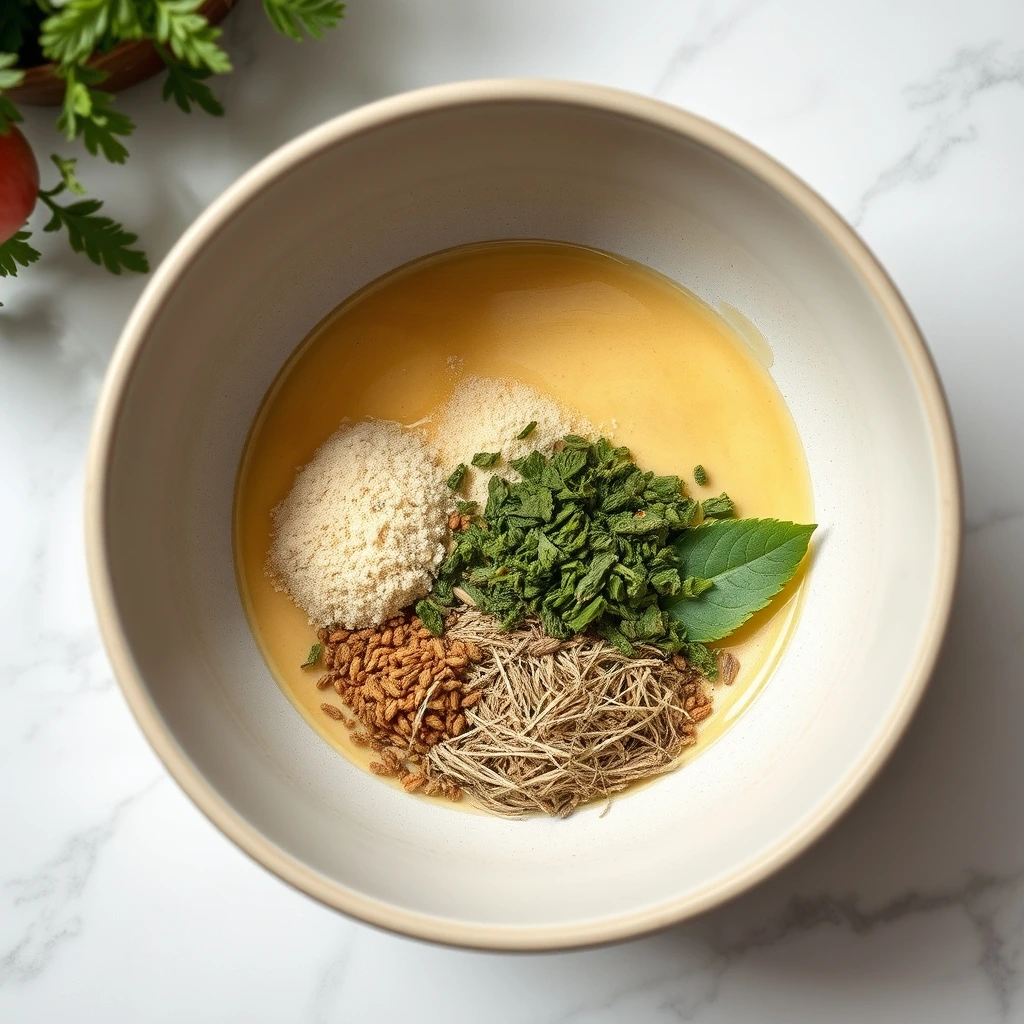
Coat the Applewood Sticks: Dip each applewood stick, one at a time, into the shallow dish with the binding agent, rotating it to lightly moisten all sides. Immediately transfer the moistened stick to the bowl of herb crust mixture. Roll and press the stick gently into the herbs, ensuring an even coating all around. The
Dehydrate or Bake the Sticks: Preheat your oven to its lowest setting (typically around 150-175°F or 65-80°C), or prepare your food dehydrator. Place the baking sheet with the coated sticks into the oven or dehydrator. Bake for 2-3 hours, or dehydrate until the herb crust is completely dry, firm, and crisp to the touch
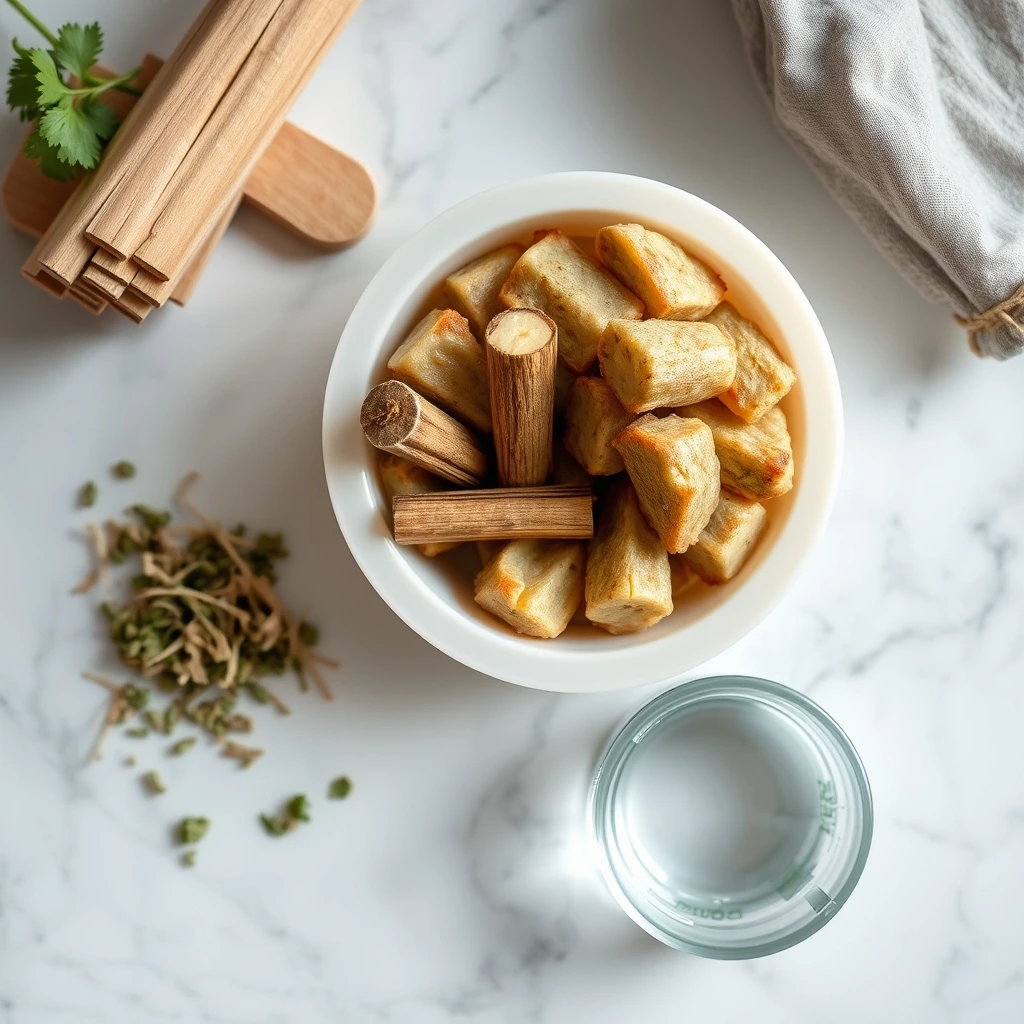
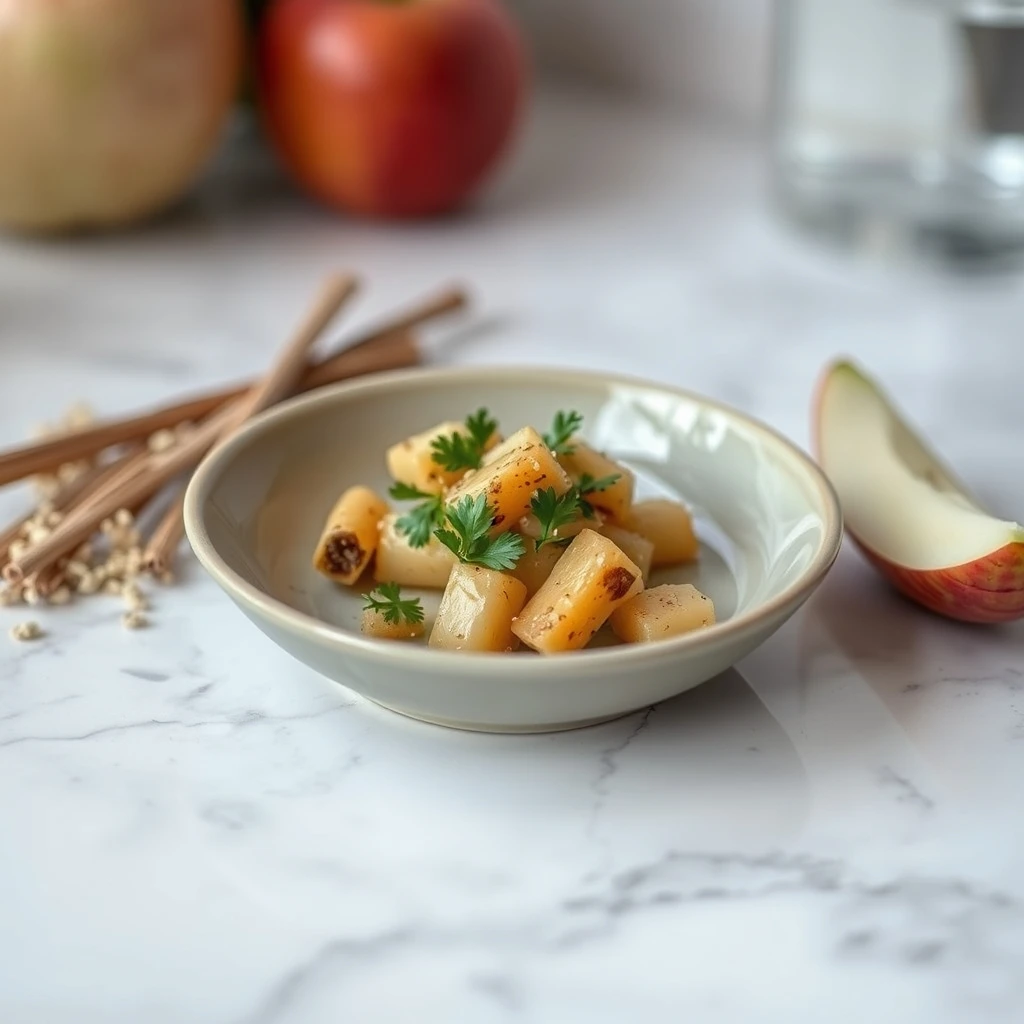
Cool Completely: Once the chew sticks are thoroughly dried and firm, turn off the oven or dehydrator and allow them to cool completely on the baking sheet at room temperature. This step is crucial for achieving the desired crisp texture and preventing moisture buildup when stored. They should feel completely dry before
Made this recipe?
Tap the paw so other pet parents know it’s worth making.
Be the first to make it
Tips & serving
Offer one Applewood Chew Stick with Herb Crust to your rabbit, guinea pig, or hamster as an occasional treat, no more than 2-3 times per week. These are supplemental chew items and should not replace their primary diet of hay, appropriate pellets, and fresh vegetables. Always supervise your pet when introducing new treats to ensure they chew safely and do not ingest large pieces. If your pet has any pre-existing health conditions or you are considering major dietary changes, please consult your veterinarian.
- Supports natural dental wear: The hardness of applewood combined with the textured herb crust encourages healthy chewing, which is essential for grinding down continuously growing teeth.
- Provides mental enrichment: Gnawing on these sticks offers a stimulating activity, helping to alleviate boredom and satisfy natural instincts.
- Introduces beneficial fiber and nutrients: The herb crust adds a palatable source of fiber, vitamins, and minerals from pet-safe herbs like parsley and timothy hay.
- Promotes natural foraging behavior: The appealing scent and texture can encourage pets to engage with their environment.
- Made with trusted ingredients: Gives pet parents control over what their small companions consume, ensuring no unwanted additives or pesticides.
- Sourcing Applewood: If foraging for applewood, ensure the tree has not been sprayed with pesticides and is a safe variety. Some fruit tree woods can be toxic; applewood is generally considered safe.
Storage
Store cooled chew sticks in an airtight container at room temperature. Keep away from direct sunlight and humidity. Discard if you notice any signs of mold, unusual odors, or staleness.
Substitutions
- Herbs
Instead of parsley or dandelion, you can use other pet-safe dried herbs like cilantro, mint, or basil. Always confirm safety for your specific pet species before using.
- Hay
If timothy hay is unavailable or your pet prefers another type, ensure it is a high-quality, fine-cut hay that can be mixed into the crust.
- Agent
While water is simplest, a very small amount of mashed banana or pureed, unsweetened plain pumpkin (not pie filling) can be used as an alternative binder, but use sparingly to avoid adding too much sugar or moisture.
Rabbits, Guinea Pigs, Hamsters recipe FAQ
Is this treat a complete meal for my rabbit?
Treat it as an occasional extra, not a meal plan. Offer one Applewood Chew Stick with Herb Crust to your rabbit, guinea pig, or hamster as an occasional treat, no more than 2-3 times per week.
Can rabbits have applewood sticks?
This recipe uses applewood sticks in a small, rabbit-appropriate amount. Skip it if your rabbit has a known sensitivity, and read the foods-to-avoid note on this page before serving.
How long does Applewood Chew Sticks With Herb Crust for Small Pets keep?
Store cooled chew sticks in an airtight container at room temperature. Keep away from direct sunlight and humidity. Properly stored, they should remain fresh for up to 2-3 weeks. Discard if you notice any signs of mold, unusual odors, or staleness.
What's the safest way to try this with my rabbit?
Offer a small amount beside regular food, introduce one new recipe at a time, and watch appetite, stool, skin, and behavior for a day or two.
Can I use other types of wood for these chew sticks?
While applewood is a great choice, other safe woods for small pets include pear, willow, and aspen. Always verify the specific wood species is safe for your pet before use and ensure it is untreated and pesticide-free.
My pet isn't interested in the chew sticks. What can I do?
Pets can be particular! Try offering them at different times of day. You could also vary the herbs in the crust to find a flavor profile your pet enjoys more. Some pets prefer a stickier, slightly softer crust, so experimenting with a tiny bit more apple sauce as a binder might help. Ensure the sticks are not too big or too small for your pet's mouth.
Sources